THE ADVENTURE COLLECTIVE® · Independent discovery and booking for outdoor travel

Turn surf technique into skill on pavement: two-hour private surfskate lessons in Fuerteventura focus on stance, carving and water-transfer drills. Ideal for surfers and beginners wanting to maintain progression when the ocean isn’t cooperating.
Turn surf technique into skill on pavement: two-hour private surfskate lessons in Fuerteventura focus on stance, carving and water-transfer drills. Ideal for surfers and beginners wanting to maintain progression when the ocean isn’t cooperating.
The lesson begins on warm concrete under an Atlantic sky: wheels whisper, instructors watch posture, and the coastal breeze nudges each turn. In a small plaza or promenade a short walk from beach sand, surfskating translates ocean technique into land movement—pumping, carving and weight shifts practiced where the surf can’t swallow your mistakes.
Verified experiences and guided adventures in the surrounding area.
Operated by Hi Surf Coaching · Corralejo, Las Palmas
The lesson begins on warm concrete under an Atlantic sky: wheels whisper, instructors watch posture, and the coastal breeze nudges each turn. In a small plaza or promenade a short walk from beach sand, surfskating translates ocean technique into land movement—pumping, carving and weight shifts practiced where the surf can’t swallow your mistakes.
Fuerteventura’s landscape is volcanic and exposed; wind and waves have shaped local sport culture for decades. Locals adapted board sports to streets and promenades when swell or wind made the ocean less forgiving—surfskate emerged as a practical bridge between skate and surf technique. Expect an emphasis on stance, foot placement, carving rhythm and progressive drills designed by instructors who teach water-to-land transfer.
Practical details are straightforward: lessons run about two hours, are private, and include board and protective gear. All levels are welcome, though moderate fitness and basic balance speed progression. Instructors will take you through warm-ups, basic pushes and carving, then into turn mechanics and advanced maneuvers if you’re ready. Pay attention to footwear—flat-soled sneakers improve board feel—and schedule morning or late-afternoon sessions to avoid peak sun and gusts that can push or unsettle your lines.
This is training: repeatable technique you can take back to surf sessions. Bring water, sunscreen, closed-toe shoes and a readiness to iterate—each roll is practice for the next wave. Respect pedestrian spaces, listen to instructors, and let the wind dare you to push one more cut.
moderate.
2 hours.
Moderate fitness and basic balance; suitable for beginners through advanced surfers wanting land practice.
No—lessons accept all levels; instructors scale drills from basic balance to advanced carving and surf-transfer techniques.
Yes—boards and standard protective gear are typically included in the lesson price.
Lessons may be canceled in bad weather; full refunds are generally available if canceled at least 24 hours before the session.
Absolutely—surfskating focuses on stance, weight shifts and turn mechanics that translate directly to improved performance in the water.
Fuerteventura’s exposed volcanic terrain and strong Atlantic winds shaped a practical board culture; land-based training grew where surf or wind limited time in the water.
Avoid skating on dune protections and pedestrian-only boardwalks; keep sessions on permitted paved areas and carry out all waste to protect fragile coastal ecosystems.
Hi Surf Coaching operates guided outdoor trips and adventures with an emphasis on safety, stewardship, and memorable experiences.
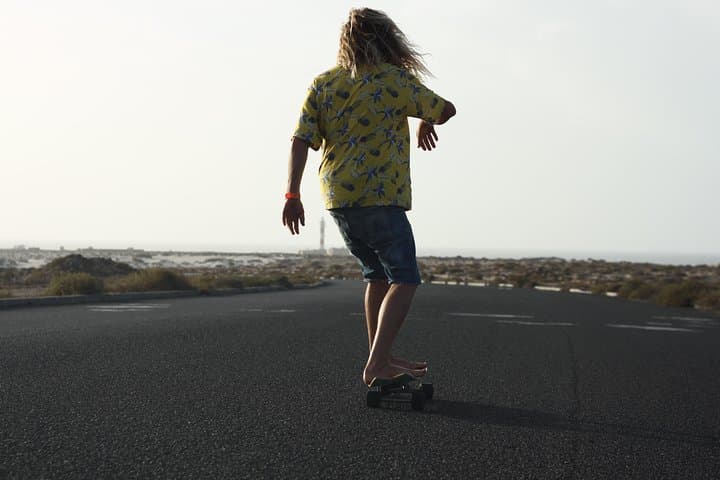
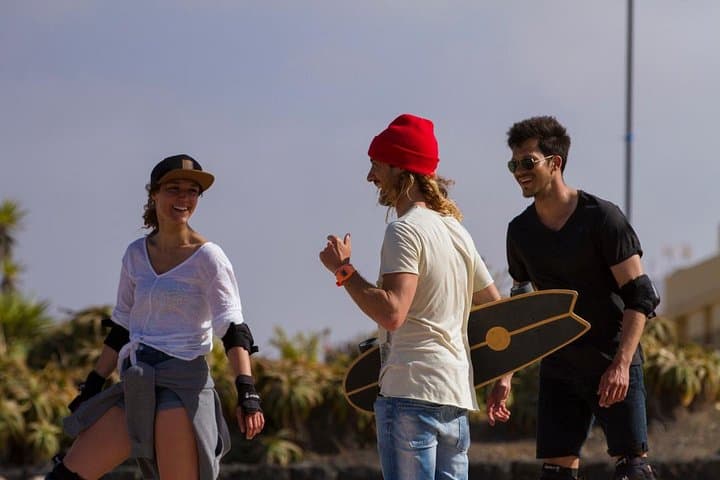
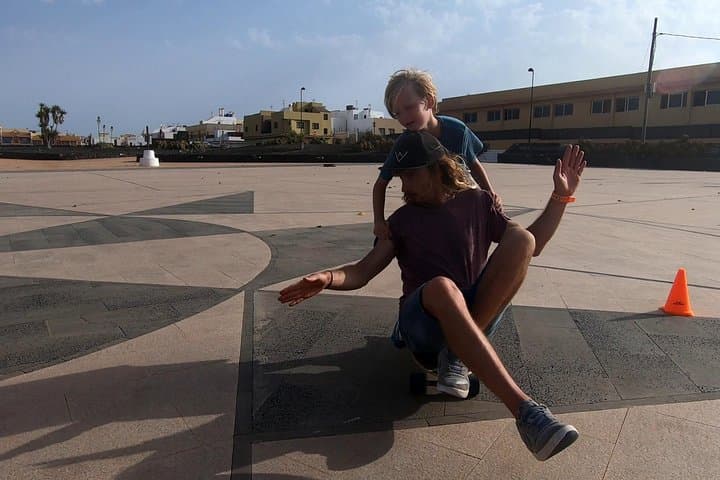
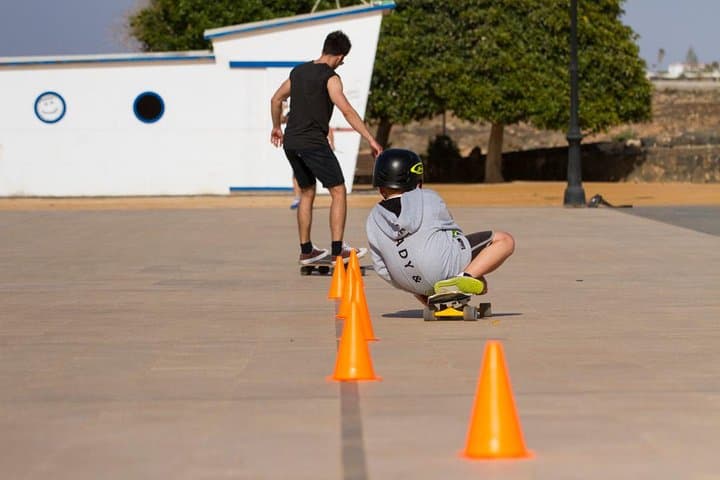
The lesson begins on warm concrete under an Atlantic sky: wheels whisper, instructors watch posture, and the coastal breeze nudges each turn. In a small plaza or promenade a short walk from beach sand, surfskating translates ocean technique into land movement—pumping, carving and weight shifts practiced where the surf can’t swallow your mistakes.
The lesson begins on warm concrete under an Atlantic sky: wheels whisper, instructors watch posture, and the coastal breeze nudges each turn. In a small plaza or promenade a short walk from beach sand, surfskating translates ocean technique into land movement—pumping, carving and weight shifts practiced where the surf can’t swallow your mistakes.
Fuerteventura’s landscape is volcanic and exposed; wind and waves have shaped local sport culture for decades. Locals adapted board sports to streets and promenades when swell or wind made the ocean less forgiving—surfskate emerged as a practical bridge between skate and surf technique. Expect an emphasis on stance, foot placement, carving rhythm and progressive drills designed by instructors who teach water-to-land transfer.
Practical details are straightforward: lessons run about two hours, are private, and include board and protective gear. All levels are welcome, though moderate fitness and basic balance speed progression. Instructors will take you through warm-ups, basic pushes and carving, then into turn mechanics and advanced maneuvers if you’re ready. Pay attention to footwear—flat-soled sneakers improve board feel—and schedule morning or late-afternoon sessions to avoid peak sun and gusts that can push or unsettle your lines.
This is training: repeatable technique you can take back to surf sessions. Bring water, sunscreen, closed-toe shoes and a readiness to iterate—each roll is practice for the next wave. Respect pedestrian spaces, listen to instructors, and let the wind dare you to push one more cut.