THE ADVENTURE COLLECTIVE® · Independent discovery and booking for outdoor travel

Paddle out at J‑Bay where long, fast waves and focused surf culture create picture‑perfect moments. This two‑ to three‑hour surf photoshoot pairs local knowledge with in‑water shooting so you leave with full‑res images of your best rides.
Paddle out at J‑Bay where long, fast waves and focused surf culture create picture‑perfect moments. This two‑ to three‑hour surf photoshoot pairs local knowledge with in‑water shooting so you leave with full‑res images of your best rides.
Morning light breaks over the Indian Ocean and the lineup at Jeffreys Bay reads like a map of intent — long, raked shoulders of water pushing riders down Supertubes while the camera paddles close to record the arc of spray. A surf photoshoot here means working the local rhythm: choosing the right break, timing sets, and staying mobile to catch the decisive drop or carve.
Verified experiences and guided adventures in the surrounding area.
Operated by Phil Craig · Jeffreys Bay, Eastern Cape
Morning light breaks over the Indian Ocean and the lineup at Jeffreys Bay reads like a map of intent — long, raked shoulders of water pushing riders down Supertubes while the camera paddles close to record the arc of spray. A surf photoshoot here means working the local rhythm: choosing the right break, timing sets, and staying mobile to catch the decisive drop or carve.
Jeffreys Bay grew from a quiet fishing settlement into a global surf hub, its coastline carved from beaches and rocky points that focus southeast swells into long, fast rides. The town’s surf culture is practical and performance‑oriented; local shacks, surf schools, and the annual competition scene shape how sessions run and where photographers position themselves.
Expect an on‑water, 2–3 hour session that blends coaching with shooting. The photographer scouts conditions with you, picks the safest angle, and captures surfers from the line‑up and inside the wave when feasible. The ocean here can be playful or insistently powerful; currents and sudden wind shifts will test timing and fitness.
Practical guidance: arrive with a waxed board and a snug wetsuit for cooler months, hydrate before paddling out, and communicate skill level clearly so the shoot matches your comfort zone. Plan for changing light — early morning and late afternoon give the most flattering photos — and bring a towel and warm layer for post‑session cooling down. You’ll leave with full‑res images and a clearer sense of how J‑Bay’s waves frame a great surf photo.
moderate.
2–3 hours.
Moderate paddling endurance and basic surfing ability; should be comfortable in shoulder‑to‑head high waves.
No — photographers work with different skill levels, but you should be comfortable paddling out and catching waves; communicate your level when booking.
You receive full‑resolution digital images from the session; confirm turnaround time with the photographer.
The photographer will meet you at a mutually agreed beach access point in Jeffreys Bay; pickup is sometimes available as an optional add‑on.
Sessions may be canceled or rescheduled for poor conditions; operators typically require 24‑hour cancellation for full refund if they cancel due to weather.
Originally a fishing village, Jeffreys Bay’s global reputation grew with competitive surfing in the late 20th century, transforming local culture around surf craft and hospitality.
Local groups run beach cleanups and there’s growing emphasis on dune protection and responsible parking to minimize erosion and habitat disturbance.
Phil Craig operates guided outdoor trips and adventures with an emphasis on safety, stewardship, and memorable experiences.
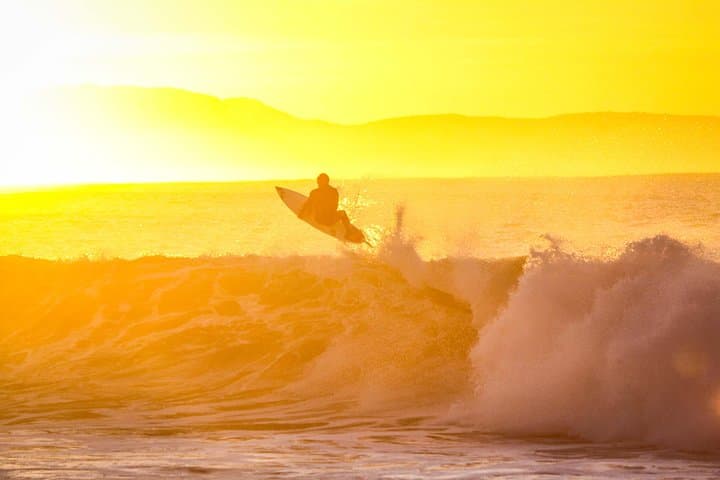
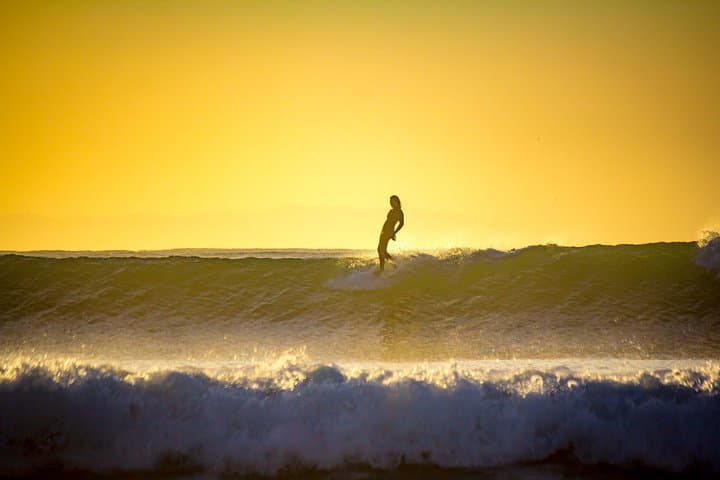
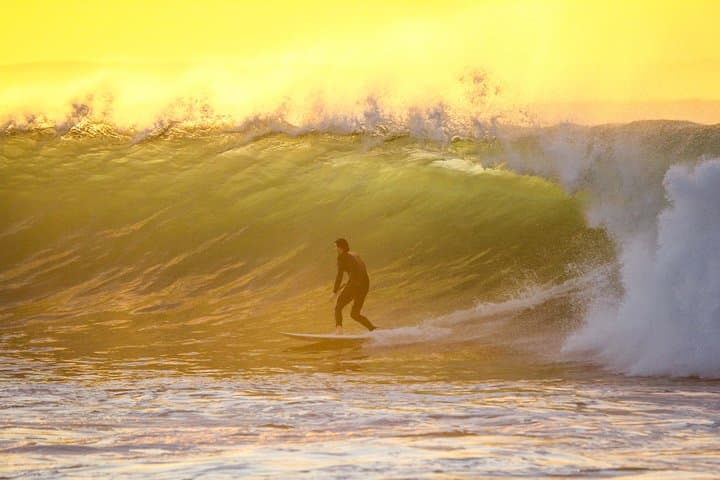
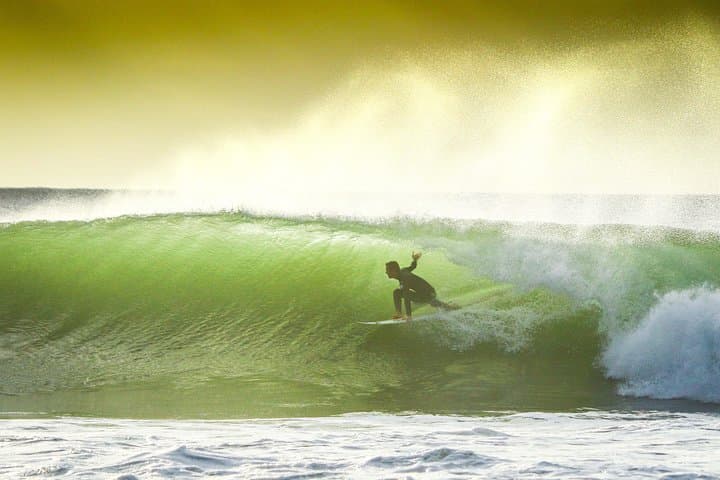
Morning light breaks over the Indian Ocean and the lineup at Jeffreys Bay reads like a map of intent — long, raked shoulders of water pushing riders down Supertubes while the camera paddles close to record the arc of spray. A surf photoshoot here means working the local rhythm: choosing the right break, timing sets, and staying mobile to catch the decisive drop or carve.
Morning light breaks over the Indian Ocean and the lineup at Jeffreys Bay reads like a map of intent — long, raked shoulders of water pushing riders down Supertubes while the camera paddles close to record the arc of spray. A surf photoshoot here means working the local rhythm: choosing the right break, timing sets, and staying mobile to catch the decisive drop or carve.
Jeffreys Bay grew from a quiet fishing settlement into a global surf hub, its coastline carved from beaches and rocky points that focus southeast swells into long, fast rides. The town’s surf culture is practical and performance‑oriented; local shacks, surf schools, and the annual competition scene shape how sessions run and where photographers position themselves.
Expect an on‑water, 2–3 hour session that blends coaching with shooting. The photographer scouts conditions with you, picks the safest angle, and captures surfers from the line‑up and inside the wave when feasible. The ocean here can be playful or insistently powerful; currents and sudden wind shifts will test timing and fitness.
Practical guidance: arrive with a waxed board and a snug wetsuit for cooler months, hydrate before paddling out, and communicate skill level clearly so the shoot matches your comfort zone. Plan for changing light — early morning and late afternoon give the most flattering photos — and bring a towel and warm layer for post‑session cooling down. You’ll leave with full‑res images and a clearer sense of how J‑Bay’s waves frame a great surf photo.