THE ADVENTURE COLLECTIVE® · Independent discovery and booking for outdoor travel

Learn to read Taghazout’s point breaks with a private coach and two hours of focused instruction. This experience pairs local knowledge and proven drills to accelerate skills while you surf Morocco’s Atlantic line-up.
Learn to read Taghazout’s point breaks with a private coach and two hours of focused instruction. This experience pairs local knowledge and proven drills to accelerate skills while you surf Morocco’s Atlantic line-up.
The morning light hits the Atlantic and Taghazout’s coastline takes a metallic sheen; coaches scan the horizon while wind pushes foam toward the breakers. A small group gathers on the sand for warm-ups, wetsuits fastened and boards lined like tools ready for use. The coach—often a local with decades on these waves—reads the swell and picks the break that fits each rider’s level.
Verified experiences and guided adventures in the surrounding area.
Operated by Taghazout Surfers · Taghazout, Souss-Massa
The morning light hits the Atlantic and Taghazout’s coastline takes a metallic sheen; coaches scan the horizon while wind pushes foam toward the breakers. A small group gathers on the sand for warm-ups, wetsuits fastened and boards lined like tools ready for use. The coach—often a local with decades on these waves—reads the swell and picks the break that fits each rider’s level.
Taghazout began as a Berber fishing village and later became one of Morocco’s most consistent surf zones. The coastline here is a mix of sand and rocky points; long right-hand point breaks such as Anchor Point and Killer Point form where a rocky headland channels swell into long, rideable faces. The geology—sedimentary cliffs and volcanic outcrops—creates seams that produce predictable lines for longboarders and shortboarders alike.
Culturally, Taghazout retains a slow rhythm: tea houses, fishing boats, and surf shacks coexist. Local coaches often weave surf technique with practical ocean sense—reading tides, currents, and local etiquette. Lessons typically include beach drills, paddle and pop-up mechanics, in-water guided repetitions, and time to practice under supervision. Equipment and pick-up around Taghazout are usually included, and a post-session Moroccan mint tea is a common touch.
Practical guidance: aim for a morning session to catch cleaner glassy conditions; be honest about your swimming ability; wear reef-safe sunscreen and consider booties if the entry is rocky. Expect measurable progress—improved paddling, wave selection, and safer wave exits—after focused two-hour private coaching. For travelers, combine a lesson with a walk through the village market or a late-afternoon session as winds ease.
moderate.
2 hours.
Participants should be comfortable swimming and able to paddle with moderate exertion; basic upper-body and core strength helps.
No—lessons are tailored for beginners through intermediate surfers; coaches assess and progress you through fundamentals and in-water practice.
Yes—most operators include local pick-up and transport to the day’s best break based on conditions and ability.
Coaches monitor weather and swell; sessions may be rescheduled or moved to a more suitable spot, and there’s usually a cancellation window for a full refund if conditions are unsafe.
Age requirements vary, but many programs accept teenagers and adults; check with the operator for minimum ages and parental consent rules.
Originally a small Berber fishing settlement, Taghazout grew into a surf destination as international surfers discovered its reliable point breaks in the late 20th century.
Respect local fishing areas and dunes; use reef-safe sunscreen, avoid trampling vegetation, and follow coach guidance to minimize impacts on rocky reef zones.
Taghazout Surfers operates guided outdoor trips and adventures with an emphasis on safety, stewardship, and memorable experiences.
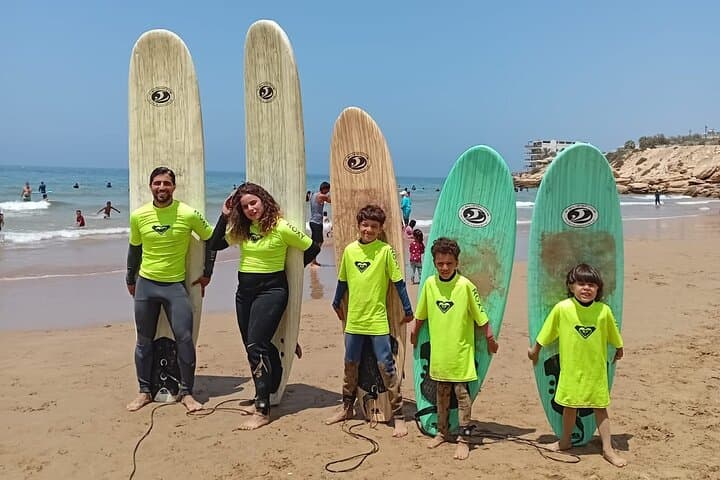
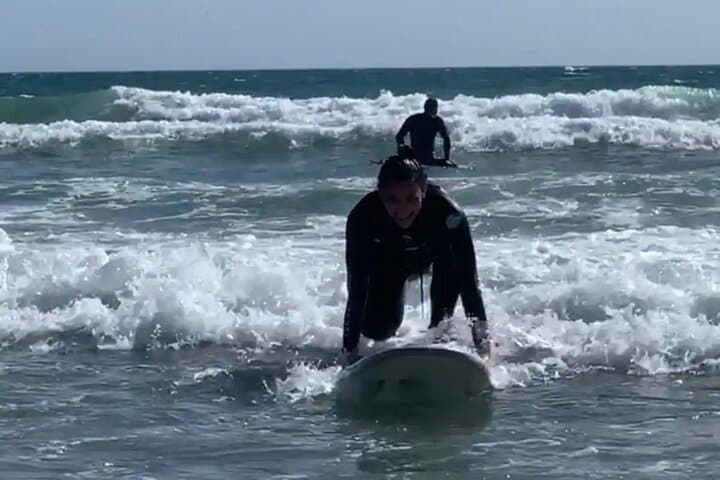
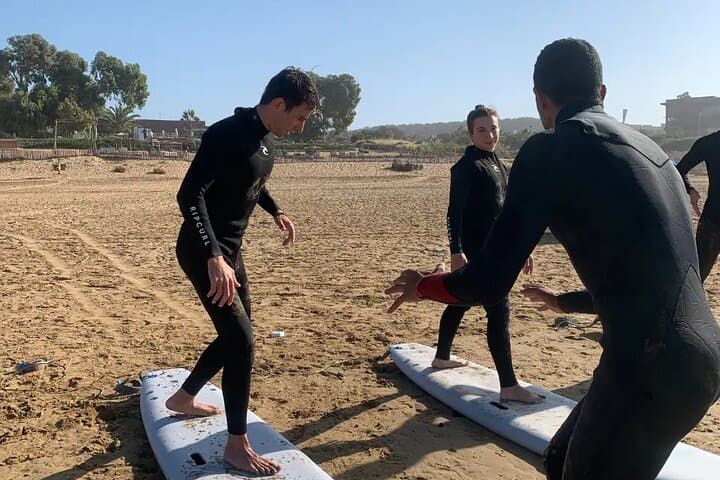
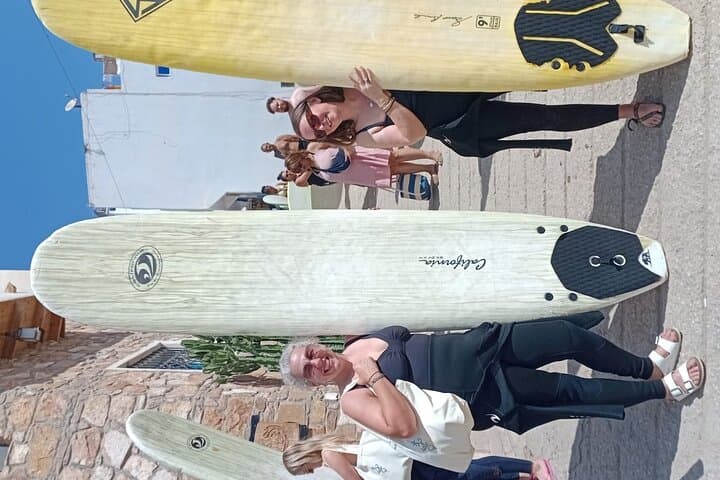
The morning light hits the Atlantic and Taghazout’s coastline takes a metallic sheen; coaches scan the horizon while wind pushes foam toward the breakers. A small group gathers on the sand for warm-ups, wetsuits fastened and boards lined like tools ready for use. The coach—often a local with decades on these waves—reads the swell and picks the break that fits each rider’s level.
The morning light hits the Atlantic and Taghazout’s coastline takes a metallic sheen; coaches scan the horizon while wind pushes foam toward the breakers. A small group gathers on the sand for warm-ups, wetsuits fastened and boards lined like tools ready for use. The coach—often a local with decades on these waves—reads the swell and picks the break that fits each rider’s level.
Taghazout began as a Berber fishing village and later became one of Morocco’s most consistent surf zones. The coastline here is a mix of sand and rocky points; long right-hand point breaks such as Anchor Point and Killer Point form where a rocky headland channels swell into long, rideable faces. The geology—sedimentary cliffs and volcanic outcrops—creates seams that produce predictable lines for longboarders and shortboarders alike.
Culturally, Taghazout retains a slow rhythm: tea houses, fishing boats, and surf shacks coexist. Local coaches often weave surf technique with practical ocean sense—reading tides, currents, and local etiquette. Lessons typically include beach drills, paddle and pop-up mechanics, in-water guided repetitions, and time to practice under supervision. Equipment and pick-up around Taghazout are usually included, and a post-session Moroccan mint tea is a common touch.
Practical guidance: aim for a morning session to catch cleaner glassy conditions; be honest about your swimming ability; wear reef-safe sunscreen and consider booties if the entry is rocky. Expect measurable progress—improved paddling, wave selection, and safer wave exits—after focused two-hour private coaching. For travelers, combine a lesson with a walk through the village market or a late-afternoon session as winds ease.