THE ADVENTURE COLLECTIVE® · Independent discovery and booking for outdoor travel

Ride an elevator to one of Tokyo’s highest observation decks and watch the metropolis unfold: 360-degree views, a perimeter Skywalk, and exhibits that map the city’s growth. Plan for 1–2 hours and time your visit for clear air or sunset lighting.
Ride an elevator to one of Tokyo’s highest observation decks and watch the metropolis unfold: 360-degree views, a perimeter Skywalk, and exhibits that map the city’s growth. Plan for 1–2 hours and time your visit for clear air or sunset lighting.
You step out of Ikebukuro’s glass-and-concrete hum and ride an elevator that climbs a quiet, humming shaft into a wide room of windows. The city stretches away in every direction—Tokyo Tower and Skytree puncture the skyline, office blocks flatten into neighborhoods, and on a clear morning Mount Fuji pins the horizon with white.
Verified experiences and guided adventures in the surrounding area.
Operated by TREVOPEDIA · Ikebukuro, Tokyo
You step out of Ikebukuro’s glass-and-concrete hum and ride an elevator that climbs a quiet, humming shaft into a wide room of windows. The city stretches away in every direction—Tokyo Tower and Skytree puncture the skyline, office blocks flatten into neighborhoods, and on a clear morning Mount Fuji pins the horizon with white.
Sunshine 60 opened as part of Sunshine City in the late 1970s, a period when Tokyo embraced high-rise mixed-use complexes to redefine urban living. The building’s concrete-and-glass spine sits on reclaimed lowlands, and the observatory plays a modern role: a vantage for reading Tokyo’s layered growth. Cultural displays in the deck explain neighborhood histories, while floor-to-ceiling panes frame urban geology—river valleys buried beneath streets, and the gentle tilt of built terraces that follow old waterways.
The Skywalk is the rawer note: a perimeter path that lets wind play at your shoulders and the city seem to move beneath your feet. Photography here shifts between long-range lenses for Mt. Fuji and wide angles for the city's geometry; at night the lights gather into alive constellations.
Practical guidance: allow 60–120 minutes to roam exhibits and take the Skywalk if open. Weekday mornings or late afternoons reduce crowds; tickets are mobile-friendly and the building is wheelchair accessible. Carry a light wind layer—the elevation creates a noticeable breeze—and keep batteries warm in winter. Expect clear announcements in English and Japanese; staff can advise on sightlines for sunset or Fuji visibility.
This stop is an urban climb in minutes rather than miles: a concentrated, high-altitude reading of Tokyo that rewards patience, timing, and an eye for detail.
easy.
1–2 hours.
Accessible to most visitors; minimal mobility required, ramp and elevator access available
Plan 60–120 minutes to explore exhibits, take in views, and do the Skywalk if open; more time if photographing at sunrise or sunset.
The Skywalk is exposed and at height; people with significant acrophobia should consider staying behind the safety glass inside the main deck.
Mobile tickets are accepted and convenient, but walk-up admissions are possible—book ahead during holidays or weekends to avoid queues.
Yes, the observatory and transportation options listed are wheelchair accessible; staff provide assistance if needed.
Sunshine 60 was completed during 东京’s late-1970s high-rise phase and helped transform Ikebukuro into a mixed-use urban center with shopping, offices, and entertainment.
The observatory promotes low-impact visitation by concentrating sightseers in an accessible space and encouraging public transit to reduce car use.
TREVOPEDIA operates guided outdoor trips and adventures with an emphasis on safety, stewardship, and memorable experiences.
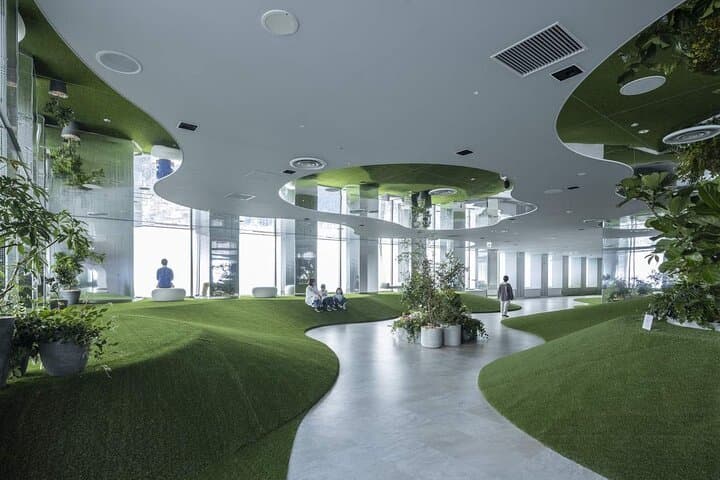
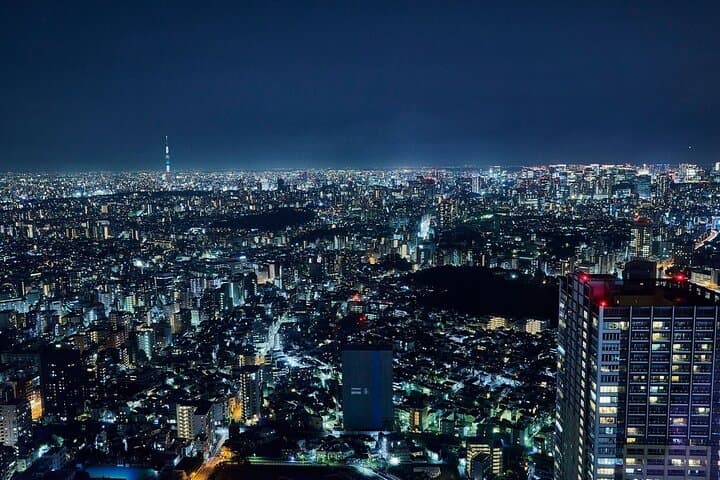
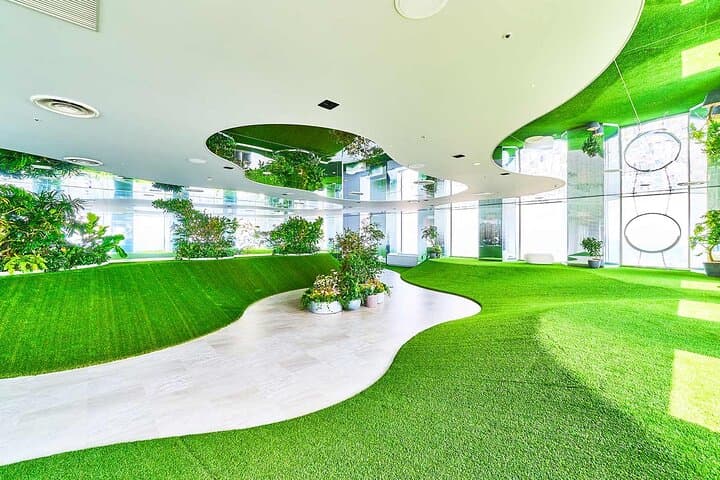
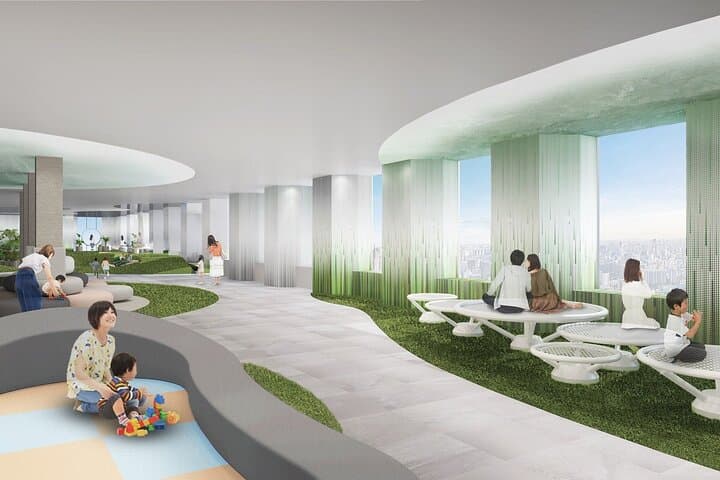
You step out of Ikebukuro’s glass-and-concrete hum and ride an elevator that climbs a quiet, humming shaft into a wide room of windows. The city stretches away in every direction—Tokyo Tower and Skytree puncture the skyline, office blocks flatten into neighborhoods, and on a clear morning Mount Fuji pins the horizon with white.
You step out of Ikebukuro’s glass-and-concrete hum and ride an elevator that climbs a quiet, humming shaft into a wide room of windows. The city stretches away in every direction—Tokyo Tower and Skytree puncture the skyline, office blocks flatten into neighborhoods, and on a clear morning Mount Fuji pins the horizon with white.
Sunshine 60 opened as part of Sunshine City in the late 1970s, a period when Tokyo embraced high-rise mixed-use complexes to redefine urban living. The building’s concrete-and-glass spine sits on reclaimed lowlands, and the observatory plays a modern role: a vantage for reading Tokyo’s layered growth. Cultural displays in the deck explain neighborhood histories, while floor-to-ceiling panes frame urban geology—river valleys buried beneath streets, and the gentle tilt of built terraces that follow old waterways.
The Skywalk is the rawer note: a perimeter path that lets wind play at your shoulders and the city seem to move beneath your feet. Photography here shifts between long-range lenses for Mt. Fuji and wide angles for the city's geometry; at night the lights gather into alive constellations.
Practical guidance: allow 60–120 minutes to roam exhibits and take the Skywalk if open. Weekday mornings or late afternoons reduce crowds; tickets are mobile-friendly and the building is wheelchair accessible. Carry a light wind layer—the elevation creates a noticeable breeze—and keep batteries warm in winter. Expect clear announcements in English and Japanese; staff can advise on sightlines for sunset or Fuji visibility.
This stop is an urban climb in minutes rather than miles: a concentrated, high-altitude reading of Tokyo that rewards patience, timing, and an eye for detail.