THE ADVENTURE COLLECTIVE® · Independent discovery and booking for outdoor travel

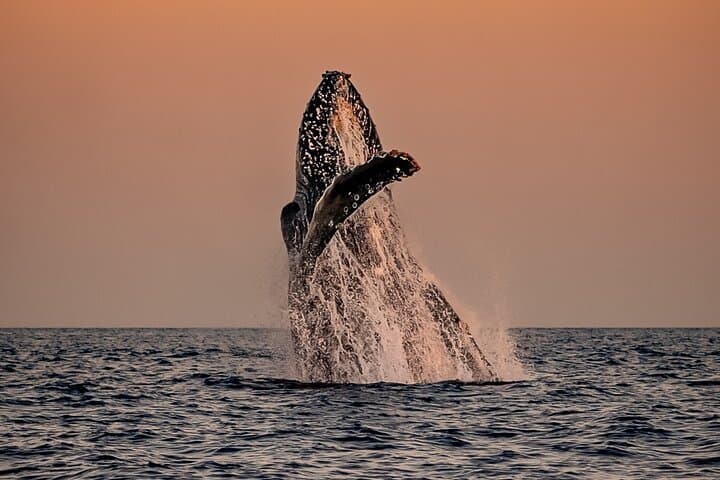
Watch humpback whales glide and breach against a sunset backdrop on a small-group, two-hour cruise from Cabo San Lucas Marina. Naturalist guides, photographers and drone pilots provide education and images while prioritizing responsible viewing.
Watch humpback whales glide and breach against a sunset backdrop on a small-group, two-hour cruise from Cabo San Lucas Marina. Naturalist guides, photographers and drone pilots provide education and images while prioritizing responsible viewing.
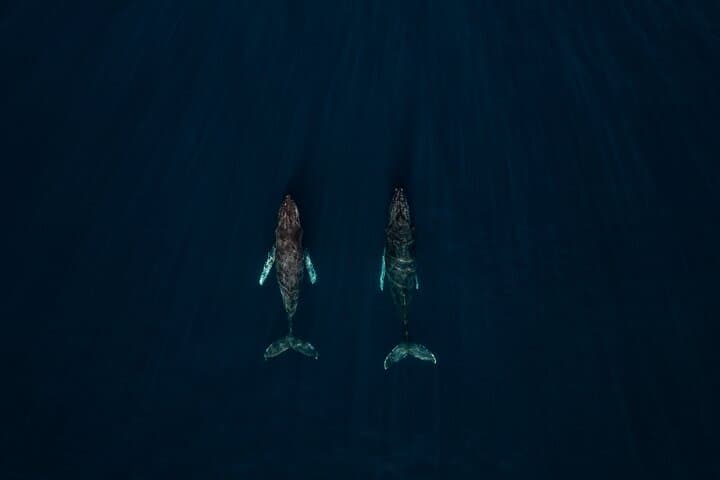
The marina light softens as the boat slips away from Dock D, Luxury Avenue shrinking to a line of reflections while the sky bruises orange. Onboard, bilingual naturalist guides scan the horizon; their binoculars and drone cameras cut through the fading glare in search of broad backs and tail flukes. For two hours you ride the swell at the edge of Land’s End, where deep sea meets the shallower bays and humpback whales stage their winter migration.
Verified experiences and guided adventures in the surrounding area.
Operated by APEX OCEAN DIVERS · Cabo San Lucas, Baja California Sur
The marina light softens as the boat slips away from Dock D, Luxury Avenue shrinking to a line of reflections while the sky bruises orange. Onboard, bilingual naturalist guides scan the horizon; their binoculars and drone cameras cut through the fading glare in search of broad backs and tail flukes. For two hours you ride the swell at the edge of Land’s End, where deep sea meets the shallower bays and humpback whales stage their winter migration.
Cabo’s waters are carved by tectonic edges and deep channels that funnel nutrient-rich currents—conditions that attract krill and, in turn, whales. The region has been a seasonal meeting place for Indigenous fishermen and modern mariners; today, small, regulated tours balance storytelling with species-specific behavior interpretation.
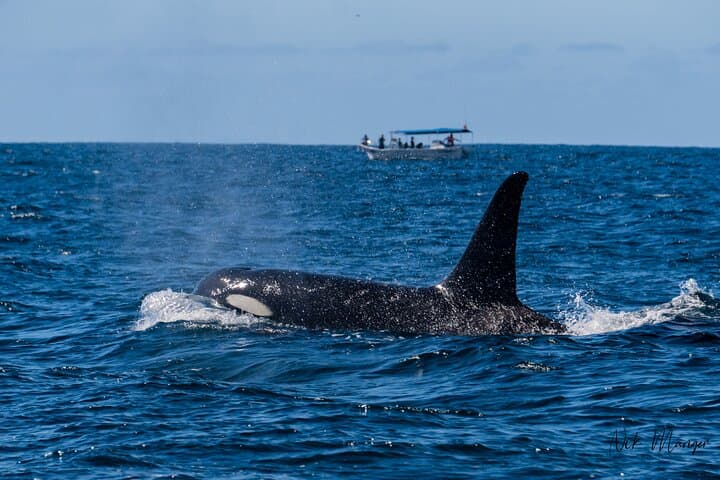
Expect a close but respectful encounter: guides here emphasize non-intrusive viewing, keeping distance while offering context about breaching, spy-hopping and calf-rearing behavior. The sunset adds contrast—silhouettes of rock formations, occasional dolphin pods, and the Arch framed against the dying light.
Practical notes: tours run about two hours, typically at dusk; the official high season for humpback sightings is mid-December through mid-April. Small groups (max eight) mean more space and better photo angles; bring layered windproof clothing, motion-sickness meds if you’re sensitive, and a camera with a steady grip. Boarding is at Cabo San Lucas Marina; arrive early to check in and secure a good vantage point. Guides provide snacks, restroom access, and onboard photography — focus on the experience, and let the ocean do the rest.
moderate.
2 hours.
Suitable for most fitness levels; requires basic balance and ability to step aboard a small vessel.
During the peak season (approximately Dec 15–Apr 15) sightings are very likely; guides report high encounter rates with humpback whales in the region.
Tours limit groups to small sizes and list a 10-year minimum for this specific cruise; contact the operator about mobility needs or infant policies before booking.
Yes — the tour includes snacks and a restroom on the vessel as part of the onboard amenities.
Plan to arrive 20–30 minutes early for check-in at Dock D to complete boarding and secure preferred viewing positions.
Cabo’s waters have long supported migratory whales and local fishing communities; modern whale-watching grew alongside conservation efforts and regulated tourism.
Operators follow recommended viewing distances and time limits to minimize stress; choose licensed guides who support local conservation programs.
APEX OCEAN DIVERS operates guided outdoor trips and adventures with an emphasis on safety, stewardship, and memorable experiences.

The marina light softens as the boat slips away from Dock D, Luxury Avenue shrinking to a line of reflections while the sky bruises orange. Onboard, bilingual naturalist guides scan the horizon; their binoculars and drone cameras cut through the fading glare in search of broad backs and tail flukes. For two hours you ride the swell at the edge of Land’s End, where deep sea meets the shallower bays and humpback whales stage their winter migration.
The marina light softens as the boat slips away from Dock D, Luxury Avenue shrinking to a line of reflections while the sky bruises orange. Onboard, bilingual naturalist guides scan the horizon; their binoculars and drone cameras cut through the fading glare in search of broad backs and tail flukes. For two hours you ride the swell at the edge of Land’s End, where deep sea meets the shallower bays and humpback whales stage their winter migration.
Cabo’s waters are carved by tectonic edges and deep channels that funnel nutrient-rich currents—conditions that attract krill and, in turn, whales. The region has been a seasonal meeting place for Indigenous fishermen and modern mariners; today, small, regulated tours balance storytelling with species-specific behavior interpretation.
Expect a close but respectful encounter: guides here emphasize non-intrusive viewing, keeping distance while offering context about breaching, spy-hopping and calf-rearing behavior. The sunset adds contrast—silhouettes of rock formations, occasional dolphin pods, and the Arch framed against the dying light.
Practical notes: tours run about two hours, typically at dusk; the official high season for humpback sightings is mid-December through mid-April. Small groups (max eight) mean more space and better photo angles; bring layered windproof clothing, motion-sickness meds if you’re sensitive, and a camera with a steady grip. Boarding is at Cabo San Lucas Marina; arrive early to check in and secure a good vantage point. Guides provide snacks, restroom access, and onboard photography — focus on the experience, and let the ocean do the rest.