THE ADVENTURE COLLECTIVE® · Independent discovery and booking for outdoor travel

Drive out from Muscat into the shifting Sharqiya Sands to ride camels, surf sand dunes in a 4x4 and watch one of Oman’s most dramatic sunsets before a desert‑camp dinner. This full‑day excursion blends short hikes, a wadi swim and Bedouin‑style hospitality into a single accessible adventure.
Drive out from Muscat into the shifting Sharqiya Sands to ride camels, surf sand dunes in a 4x4 and watch one of Oman’s most dramatic sunsets before a desert‑camp dinner. This full‑day excursion blends short hikes, a wadi swim and Bedouin‑style hospitality into a single accessible adventure.
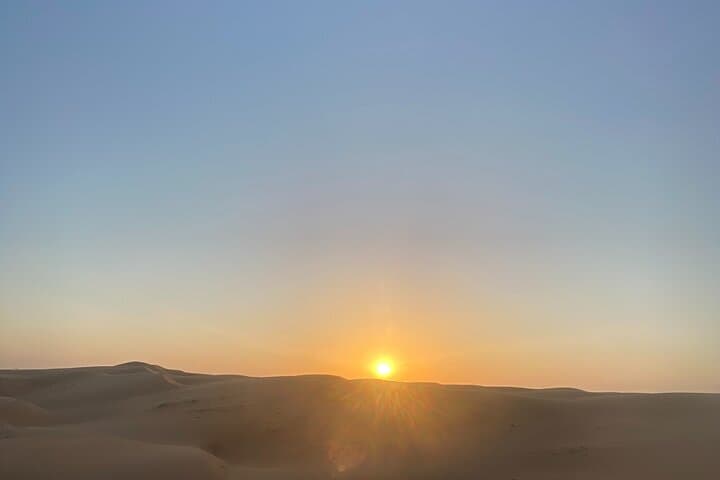
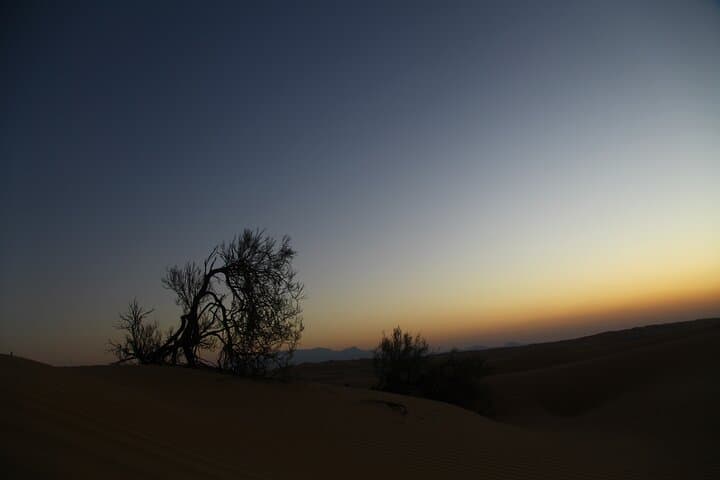
The sun slides down a wall of sand and the whole desert exhales—gold rims the dune crests, then fades to a cool purple as wind rewrites the ripples beneath your feet. On this day tour from Muscat you’ll cross Omani plains into the Sharqiya (Wahiba) Sands, step off an air‑conditioned vehicle and feel the dune slope give underfoot, hear tires and hooves punctuate the silence, and stand where the horizon feels endless.
Verified experiences and guided adventures in the surrounding area.
Operated by Moon Tours Oman · Bidiyah, Ash Sharqiyah
The sun slides down a wall of sand and the whole desert exhales—gold rims the dune crests, then fades to a cool purple as wind rewrites the ripples beneath your feet. On this day tour from Muscat you’ll cross Omani plains into the Sharqiya (Wahiba) Sands, step off an air‑conditioned vehicle and feel the dune slope give underfoot, hear tires and hooves punctuate the silence, and stand where the horizon feels endless.
Geologically the Wahiba is a broad sea of mobile dunes formed by Arabian winds and riverine sediments, shifting seasonally. Historically the sands have been the domain of Bedouin clans whose camel herding and hospitality shaped local culture; modern desert camps now offer a glimpse of those traditions—tea, storytelling and simple shared meals—without compromising authenticity.
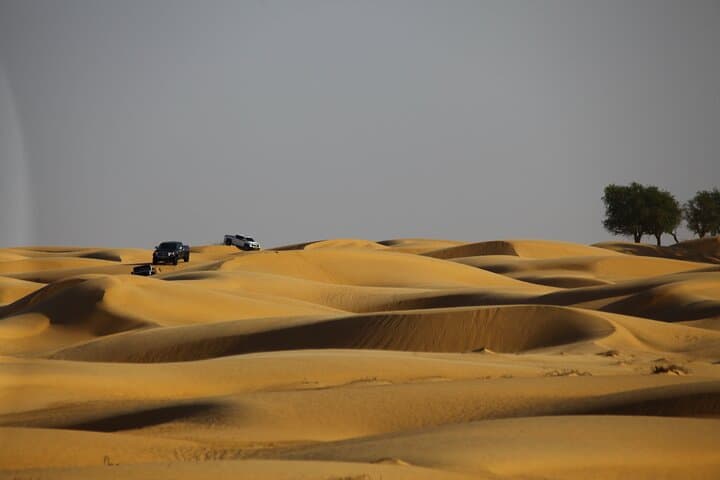
Expect a long but accessible day: a drive of roughly 2–3 hours each way from Muscat, a short 10‑minute walk to the so‑called crystal pools at a wadi for a swim (seasonal), optional camel saddle time, a dune‑bashing safari and a sunset vantage where photographers and daydreamers gather. The camp dinner under stars is communal and relaxed; campers provide basic facilities rather than luxury lodgings.
Practical edge: wear closed shoes for sand, carry layered clothes for temperature swings after sunset, and bring ample water and sun protection. Cameras with extra batteries, small cash for tips, and an openness to uneven surfaces will make the day smoother. The route covers soft sand, vehicle tracks, and short walks—rewarding for travelers who want a visceral desert experience without an overnight commitment.
moderate.
7–9 hours.
Suitable for most travelers who can sit for long drives, handle short sandy walks and tolerate heat; not recommended for people with severe mobility limitations.
The tour runs about 7–9 hours (420–540 minutes) and typically includes hotel pickup in Muscat near landmarks like the Royal Opera House or Sultan Qaboos Grand Mosque.
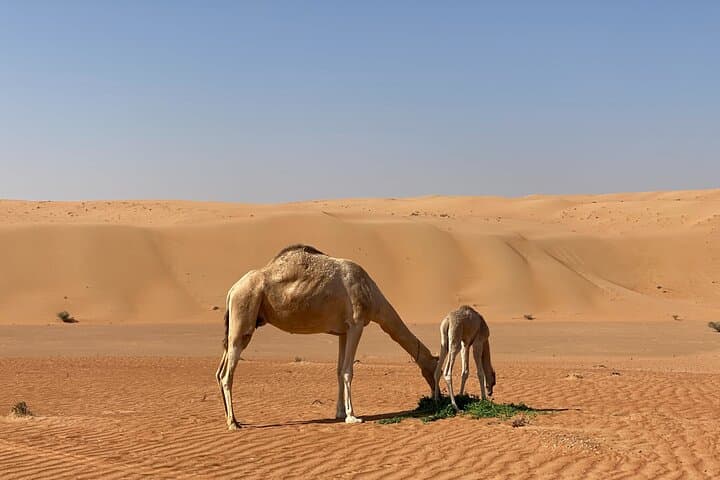
Camel rides are offered as an optional experience; you can skip it if you prefer to join the dune drive and sunset viewing instead.
Yes—there’s a short 10‑minute walk to seasonal crystal pools in a wadi where swimming is possible; bring swimwear and quick‑dry garments.
The tour includes bottled water, tea/coffee and a simple dinner at a desert camp; facilities are basic and centered on traditional camp hospitality rather than luxury services.
Wahiba Sands has long been inhabited and traversed by Bedouin families whose camel herding and trade routes shaped local settlement patterns and cultural practices.
Dune ecosystems are sensitive—stick to vehicle tracks where instructed, avoid disturbing vegetation, and follow camp guidance on waste management to limit impact.
Moon Tours Oman operates guided outdoor trips and adventures with an emphasis on safety, stewardship, and memorable experiences.
The sun slides down a wall of sand and the whole desert exhales—gold rims the dune crests, then fades to a cool purple as wind rewrites the ripples beneath your feet. On this day tour from Muscat you’ll cross Omani plains into the Sharqiya (Wahiba) Sands, step off an air‑conditioned vehicle and feel the dune slope give underfoot, hear tires and hooves punctuate the silence, and stand where the horizon feels endless.
The sun slides down a wall of sand and the whole desert exhales—gold rims the dune crests, then fades to a cool purple as wind rewrites the ripples beneath your feet. On this day tour from Muscat you’ll cross Omani plains into the Sharqiya (Wahiba) Sands, step off an air‑conditioned vehicle and feel the dune slope give underfoot, hear tires and hooves punctuate the silence, and stand where the horizon feels endless.
Geologically the Wahiba is a broad sea of mobile dunes formed by Arabian winds and riverine sediments, shifting seasonally. Historically the sands have been the domain of Bedouin clans whose camel herding and hospitality shaped local culture; modern desert camps now offer a glimpse of those traditions—tea, storytelling and simple shared meals—without compromising authenticity.
Expect a long but accessible day: a drive of roughly 2–3 hours each way from Muscat, a short 10‑minute walk to the so‑called crystal pools at a wadi for a swim (seasonal), optional camel saddle time, a dune‑bashing safari and a sunset vantage where photographers and daydreamers gather. The camp dinner under stars is communal and relaxed; campers provide basic facilities rather than luxury lodgings.
Practical edge: wear closed shoes for sand, carry layered clothes for temperature swings after sunset, and bring ample water and sun protection. Cameras with extra batteries, small cash for tips, and an openness to uneven surfaces will make the day smoother. The route covers soft sand, vehicle tracks, and short walks—rewarding for travelers who want a visceral desert experience without an overnight commitment.