THE ADVENTURE COLLECTIVE® · Independent discovery and booking for outdoor travel

Explore three of Rapa Nui’s archaeological highlights in the golden hours: Puna Pau quarry, Ahu Akivi’s seven moai, and the Tahai complex. This 3–4 hour guided tour combines geology, oral history, and ideal sunset views with convenient pickup from Hanga Roa.
Explore three of Rapa Nui’s archaeological highlights in the golden hours: Puna Pau quarry, Ahu Akivi’s seven moai, and the Tahai complex. This 3–4 hour guided tour combines geology, oral history, and ideal sunset views with convenient pickup from Hanga Roa.
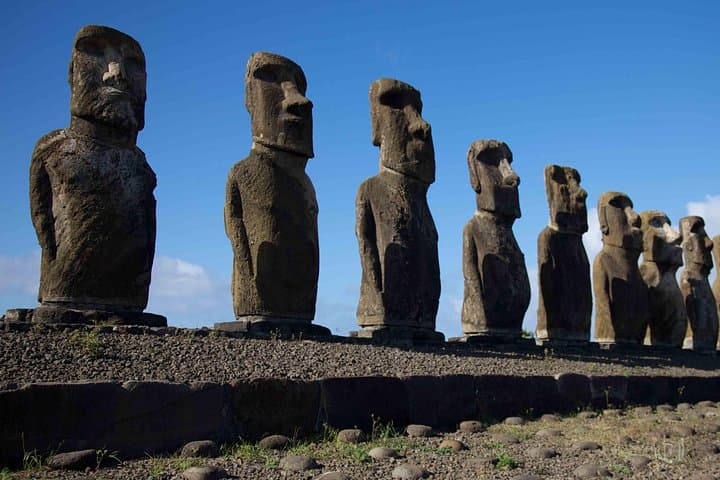
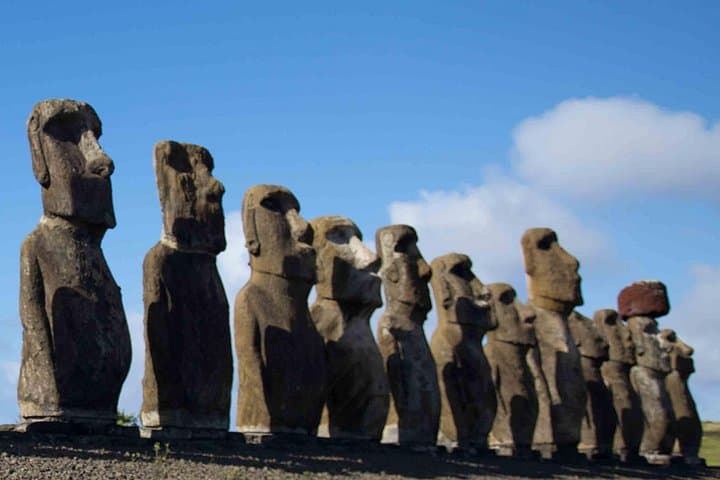
Late afternoon light drapes the volcanic shore as your van eases out of Hanga Roa and onto the island's volcanic spine. The air is salty, wind-tossed, and a little cooler than midday; stone giants watch from raised platforms while the Pacific hurls itself at black-lava beaches. This half-day, bilingual tour threads three principal sites — Puna Pau quarry, the inland Ahu Akivi, and the coastal Tahai complex — delivering concentrated archaeology in the hour when shadows sharpen the moai's carved features.
Verified experiences and guided adventures in the surrounding area.
Operated by RipioTurismo · Hanga Roa, Valparaíso Region
Late afternoon light drapes the volcanic shore as your van eases out of Hanga Roa and onto the island's volcanic spine. The air is salty, wind-tossed, and a little cooler than midday; stone giants watch from raised platforms while the Pacific hurls itself at black-lava beaches. This half-day, bilingual tour threads three principal sites — Puna Pau quarry, the inland Ahu Akivi, and the coastal Tahai complex — delivering concentrated archaeology in the hour when shadows sharpen the moai's carved features.
Puna Pau is where Rapa Nui carvers hewed red scoria topknots; the raw geology explains the color palette of the monuments. Ahu Akivi is unusual: seven moai face the sea from an inland platform and are linked in local tradition to the seven Polynesian navigators who first sighted the island. Tahai, with its restored ahu and ocean views, offers the best light for photos and a quiet window into ritual landscapes reshaped over centuries.
Expect short, mostly flat walks between viewing platforms along compacted dirt and uneven stone. Guides frame oral histories, the practicalities of moai transport, and recent conservation work, giving cultural context without heavy jargon.
Practicalities: pickups from Hanga Roa are included and the tour runs about 3–4 hours, typically starting mid-afternoon and returning by early evening. Wear supportive shoes for stony ground, bring sun protection and 1 liter of water, and charge your camera — shadows and seascapes make for dramatic shots. If you prefer quieter moments, request a late-seating near Tahai to linger through sunset.
easy.
3–4 hours.
Suitable for most fitness levels; requires short, gentle walks on uneven ground and standing at viewpoints.
The tour lasts about 3–4 hours and typically departs mid-afternoon (around 15:00), returning to Hanga Roa by early evening.
Yes; the tour is rated easy and suitable for most fitness levels, though there are uneven surfaces—notify the operator if mobility assistance is needed.
Pick-up and drop-off are included; sites are open-air archaeological areas where photography for personal use is generally allowed.
The tour is bilingual in Spanish and/or English; confirm language needs when booking to ensure availability.
Rapa Nui’s moai were carved between ~1250–1500 CE from volcanic tuff; later island history includes internal social changes and European contact that sharply affected the population and cultural practices.
Ongoing restoration projects protect ahu foundations and moai stability; visitors are asked to stay on paths, avoid touching monuments, and follow guide instructions to minimize wear.
RipioTurismo operates guided outdoor trips and adventures with an emphasis on safety, stewardship, and memorable experiences.
Late afternoon light drapes the volcanic shore as your van eases out of Hanga Roa and onto the island's volcanic spine. The air is salty, wind-tossed, and a little cooler than midday; stone giants watch from raised platforms while the Pacific hurls itself at black-lava beaches. This half-day, bilingual tour threads three principal sites — Puna Pau quarry, the inland Ahu Akivi, and the coastal Tahai complex — delivering concentrated archaeology in the hour when shadows sharpen the moai's carved features.
Late afternoon light drapes the volcanic shore as your van eases out of Hanga Roa and onto the island's volcanic spine. The air is salty, wind-tossed, and a little cooler than midday; stone giants watch from raised platforms while the Pacific hurls itself at black-lava beaches. This half-day, bilingual tour threads three principal sites — Puna Pau quarry, the inland Ahu Akivi, and the coastal Tahai complex — delivering concentrated archaeology in the hour when shadows sharpen the moai's carved features.
Puna Pau is where Rapa Nui carvers hewed red scoria topknots; the raw geology explains the color palette of the monuments. Ahu Akivi is unusual: seven moai face the sea from an inland platform and are linked in local tradition to the seven Polynesian navigators who first sighted the island. Tahai, with its restored ahu and ocean views, offers the best light for photos and a quiet window into ritual landscapes reshaped over centuries.
Expect short, mostly flat walks between viewing platforms along compacted dirt and uneven stone. Guides frame oral histories, the practicalities of moai transport, and recent conservation work, giving cultural context without heavy jargon.
Practicalities: pickups from Hanga Roa are included and the tour runs about 3–4 hours, typically starting mid-afternoon and returning by early evening. Wear supportive shoes for stony ground, bring sun protection and 1 liter of water, and charge your camera — shadows and seascapes make for dramatic shots. If you prefer quieter moments, request a late-seating near Tahai to linger through sunset.