THE ADVENTURE COLLECTIVE® · Independent discovery and booking for outdoor travel

A three‑hour guided walk to Sir George Everest House on the Mussoorie–Dehradun ridge that pairs easy hiking with cartography history, birdwatching and broad Doon Valley views. Ideal for sunset visits and beginners comfortable on uneven paths.
A three‑hour guided walk to Sir George Everest House on the Mussoorie–Dehradun ridge that pairs easy hiking with cartography history, birdwatching and broad Doon Valley views. Ideal for sunset visits and beginners comfortable on uneven paths.
The trail opens with the cool hush of high-country pines and a ribbon of stone underfoot, the Doon Valley unfurling below and the ridge ahead inviting a steady pace. In late afternoon the light sharpens the ridgeline; the guide points out survey markers and a scattering of birds that flit like punctuation between branches.
Verified experiences and guided adventures in the surrounding area.
Operated by Seegreen Lodges · Dehradun, Uttarakhand
The trail opens with the cool hush of high-country pines and a ribbon of stone underfoot, the Doon Valley unfurling below and the ridge ahead inviting a steady pace. In late afternoon the light sharpens the ridgeline; the guide points out survey markers and a scattering of birds that flit like punctuation between branches.
Sir George Everest House sits on the Mussoorie–Dehradun ridge. George Everest, the 19th‑century Surveyor General of India, based his regional work in Dehradun; the house and small cartography displays recall the era of chain-and-theodolite surveying that mapped the subcontinent. Geologically, the walk follows the lesser Himalaya foothills—folded sandstone and shale that give way to pine and oak stands—and rewards views across the alluvial Doon basin toward distant, sometimes-snowcapped peaks on clear days.
Locally the route threads past small estates and grazing terraces; Landour and Mussoorie culture—tea stalls, convent schools—feel close at hand. Expect birding opportunities (warblers, bulbuls, and treepies), an on-site cartography exhibit, and an open terrace ideal for sunset. Entry to the George Everest site is paid on arrival.
Practical guidance: the walk is short (about three hours) with gentle climbs and some stone steps—fit for most walkers but not recommended for those with serious spinal or cardiac conditions. Bring water, a light layer for wind, and cash for the entry fee; trekking sticks are provided. Aim for late afternoon to catch the sun lowering over the Doon Valley, and follow your guide to protect fragile scrub and historic features.
easy.
3 hours.
Suitable for most people who can walk 2–4 miles on uneven ground; not recommended for those with serious spinal or heart conditions.
No — the guided walk includes the guide and trekking sticks; the entry fee to Sir George Everest House is paid by the guest onsite.
The route is classified easy: mostly gentle climbs and short stone steps, suitable for walkers with basic fitness.
Service animals are permitted; general pet policies vary on site—check with the operator for specifics and consider steep sections for young children.
Clear winter and spring afternoons give the best long-range views; monsoon brings lushness but slippery trails and frequent clouds.
George Everest served as Surveyor General of India in the early 19th century; his Dehradun-era work and the bungalow on the ridge reflect the colonial surveying legacy now interpreted in a small museum.
The ridge habitats are sensitive to foot traffic and litter; stay on paths, carry out waste, and avoid feeding wildlife to reduce disturbance.
Seegreen Lodges operates guided outdoor trips and adventures with an emphasis on safety, stewardship, and memorable experiences.
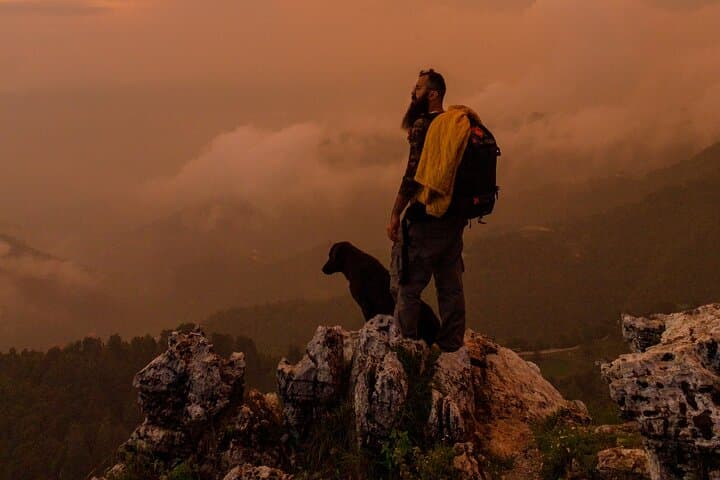
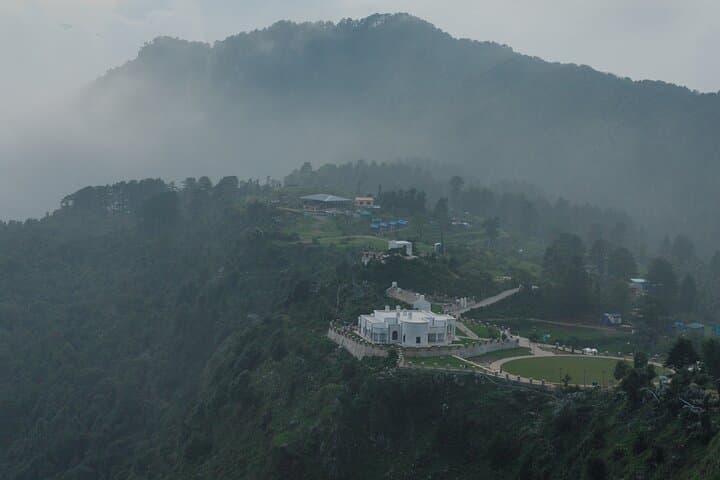
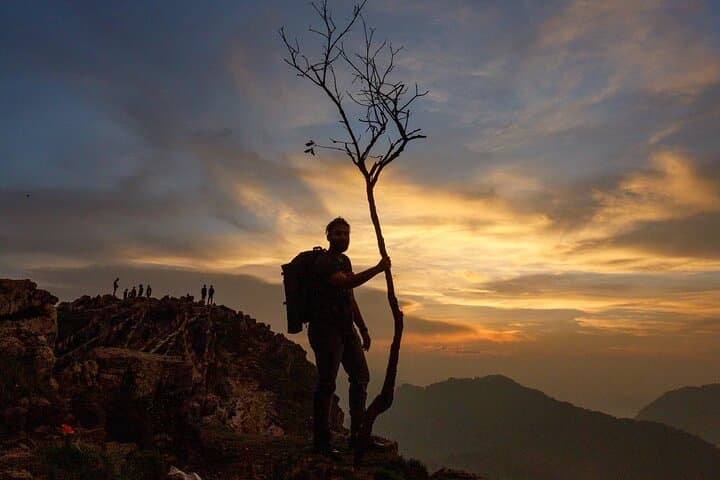
The trail opens with the cool hush of high-country pines and a ribbon of stone underfoot, the Doon Valley unfurling below and the ridge ahead inviting a steady pace. In late afternoon the light sharpens the ridgeline; the guide points out survey markers and a scattering of birds that flit like punctuation between branches.
The trail opens with the cool hush of high-country pines and a ribbon of stone underfoot, the Doon Valley unfurling below and the ridge ahead inviting a steady pace. In late afternoon the light sharpens the ridgeline; the guide points out survey markers and a scattering of birds that flit like punctuation between branches.
Sir George Everest House sits on the Mussoorie–Dehradun ridge. George Everest, the 19th‑century Surveyor General of India, based his regional work in Dehradun; the house and small cartography displays recall the era of chain-and-theodolite surveying that mapped the subcontinent. Geologically, the walk follows the lesser Himalaya foothills—folded sandstone and shale that give way to pine and oak stands—and rewards views across the alluvial Doon basin toward distant, sometimes-snowcapped peaks on clear days.
Locally the route threads past small estates and grazing terraces; Landour and Mussoorie culture—tea stalls, convent schools—feel close at hand. Expect birding opportunities (warblers, bulbuls, and treepies), an on-site cartography exhibit, and an open terrace ideal for sunset. Entry to the George Everest site is paid on arrival.
Practical guidance: the walk is short (about three hours) with gentle climbs and some stone steps—fit for most walkers but not recommended for those with serious spinal or cardiac conditions. Bring water, a light layer for wind, and cash for the entry fee; trekking sticks are provided. Aim for late afternoon to catch the sun lowering over the Doon Valley, and follow your guide to protect fragile scrub and historic features.