THE ADVENTURE COLLECTIVE® · Independent discovery and booking for outdoor travel

Walk the Zimbabwean rim of Victoria Falls as sunlight fractures through rising mist. This guided 2–3 hour tour delivers scenic viewpoints, local history, and practical route advice for photographers and families.
Walk the Zimbabwean rim of Victoria Falls as sunlight fractures through rising mist. This guided 2–3 hour tour delivers scenic viewpoints, local history, and practical route advice for photographers and families.
You arrive as the light thins and the gorge exhales — the roar of the Falls grows and the spray paints the air with fine diamonds. The Zimbabwean side of Victoria Falls opens like a sequence of massive frames: each viewpoint a new composition where water tears over basalt ledges and the Batoka Gorge cuts a dark line downstream.
Verified experiences and guided adventures in the surrounding area.
Operated by ROCKFOWL SAFARIS · Victoria Falls, Matabeleland North
You arrive as the light thins and the gorge exhales — the roar of the Falls grows and the spray paints the air with fine diamonds. The Zimbabwean side of Victoria Falls opens like a sequence of massive frames: each viewpoint a new composition where water tears over basalt ledges and the Batoka Gorge cuts a dark line downstream.
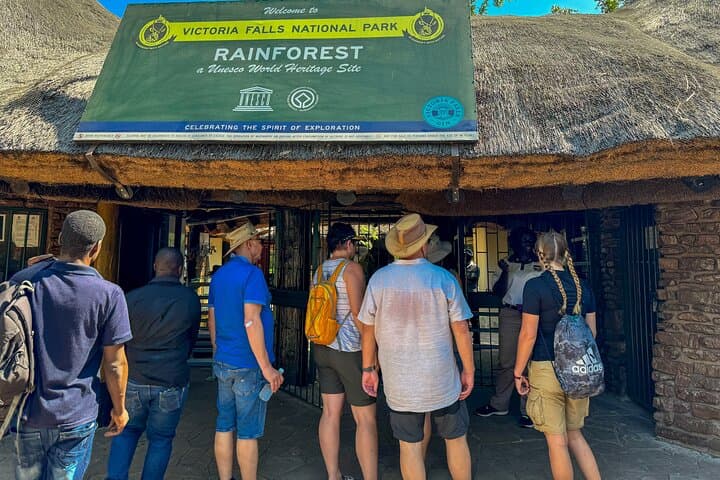
The guide leads along well-worn rainforest paths, stopping at more than a dozen lookouts that trace the waterfall’s geology. The basalt rim and fractured escarpment tell a volcanic story; erosion and seasonal flood pulses have carved the 108-meter drop that David Livingstone called “the smoke that thunders” (Mosi-oa-Tunya). The local Tonga and Lozi histories weave through the tour — myths, colonial contact, and the Falls’ UNESCO designation sit next to practical notes about wildlife and river flow.
Practicalities matter out here: trails are mostly paved but can be slippery from mist, and viewpoints vary in exposure and elevation. Wheelchair-accessible sections are available, and hosts commonly provide raincoats and bottled water. Photographers will want a wide-angle lens for expansive vistas and a lightweight rain cover for gear. Timing near sunrise or late afternoon yields softer light and smaller crowds; mid-day spray can be intense but dramatic.
Expect an easy 2–3 hour walking loop with frequent stops for interpretation, photos, and short rests. Bring layers, waterproofs, and comfortable footwear. The experience balances sensory power and straightforward logistics — you leave with a clear sense of the Falls’ scale, its cultural meanings, and a map of the viewpoints that make the Zimbabwean side indispensable.
easy.
2–3 hours.
Suitable for most fitness levels; involves walking on paved and natural paths with occasional steps and short inclines.
The guided walking tour typically lasts about 2–3 hours, with flexible hotel pickup and multiple photo stops.
Zimbabwe’s side offers the most continuous panoramic viewpoints of the main cataract and Batoka Gorge, making it ideal for sweeping vistas and photography.
Many main viewpoints and paths are wheelchair accessible; however some areas include steps or uneven surfaces—check specific access points in advance.
You may spot birds like kingfishers or African fish eagles and occasionally small mammals near the rainforest edge; larger animals are less common near the falls themselves.
Victoria Falls has long been significant to local Tonga and Lozi peoples; European explorer David Livingstone publicized it in 1855, and it became a UNESCO World Heritage Site in 1989.
Visitor impacts are managed through designated paths and viewpoint infrastructure; staying on trails and minimizing plastic waste helps protect the rainforest microhabitat and river corridor.
ROCKFOWL SAFARIS operates guided outdoor trips and adventures with an emphasis on safety, stewardship, and memorable experiences.
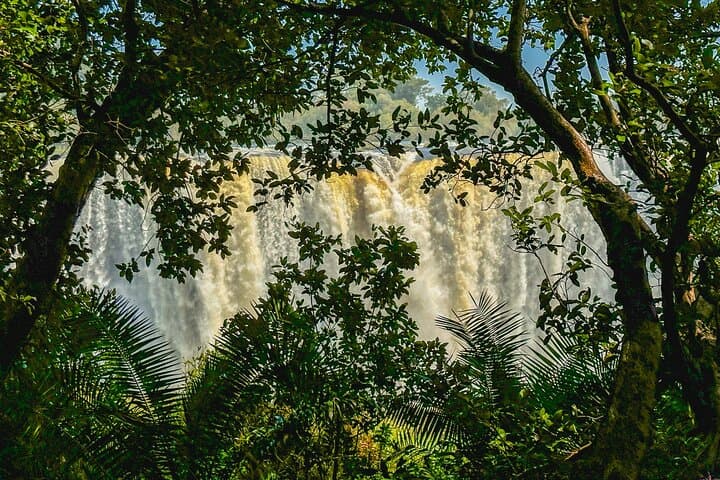
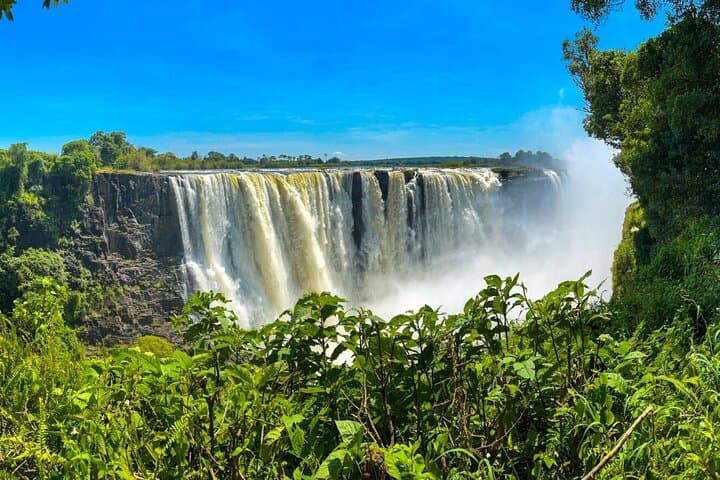

You arrive as the light thins and the gorge exhales — the roar of the Falls grows and the spray paints the air with fine diamonds. The Zimbabwean side of Victoria Falls opens like a sequence of massive frames: each viewpoint a new composition where water tears over basalt ledges and the Batoka Gorge cuts a dark line downstream.
You arrive as the light thins and the gorge exhales — the roar of the Falls grows and the spray paints the air with fine diamonds. The Zimbabwean side of Victoria Falls opens like a sequence of massive frames: each viewpoint a new composition where water tears over basalt ledges and the Batoka Gorge cuts a dark line downstream.
The guide leads along well-worn rainforest paths, stopping at more than a dozen lookouts that trace the waterfall’s geology. The basalt rim and fractured escarpment tell a volcanic story; erosion and seasonal flood pulses have carved the 108-meter drop that David Livingstone called “the smoke that thunders” (Mosi-oa-Tunya). The local Tonga and Lozi histories weave through the tour — myths, colonial contact, and the Falls’ UNESCO designation sit next to practical notes about wildlife and river flow.
Practicalities matter out here: trails are mostly paved but can be slippery from mist, and viewpoints vary in exposure and elevation. Wheelchair-accessible sections are available, and hosts commonly provide raincoats and bottled water. Photographers will want a wide-angle lens for expansive vistas and a lightweight rain cover for gear. Timing near sunrise or late afternoon yields softer light and smaller crowds; mid-day spray can be intense but dramatic.
Expect an easy 2–3 hour walking loop with frequent stops for interpretation, photos, and short rests. Bring layers, waterproofs, and comfortable footwear. The experience balances sensory power and straightforward logistics — you leave with a clear sense of the Falls’ scale, its cultural meanings, and a map of the viewpoints that make the Zimbabwean side indispensable.