THE ADVENTURE COLLECTIVE® · Independent discovery and booking for outdoor travel

Ride a Vespa past rice fields, learn rural Khmer livelihoods, then glide through Tonle Sap’s floating village as the sun drops. This half-day combo tour pairs local insight with a lakeside sunset.
Ride a Vespa past rice fields, learn rural Khmer livelihoods, then glide through Tonle Sap’s floating village as the sun drops. This half-day combo tour pairs local insight with a lakeside sunset.
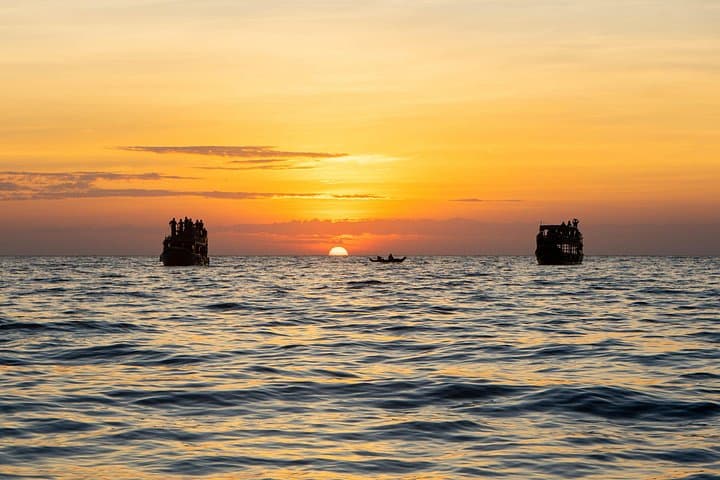
The afternoon air has weight—warm, humid, and edged with the smell of dust and river mud—as riders peel out of Siem Reap and head for the lake. Vespas hum across cracked country roads, rice paddies sliding by like low, green seas, until the townscape opens to water. By twilight the floating village takes on a silhouette: stilts, boats, and laundry catching the last light while the lake’s surface dares you to cross it.
Verified experiences and guided adventures in the surrounding area.
Operated by Vespa Backstreet · Siem Reap, Siem Reap Province
The afternoon air has weight—warm, humid, and edged with the smell of dust and river mud—as riders peel out of Siem Reap and head for the lake. Vespas hum across cracked country roads, rice paddies sliding by like low, green seas, until the townscape opens to water. By twilight the floating village takes on a silhouette: stilts, boats, and laundry catching the last light while the lake’s surface dares you to cross it.
Tonle Sap is not just a body of water; its seasonal pulse defines local life. When the monsoon swells the Mekong, the lake rises, floating houses and schools adapt, and communities move with the current. Geologically shallow but vast, Tonle Sap supports prolific fisheries and birds; culturally it’s woven into Khmer livelihoods for centuries and sits a short ride from the Angkor temple zone.
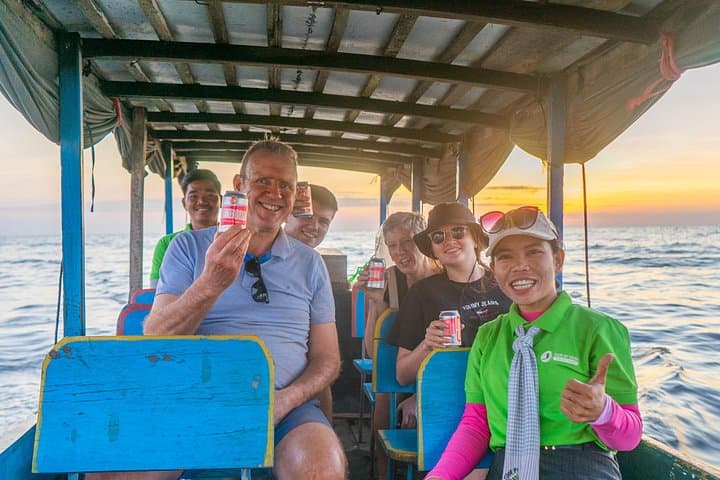
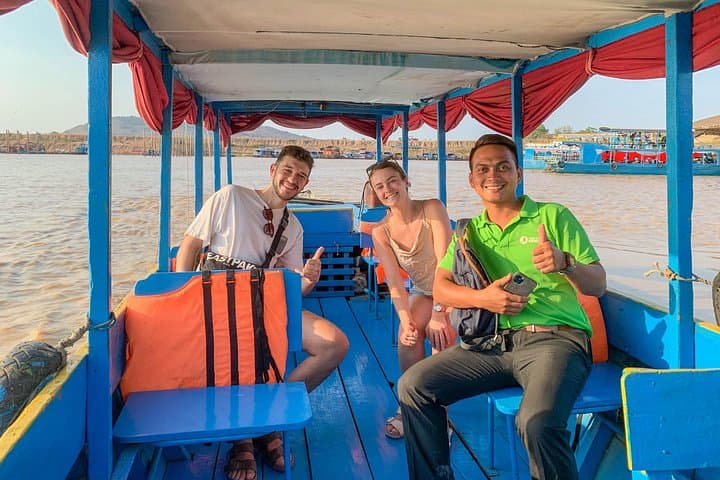
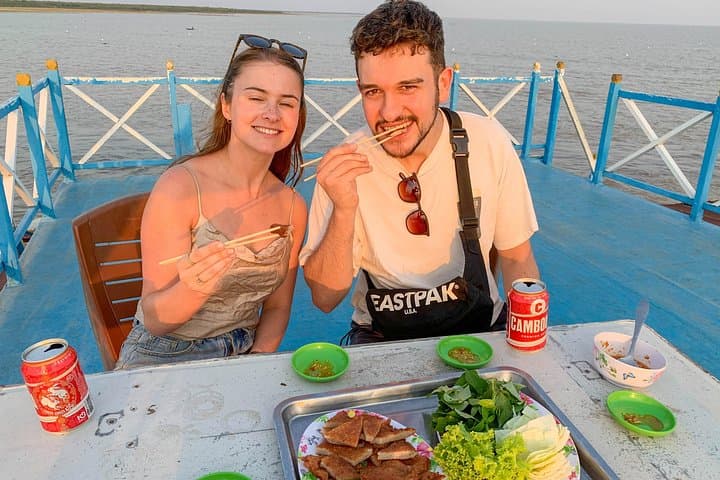
The tour pairs two experiences: a countryside Vespa run that stops at farms and a monastery, then a guided boat through Chong Khneas-style floating villages, ending on an upper-deck sunset with a cold drink. Expect conversation about rice cycles, fish seasons, and the ingenuity of floating architecture.
Practical notes: wear closed-toe shoes and a light long-sleeve for sun and bugs, carry cash for snacks, and bring a camera with a secure strap. Helmets and an experienced Vespa driver are supplied, but those with back or heart conditions should skip the ride. Plan for 4–5 hours total, with pickup in Siem Reap mid-afternoon and return by early evening—prime time for soft light and cooler air.
easy.
4–5 hours.
Suitable for most fitness levels; participants should be able to mount a Vespa and board a small boat.
Yes—helmets and an experienced driver are provided; passengers should wear helmets for the entire road portion.
Boat time through the village portion runs roughly 45–60 minutes, depending on water conditions and stops.
Most village stalls accept cash only—carry small notes in local currency (riel) or US dollars for purchases and tips.
Children can usually participate but the company advises against the Vespa ride for pregnant travelers and those with serious back/heart conditions.
Tonle Sap’s seasonal flood pulse has shaped settlement patterns and fisheries for centuries; floating communities evolved to adapt to annual water fluctuations.
Tonle Sap faces pressures from overfishing and changing water management; choose operators that follow local guidelines, avoid disturbing nesting birds, and minimize single-use plastics.
Vespa Backstreet operates guided outdoor trips and adventures with an emphasis on safety, stewardship, and memorable experiences.
The afternoon air has weight—warm, humid, and edged with the smell of dust and river mud—as riders peel out of Siem Reap and head for the lake. Vespas hum across cracked country roads, rice paddies sliding by like low, green seas, until the townscape opens to water. By twilight the floating village takes on a silhouette: stilts, boats, and laundry catching the last light while the lake’s surface dares you to cross it.
The afternoon air has weight—warm, humid, and edged with the smell of dust and river mud—as riders peel out of Siem Reap and head for the lake. Vespas hum across cracked country roads, rice paddies sliding by like low, green seas, until the townscape opens to water. By twilight the floating village takes on a silhouette: stilts, boats, and laundry catching the last light while the lake’s surface dares you to cross it.
Tonle Sap is not just a body of water; its seasonal pulse defines local life. When the monsoon swells the Mekong, the lake rises, floating houses and schools adapt, and communities move with the current. Geologically shallow but vast, Tonle Sap supports prolific fisheries and birds; culturally it’s woven into Khmer livelihoods for centuries and sits a short ride from the Angkor temple zone.
The tour pairs two experiences: a countryside Vespa run that stops at farms and a monastery, then a guided boat through Chong Khneas-style floating villages, ending on an upper-deck sunset with a cold drink. Expect conversation about rice cycles, fish seasons, and the ingenuity of floating architecture.
Practical notes: wear closed-toe shoes and a light long-sleeve for sun and bugs, carry cash for snacks, and bring a camera with a secure strap. Helmets and an experienced Vespa driver are supplied, but those with back or heart conditions should skip the ride. Plan for 4–5 hours total, with pickup in Siem Reap mid-afternoon and return by early evening—prime time for soft light and cooler air.