THE ADVENTURE COLLECTIVE® · Independent discovery and booking for outdoor travel

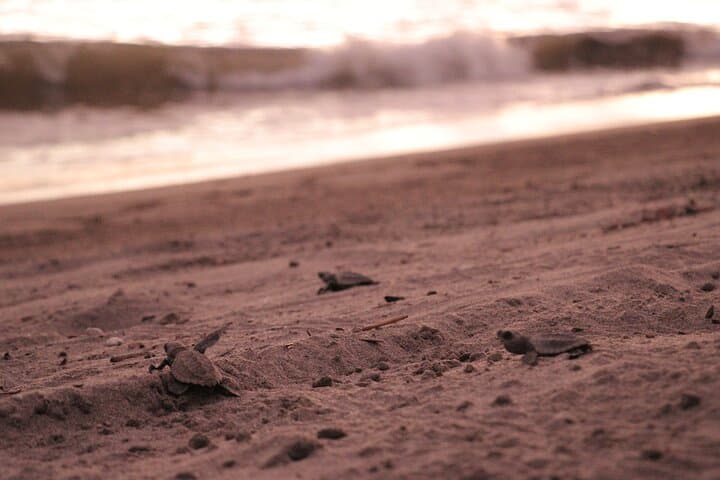
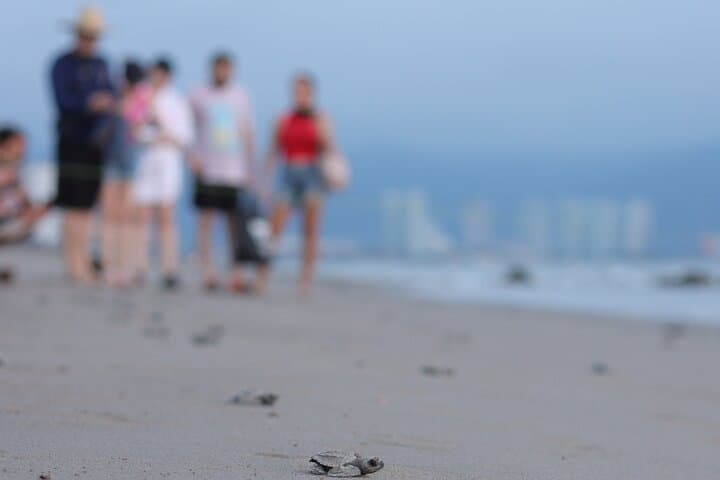
Watch newly hatched Olive Ridley turtles make their first run to the Pacific at Camp Tortuguero. This guided, sunset release pairs a short estuary walk and conservation talk with the quiet thrill of seeing hatchlings reach the sea.
Watch newly hatched Olive Ridley turtles make their first run to the Pacific at Camp Tortuguero. This guided, sunset release pairs a short estuary walk and conservation talk with the quiet thrill of seeing hatchlings reach the sea.
The tide pulls at your ankles and the mangrove estuary breathes around you as the sun slides toward the western horizon. In Camp Tortuguero, guides move quietly through shifting sand and sallow light, explaining the rhythms that govern the shoreline here—where eggs incubate in guarded nests and the ocean waits like a patient ally.
Verified experiences and guided adventures in the surrounding area.
Operated by Vallarta Bionature tours · Puerto Vallarta, Jalisco
The tide pulls at your ankles and the mangrove estuary breathes around you as the sun slides toward the western horizon. In Camp Tortuguero, guides move quietly through shifting sand and sallow light, explaining the rhythms that govern the shoreline here—where eggs incubate in guarded nests and the ocean waits like a patient ally.
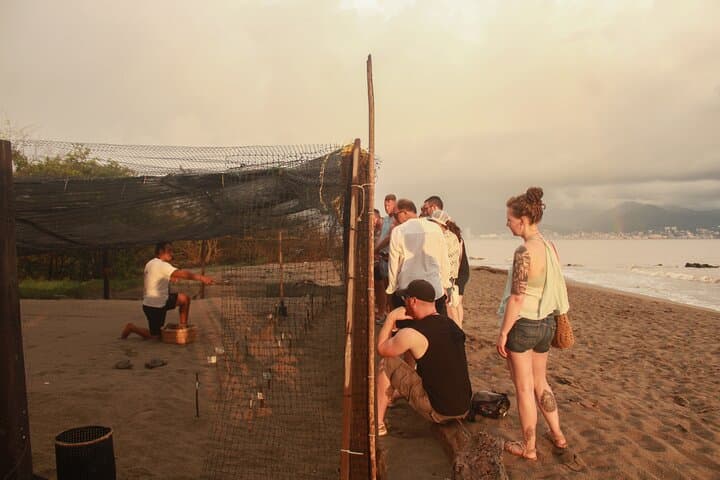
This stretch of Jalisco’s Pacific coast has long been a crossroads for fishers and biologists. Geologically, the bay’s gentle slope and sandy beaches create ideal nesting habitat for Olive Ridley turtles; culturally, local communities have combined traditional fishing livelihoods with conservation efforts in recent decades. At the camp, volunteers and biologists manage incubation areas, monitor nests, and keep night lights to a minimum so hatchlings can find the sea.
Expect a short walk from the meeting point, a concise environmental talk, and the hushed thrill of watching hatchlings break to life and make their first dash toward the water. The experience is sensory: warm sand underfoot, distant surf urging them on, and the subtle chorus of mangrove birds.
Practical notes: tours run around sunset, last roughly two hours, and are suitable for most fitness levels. Wear sturdy closed-toe shoes, bring a red-filter flashlight or low-light camera, and follow guide instructions—no touching, no flash photography, and keep noise low. Hydrate beforehand and leave large bags at the meeting point. By joining, visitors support local conservation through admission and donations, helping ensure future seasons of releases.
easy.
2 hours.
Suitable for most walkers; involves short, flat beach and estuary trails and low-impact standing.
No—touching disturbs them and can transfer oils or bacteria; guides enforce strict no-touch policies for safety and conservation.
Yes—most ages can participate, but infants must sit on laps and very young children should be supervised closely due to low-light conditions and delicate wildlife.
Tours are scheduled around sunset; exact start times depend on season—confirm during booking and arrive early to meet the group.
Check your booking—some operators provide meeting points in Puerto Vallarta but transfers to the camp may not be included; public transportation options exist nearby.
Local coastal communities in Jalisco have shifted toward organized turtle protection over the past 30 years, combining traditional knowledge with scientific monitoring to reduce egg poaching and bycatch.
Light pollution and beach development remain threats—tours enforce low-light viewing and donations support nest monitoring and incubation programs to improve hatchling survival.
Vallarta Bionature tours operates guided outdoor trips and adventures with an emphasis on safety, stewardship, and memorable experiences.

The tide pulls at your ankles and the mangrove estuary breathes around you as the sun slides toward the western horizon. In Camp Tortuguero, guides move quietly through shifting sand and sallow light, explaining the rhythms that govern the shoreline here—where eggs incubate in guarded nests and the ocean waits like a patient ally.
The tide pulls at your ankles and the mangrove estuary breathes around you as the sun slides toward the western horizon. In Camp Tortuguero, guides move quietly through shifting sand and sallow light, explaining the rhythms that govern the shoreline here—where eggs incubate in guarded nests and the ocean waits like a patient ally.
This stretch of Jalisco’s Pacific coast has long been a crossroads for fishers and biologists. Geologically, the bay’s gentle slope and sandy beaches create ideal nesting habitat for Olive Ridley turtles; culturally, local communities have combined traditional fishing livelihoods with conservation efforts in recent decades. At the camp, volunteers and biologists manage incubation areas, monitor nests, and keep night lights to a minimum so hatchlings can find the sea.
Expect a short walk from the meeting point, a concise environmental talk, and the hushed thrill of watching hatchlings break to life and make their first dash toward the water. The experience is sensory: warm sand underfoot, distant surf urging them on, and the subtle chorus of mangrove birds.
Practical notes: tours run around sunset, last roughly two hours, and are suitable for most fitness levels. Wear sturdy closed-toe shoes, bring a red-filter flashlight or low-light camera, and follow guide instructions—no touching, no flash photography, and keep noise low. Hydrate beforehand and leave large bags at the meeting point. By joining, visitors support local conservation through admission and donations, helping ensure future seasons of releases.