THE ADVENTURE COLLECTIVE® · Independent discovery and booking for outdoor travel

Walk among thousand-year-old stupas, climb the stone steps of Mihintale for sunset views, and learn why Anuradhapura anchored Sri Lanka’s ancient hydraulic civilization. This one-day tour mixes archaeology, living Buddhist practice and manageable adventure.
Walk among thousand-year-old stupas, climb the stone steps of Mihintale for sunset views, and learn why Anuradhapura anchored Sri Lanka’s ancient hydraulic civilization. This one-day tour mixes archaeology, living Buddhist practice and manageable adventure.
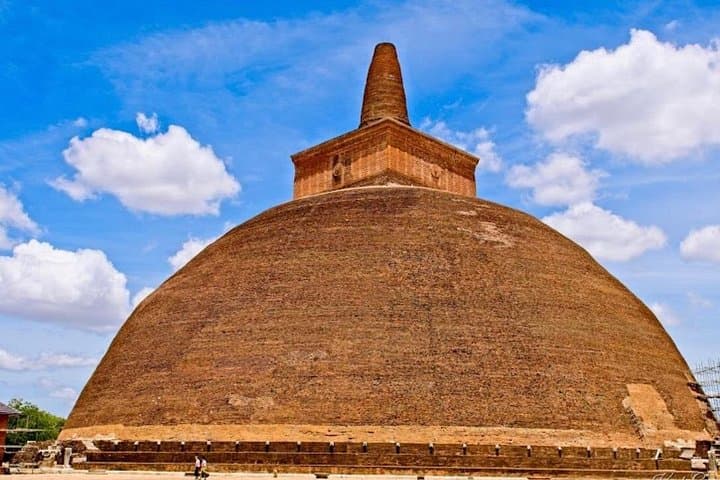
Late afternoon light softens the ancient brickwork as the coach eases into the wide plains north of Sri Lanka’s cultural heart. Palm shadows lengthen across tank walls while pilgrims in white move calmly between stupas; the air carries dust, incense and the distant call of birds.
Verified experiences and guided adventures in the surrounding area.
Operated by Travel With Lampa · Anuradhapura, North Central Province
Late afternoon light softens the ancient brickwork as the coach eases into the wide plains north of Sri Lanka’s cultural heart. Palm shadows lengthen across tank walls while pilgrims in white move calmly between stupas; the air carries dust, incense and the distant call of birds.
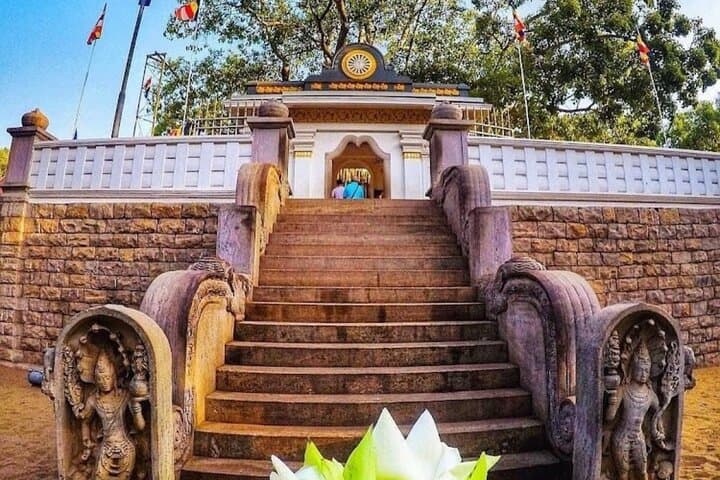
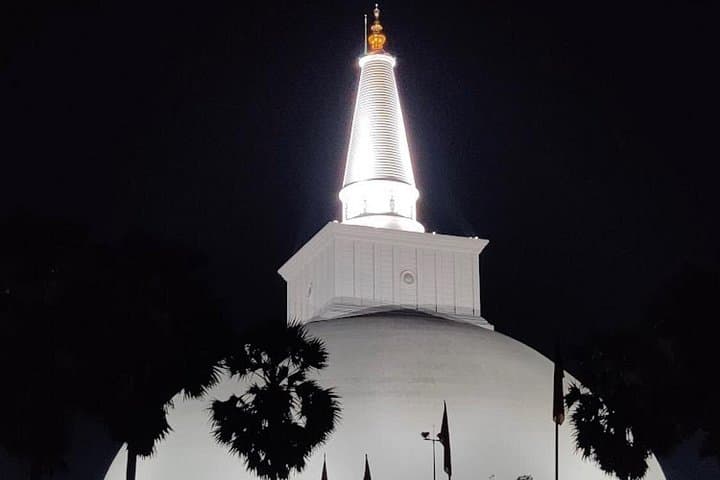
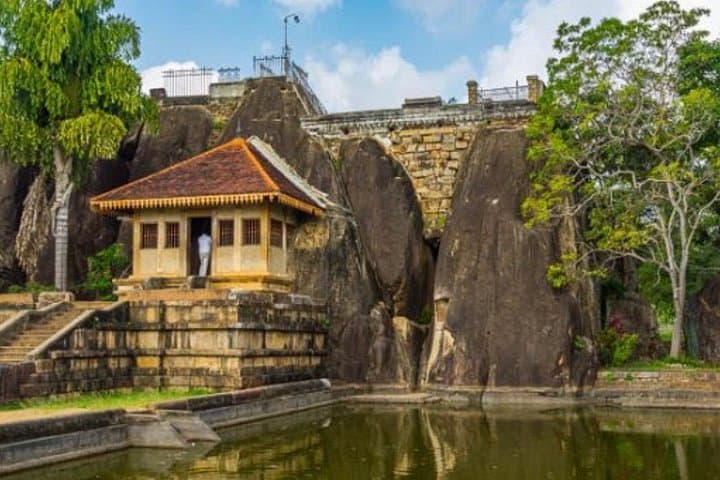
Anuradhapura was the island’s primary capital for centuries, the living record of Sinhala statecraft and irrigation innovation. Around it are the Ruwanwelisaya stupa, the sacred Sri Maha Bodhi fig, and the ruined monasteries that reveal a civilization built on engineered reservoirs and monsoon timing. A short drive east, Mihintale rises from the plains — a rocky hill where tradition says Buddhism was first presented to the island by the monk Mahinda.
Geologically the area is low, dry-zone bedrock interrupted by ancient manmade tanks; soils are red and the light is hard, which shapes the colors you’ll see at sunset. Culturally the day blends ritual and archaeology: expect brief ceremonies, quiet temple etiquette and simple roadside foods.
Practical guidance: the itinerary typically covers 2–4 km of walking through uneven ruins and a climb at Mihintale of roughly 300 stone steps with around 100–150 m of elevation gain to the summit shrine. Wear sturdy walking shoes, bring at least 1–2 liters of water, sun protection and a scarf for temple shoulders. Plan to start late afternoon to reach Mihintale for sunset; steps can be steep and slippery when wet. Photography is excellent in the golden hour, but remain respectful during rituals and follow guide directions to protect fragile sites.
easy.
6–8 hours.
Light to moderate fitness; able to walk 2–4 km on uneven surfaces and climb several hundred stone steps.
Expect a 6–8 hour private day with several short stops for photos and a moderate pace of walking through archaeological sites and a timed climb at Mihintale.
Some areas and surfaces in Anuradhapura have wheelchair-accessible paths, but many ruins and the Mihintale summit involve steps or uneven terrain not suitable for wheelchairs.
Yes—most temples require shoes to be removed and modest dress observed; bring socks if you prefer not to be barefoot on hot ground.
Light snacks are commonly included on organized tours; full meals may not be, so check your tour details and bring extra snacks if you have dietary needs.
Anuradhapura served as Sri Lanka’s capital for over a millennium and was central to early hydraulic engineering; Mihintale is traditionally where Buddhism was formally introduced to the island.
The ruins are fragile—stick to marked paths, avoid touching brittle carvings and respect temple practices; limiting single-use plastics and staying on trails reduces damage to archaeological soils.
Travel With Lampa operates guided outdoor trips and adventures with an emphasis on safety, stewardship, and memorable experiences.
Late afternoon light softens the ancient brickwork as the coach eases into the wide plains north of Sri Lanka’s cultural heart. Palm shadows lengthen across tank walls while pilgrims in white move calmly between stupas; the air carries dust, incense and the distant call of birds.
Late afternoon light softens the ancient brickwork as the coach eases into the wide plains north of Sri Lanka’s cultural heart. Palm shadows lengthen across tank walls while pilgrims in white move calmly between stupas; the air carries dust, incense and the distant call of birds.
Anuradhapura was the island’s primary capital for centuries, the living record of Sinhala statecraft and irrigation innovation. Around it are the Ruwanwelisaya stupa, the sacred Sri Maha Bodhi fig, and the ruined monasteries that reveal a civilization built on engineered reservoirs and monsoon timing. A short drive east, Mihintale rises from the plains — a rocky hill where tradition says Buddhism was first presented to the island by the monk Mahinda.
Geologically the area is low, dry-zone bedrock interrupted by ancient manmade tanks; soils are red and the light is hard, which shapes the colors you’ll see at sunset. Culturally the day blends ritual and archaeology: expect brief ceremonies, quiet temple etiquette and simple roadside foods.
Practical guidance: the itinerary typically covers 2–4 km of walking through uneven ruins and a climb at Mihintale of roughly 300 stone steps with around 100–150 m of elevation gain to the summit shrine. Wear sturdy walking shoes, bring at least 1–2 liters of water, sun protection and a scarf for temple shoulders. Plan to start late afternoon to reach Mihintale for sunset; steps can be steep and slippery when wet. Photography is excellent in the golden hour, but remain respectful during rituals and follow guide directions to protect fragile sites.