THE ADVENTURE COLLECTIVE® · Independent discovery and booking for outdoor travel

An easy half-day from Da Nang that pairs the limestone caves and pagodas of Marble Mountains with an evening in Hoi An's lantern-lit streets. Expect stairs, artisan workshops, and a riverfront sunset with local food.
An easy half-day from Da Nang that pairs the limestone caves and pagodas of Marble Mountains with an evening in Hoi An's lantern-lit streets. Expect stairs, artisan workshops, and a riverfront sunset with local food.
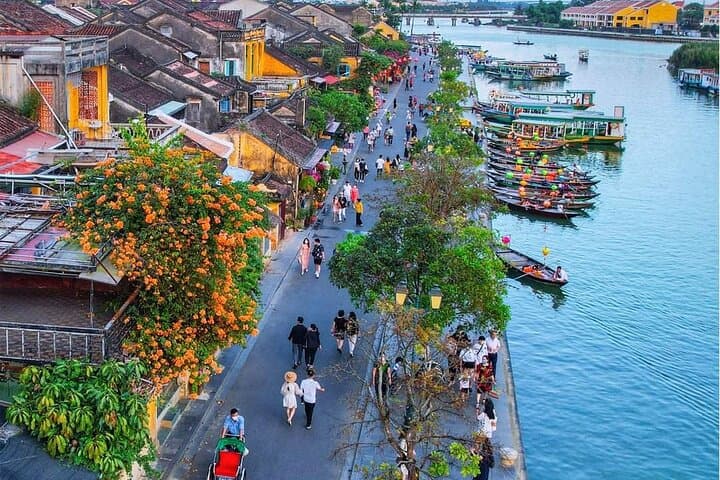
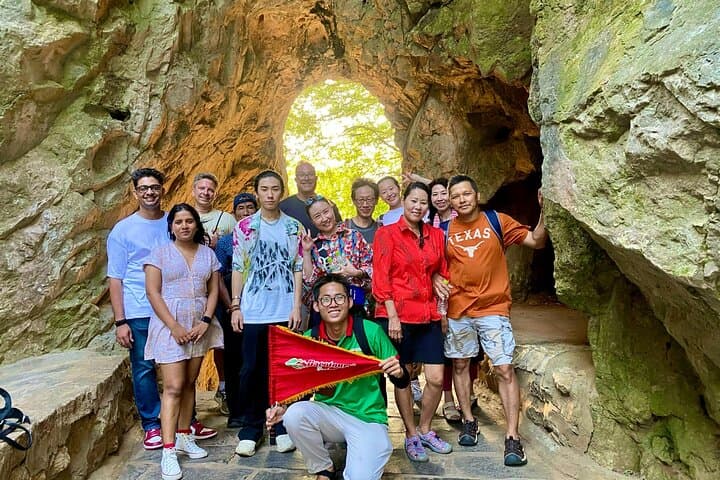
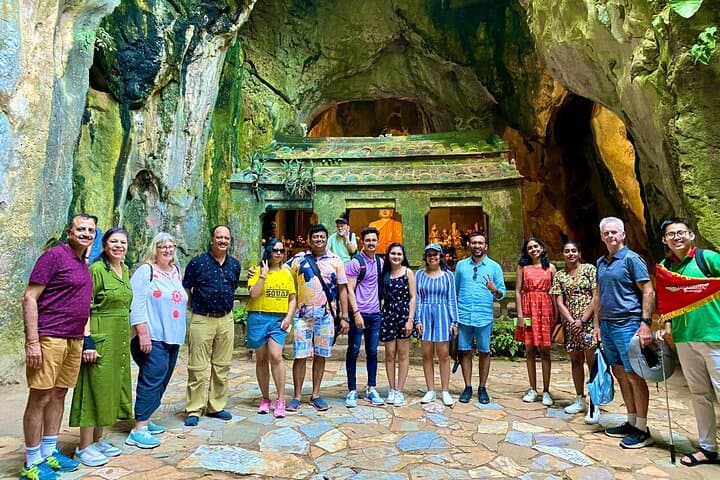
Late afternoon heat gives way to cooler air as the coach slips past coastal rice fields and the limestone spines of Marble Mountains come into view. You step out beneath a cluster of caves and pagodas: stone stairs cut into the slope, incense drifting from small shrines, and a broad vista that angles toward China Beach and the South China Sea. The light softens; by the time the group reaches Hoi An's old quarter, paper lanterns begin to glow along the Thu Bon River.
Verified experiences and guided adventures in the surrounding area.
Operated by Dacotours Co.,Ltd · Da Nang, Da Nang
Late afternoon heat gives way to cooler air as the coach slips past coastal rice fields and the limestone spines of Marble Mountains come into view. You step out beneath a cluster of caves and pagodas: stone stairs cut into the slope, incense drifting from small shrines, and a broad vista that angles toward China Beach and the South China Sea. The light softens; by the time the group reaches Hoi An's old quarter, paper lanterns begin to glow along the Thu Bon River.
Geology here is blunt and local — five marble and limestone hills worn by monsoon and human hands into caverns and terraces. Marble Mountain's caves preserve small temples and Buddhist carvings; the stone-carving villages nearby keep a centuries-old craft alive, producing everything from Champa-style statues to modern décor. Hoi An, once a busy trading port between the 15th and 19th centuries, wears Chinese, Japanese and French architectural echoes in its wooden shop-houses and the covered Japanese Bridge.
Practically, expect short stair climbs, uneven steps in caves, and concentrated walking in Hoi An's narrow lanes. The tour includes entry fees, a local English-speaking guide, bottled water, and a Vietnamese dinner. Aim to arrive with comfortable shoes, a light layer for breezy evenings, and a camera for low-angle light on carved stone and river reflections. Sunset in Hoi An is about timing — arrive early to claim a riverfront view and be ready to move slowly; the town rewards patience with quiet alleys, street food stalls, and the slow flicker of lanterns.
easy.
4–6 hours.
Light to moderate fitness; walking and climbing short flights of steps, no technical climbing required
Yes—two-way hotel transfer from Da Nang city center is included; confirm your pickup point when booking.
Admissions for Marble Mountains and Hoi An and a Vietnamese dinner are included in the tour price as described.
The operator lists wheelchair-accessible options, but Marble Mountains cave areas have stairs—check specific accessibility needs in advance.
The group is capped (around 22 travelers); small-group dynamics mean some walking and waiting for viewpoints.
Hoi An was a major Southeast Asian trading port from the 15th–19th centuries; Marble Mountains has been a religious and material resource site with Cham and Vietnamese significance.
Both sites manage rising visitor numbers—stick to marked paths, avoid climbing on carvings, and support local artisans by buying responsibly sourced crafts.
Dacotours Co.,Ltd operates guided outdoor trips and adventures with an emphasis on safety, stewardship, and memorable experiences.

Late afternoon heat gives way to cooler air as the coach slips past coastal rice fields and the limestone spines of Marble Mountains come into view. You step out beneath a cluster of caves and pagodas: stone stairs cut into the slope, incense drifting from small shrines, and a broad vista that angles toward China Beach and the South China Sea. The light softens; by the time the group reaches Hoi An's old quarter, paper lanterns begin to glow along the Thu Bon River.
Late afternoon heat gives way to cooler air as the coach slips past coastal rice fields and the limestone spines of Marble Mountains come into view. You step out beneath a cluster of caves and pagodas: stone stairs cut into the slope, incense drifting from small shrines, and a broad vista that angles toward China Beach and the South China Sea. The light softens; by the time the group reaches Hoi An's old quarter, paper lanterns begin to glow along the Thu Bon River.
Geology here is blunt and local — five marble and limestone hills worn by monsoon and human hands into caverns and terraces. Marble Mountain's caves preserve small temples and Buddhist carvings; the stone-carving villages nearby keep a centuries-old craft alive, producing everything from Champa-style statues to modern décor. Hoi An, once a busy trading port between the 15th and 19th centuries, wears Chinese, Japanese and French architectural echoes in its wooden shop-houses and the covered Japanese Bridge.
Practically, expect short stair climbs, uneven steps in caves, and concentrated walking in Hoi An's narrow lanes. The tour includes entry fees, a local English-speaking guide, bottled water, and a Vietnamese dinner. Aim to arrive with comfortable shoes, a light layer for breezy evenings, and a camera for low-angle light on carved stone and river reflections. Sunset in Hoi An is about timing — arrive early to claim a riverfront view and be ready to move slowly; the town rewards patience with quiet alleys, street food stalls, and the slow flicker of lanterns.