THE ADVENTURE COLLECTIVE® · Independent discovery and booking for outdoor travel

Climb Mount Sinai with a Bedouin guide, camp near the summit, and watch sunrise before descending to visit the ancient St. Catherine’s Monastery. This overnight hike pairs high desert scenery with centuries of history.
Climb Mount Sinai with a Bedouin guide, camp near the summit, and watch sunrise before descending to visit the ancient St. Catherine’s Monastery. This overnight hike pairs high desert scenery with centuries of history.
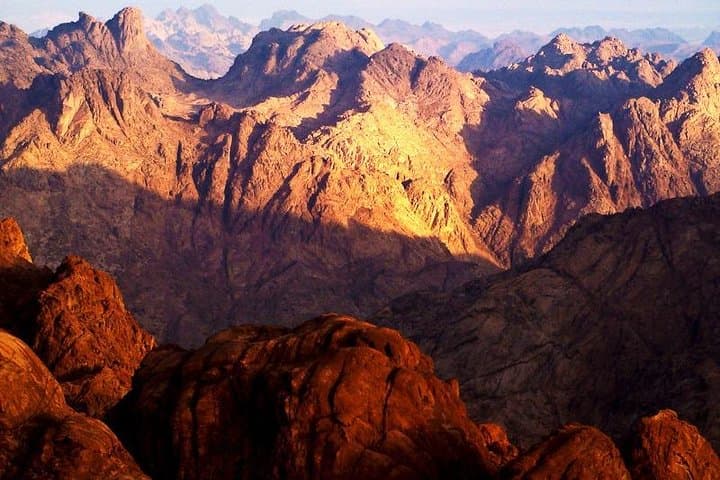
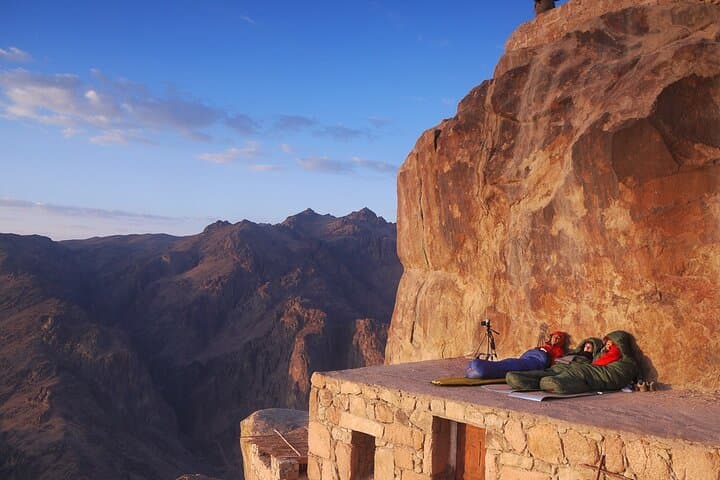
The trek begins with low, dry light across a granite sweep as you climb from the trailhead toward Jebel Musa. By late afternoon the rocks throw long shadows and the wind seems to urge you onward; Bedouin guides set a tent near the summit, and the desert sky darkens into a dense field of stars.
Verified experiences and guided adventures in the surrounding area.
Operated by Dahab Safari Day Tours · Saint Catherine, South Sinai Governorate
The trek begins with low, dry light across a granite sweep as you climb from the trailhead toward Jebel Musa. By late afternoon the rocks throw long shadows and the wind seems to urge you onward; Bedouin guides set a tent near the summit, and the desert sky darkens into a dense field of stars.
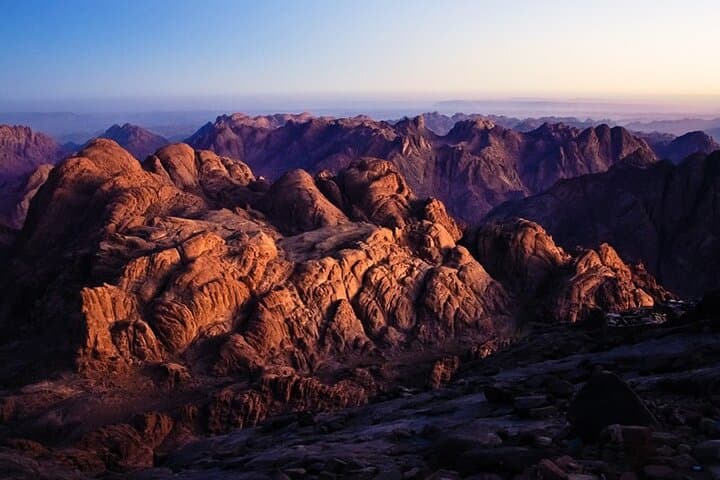
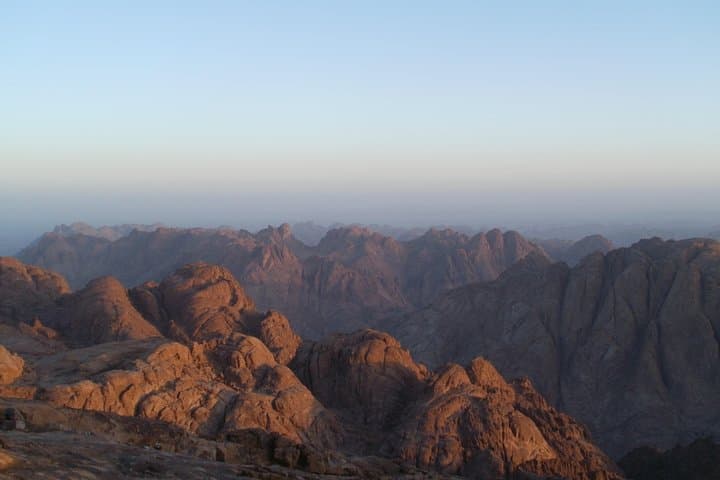
This route crosses ancient geology—eroded Precambrian granites carved into ridges and gullies—and sits in the heart of the Sinai, a landscape layered with Abrahamic history. St. Catherine’s Monastery below stands walled and stone-built since the 6th century, guarding icons and the site traditionally linked to the Burning Bush. Cultural encounters with local Bedouin add context: stories, tea, and practical knowledge of the terrain.
Expect steep stone steps, loose scree and narrow switchbacks on the ascent and a relatively exposed summit at 2,285 meters (Moses Mountain is listed at c. 2,285 m; the monastery sits near 1,570 m). The overnight element means a late sunset descent is replaced by a slow, cold dawn ascent to watch the sun spill over ridgelines; a light camp setup in a Bedouin tent provides shelter and dinner.
Practical advice: carry a warm layer for summit night temperatures, a headlamp for pre-dawn movement, and sturdy boots with good grip for rocky footing. Hydrate before you start—water is limited on the route—and allow time for a measured, steady pace; the descent continues to the monastery where guided access, mosaics and the famous icon collection reward the effort. Transfers from Sharm el Sheikh are by air-conditioned vehicle, making this an accessible but purposeful overnight alpine-desert experience.
challenging.
14–24 hours.
Good aerobic fitness and comfort on sustained uphill and uneven rocky terrain; able to hike several hours with a pack.
The ascent involves steep stone steps and uneven trails—expect several hours of sustained uphill effort; a moderate to good fitness level is recommended.
Yes — the trip includes an overnight in a Bedouin tent with blankets, dinner, and breakfast on the mountain as described in the itinerary.
Admission to the monastery is included in the tour; visitors can see the chapel, icon collection and the site associated with the Burning Bush subject to monastery hours and access rules.
Bedouin guides with local route knowledge accompany the hike; while routes are routinely traveled, the summit area is exposed—proper gear and following the guide’s instructions keep the experience safe.
St. Catherine’s Monastery was established in the 6th century under Emperor Justinian and later named for Saint Catherine in the 11th century; it’s a UNESCO World Heritage Site.
The fragile high-desert ecosystem and archaeological sites require low-impact travel—stay on trails, pack out waste, and follow guides’ instructions to minimize erosion and disturbance.
Dahab Safari Day Tours operates guided outdoor trips and adventures with an emphasis on safety, stewardship, and memorable experiences.
The trek begins with low, dry light across a granite sweep as you climb from the trailhead toward Jebel Musa. By late afternoon the rocks throw long shadows and the wind seems to urge you onward; Bedouin guides set a tent near the summit, and the desert sky darkens into a dense field of stars.
The trek begins with low, dry light across a granite sweep as you climb from the trailhead toward Jebel Musa. By late afternoon the rocks throw long shadows and the wind seems to urge you onward; Bedouin guides set a tent near the summit, and the desert sky darkens into a dense field of stars.
This route crosses ancient geology—eroded Precambrian granites carved into ridges and gullies—and sits in the heart of the Sinai, a landscape layered with Abrahamic history. St. Catherine’s Monastery below stands walled and stone-built since the 6th century, guarding icons and the site traditionally linked to the Burning Bush. Cultural encounters with local Bedouin add context: stories, tea, and practical knowledge of the terrain.
Expect steep stone steps, loose scree and narrow switchbacks on the ascent and a relatively exposed summit at 2,285 meters (Moses Mountain is listed at c. 2,285 m; the monastery sits near 1,570 m). The overnight element means a late sunset descent is replaced by a slow, cold dawn ascent to watch the sun spill over ridgelines; a light camp setup in a Bedouin tent provides shelter and dinner.
Practical advice: carry a warm layer for summit night temperatures, a headlamp for pre-dawn movement, and sturdy boots with good grip for rocky footing. Hydrate before you start—water is limited on the route—and allow time for a measured, steady pace; the descent continues to the monastery where guided access, mosaics and the famous icon collection reward the effort. Transfers from Sharm el Sheikh are by air-conditioned vehicle, making this an accessible but purposeful overnight alpine-desert experience.