THE ADVENTURE COLLECTIVE® · Independent discovery and booking for outdoor travel

Ride camels into the Thar at dusk, watch the sun cleanly drop behind sand waves, then eat a campfire dinner prepared by local herders. This evening safari mixes short jeep stops, a two-hour camel trek and a communal desert meal.
Ride camels into the Thar at dusk, watch the sun cleanly drop behind sand waves, then eat a campfire dinner prepared by local herders. This evening safari mixes short jeep stops, a two-hour camel trek and a communal desert meal.
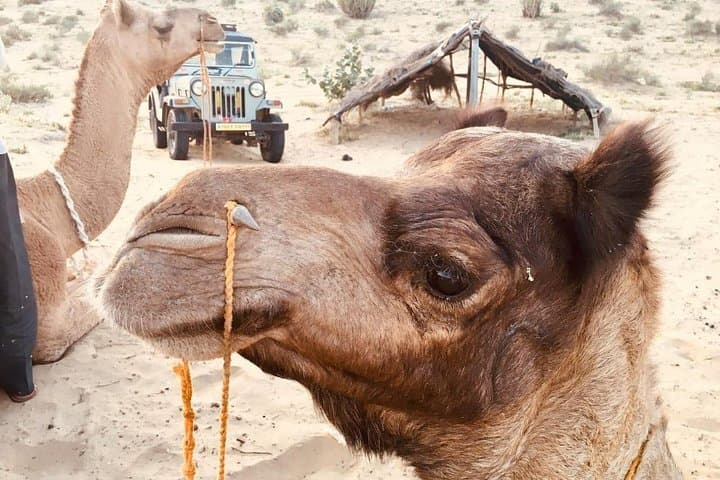
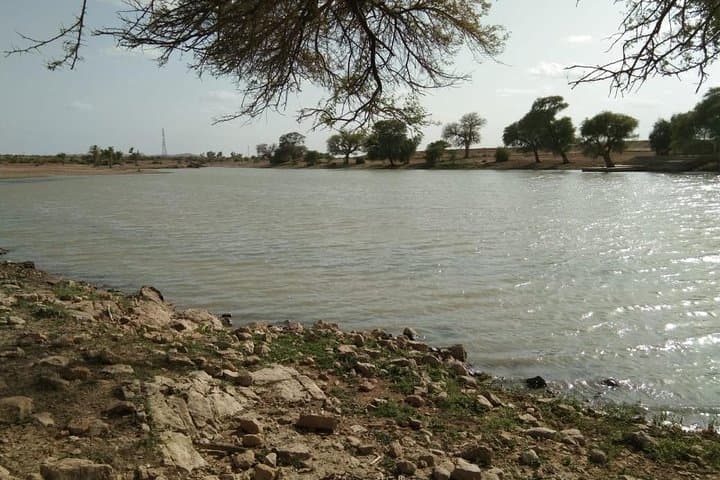
The jeep eases out of town as late afternoon light hunts across the Thar; wind throws grains of sand that feel like tiny questions against the windshield. You stop first at Jassery, a man-made lake rimmed with scrub where peacocks sometimes preen, then climb toward Khaba Fort to look back at the empty city and the flat, stitched fields beyond. By 5pm you reach Camel Point and mount a slow, steady companion for a two-hour trek across dunes that rise and fall like parked ocean waves.
Verified experiences and guided adventures in the surrounding area.
Operated by Shree Ganesham Tour · Jaisalmer, Rajasthan
The jeep eases out of town as late afternoon light hunts across the Thar; wind throws grains of sand that feel like tiny questions against the windshield. You stop first at Jassery, a man-made lake rimmed with scrub where peacocks sometimes preen, then climb toward Khaba Fort to look back at the empty city and the flat, stitched fields beyond. By 5pm you reach Camel Point and mount a slow, steady companion for a two-hour trek across dunes that rise and fall like parked ocean waves.
This stretch of the Thar is geological plain turned sculpted sand—old alluvial fans cut by seasonal drains, dotted with artificial waterworks that support village agriculture. Jaisalmer’s history as a caravan town still hums here; local culture blends Rajput architecture and nomadic desert traditions, and campfire cooking preserves techniques used by camel herders for generations.
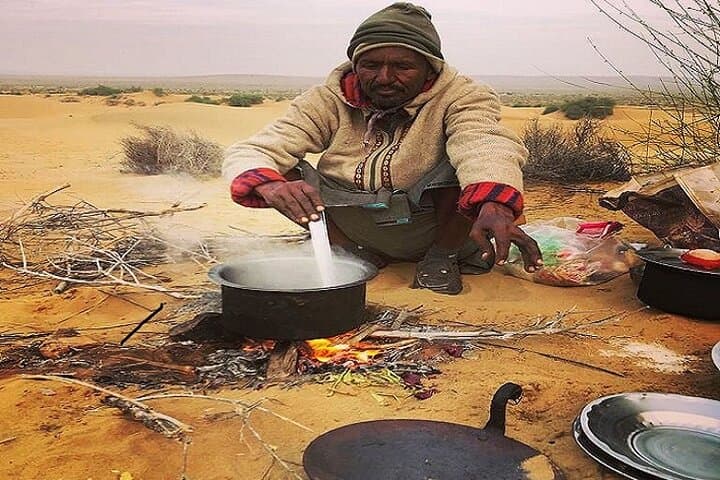
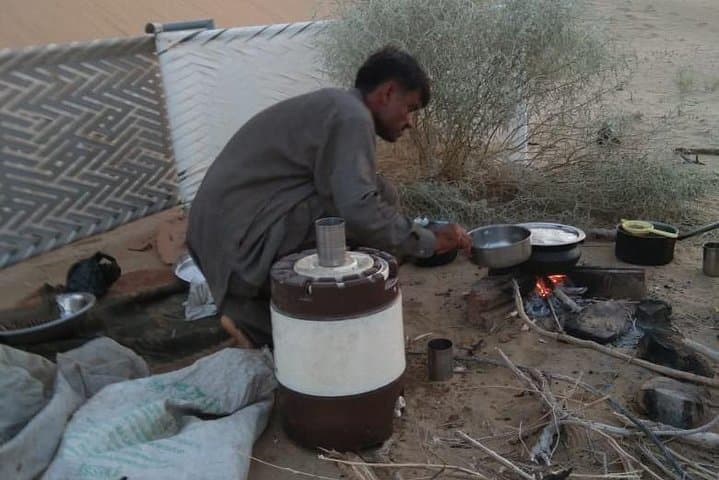
Expect the rhythm of the desert to set your pace: the camel’s sway, the jeep’s thump, the sky swallowing the sun in clean, unambiguous color. At camp you’ll share dal, mixed vegetables, rice and chapati cooked over open flame, and may be invited to help with the bonfire cooking.
Practical notes: pickups are mid-afternoon, wear closed-toe shoes and sun protection, carry water and a light layer for the cool evening. Respect local customs at camps, follow guides’ safety briefings for camel rides, and plan return transit—most tours bring you back to Jaisalmer by nightfall.
moderate.
3–6 hours.
Moderate fitness: able to mount a camel, walk short sandy sections, and sit for extended periods during the ride.
The camel ride portion is about two hours across sand dunes from Camel Point to the camp area.
Yes; the meal typically includes snacks, dal, mixed vegetables, rice, chapati, tea and coffee, prepared over a campfire by local hosts.
Local operators often request ID details at booking; bring a government photo ID for check-in and any booking confirmations.
Not recommended for pregnant travelers or those with spinal or serious heart conditions; children may participate but consider the camel ride’s duration and comfort.
Jaisalmer grew as a caravan and trading hub; nearby man-made lakes and forts reflect centuries of water management and defensive architecture.
The Thar is an arid ecosystem sensitive to trampling and campfire impact—stick to designated paths, avoid nocturnal disturbance, and take all waste back to town.
Shree Ganesham Tour operates guided outdoor trips and adventures with an emphasis on safety, stewardship, and memorable experiences.
The jeep eases out of town as late afternoon light hunts across the Thar; wind throws grains of sand that feel like tiny questions against the windshield. You stop first at Jassery, a man-made lake rimmed with scrub where peacocks sometimes preen, then climb toward Khaba Fort to look back at the empty city and the flat, stitched fields beyond. By 5pm you reach Camel Point and mount a slow, steady companion for a two-hour trek across dunes that rise and fall like parked ocean waves.
The jeep eases out of town as late afternoon light hunts across the Thar; wind throws grains of sand that feel like tiny questions against the windshield. You stop first at Jassery, a man-made lake rimmed with scrub where peacocks sometimes preen, then climb toward Khaba Fort to look back at the empty city and the flat, stitched fields beyond. By 5pm you reach Camel Point and mount a slow, steady companion for a two-hour trek across dunes that rise and fall like parked ocean waves.
This stretch of the Thar is geological plain turned sculpted sand—old alluvial fans cut by seasonal drains, dotted with artificial waterworks that support village agriculture. Jaisalmer’s history as a caravan town still hums here; local culture blends Rajput architecture and nomadic desert traditions, and campfire cooking preserves techniques used by camel herders for generations.
Expect the rhythm of the desert to set your pace: the camel’s sway, the jeep’s thump, the sky swallowing the sun in clean, unambiguous color. At camp you’ll share dal, mixed vegetables, rice and chapati cooked over open flame, and may be invited to help with the bonfire cooking.
Practical notes: pickups are mid-afternoon, wear closed-toe shoes and sun protection, carry water and a light layer for the cool evening. Respect local customs at camps, follow guides’ safety briefings for camel rides, and plan return transit—most tours bring you back to Jaisalmer by nightfall.