THE ADVENTURE COLLECTIVE® · Independent discovery and booking for outdoor travel

Join local guides at dusk to name and release newborn sea turtles on a protected Oaxaca beach. The two-hour experience includes an educational talk, careful handling protocols, and a guided walk to the surf for an intimate conservation moment.
Join local guides at dusk to name and release newborn sea turtles on a protected Oaxaca beach. The two-hour experience includes an educational talk, careful handling protocols, and a guided walk to the surf for an intimate conservation moment.
The sun lowers behind a low, wind-scoured horizon and the sand cools underfoot as guides at a small turtle camp gather the group for a short talk. Salt air presses against your face; the ocean's last light seems to dare the tiny, flippered travelers edging toward it. You’ll hold a newborn turtle — often an olive ridley — name it, and walk with local stewards to the water’s edge to watch the first frantic, sideways sprints to the surf.
Verified experiences and guided adventures in the surrounding area.
Operated by Puerto Escondido Secreto · Puerto Escondido, Oaxaca
The sun lowers behind a low, wind-scoured horizon and the sand cools underfoot as guides at a small turtle camp gather the group for a short talk. Salt air presses against your face; the ocean's last light seems to dare the tiny, flippered travelers edging toward it. You’ll hold a newborn turtle — often an olive ridley — name it, and walk with local stewards to the water’s edge to watch the first frantic, sideways sprints to the surf.
Oaxaca’s Pacific coast has hosted beach-nesting turtles for generations. Local camps and conservation groups grew from community efforts to protect nests from poaching and predation, turning cultural respect for the sea into active stewardship. Geologically, the beaches here are broad, flat sand spits shaped by seasonal currents and offshore reefs that influence hatchling drift.
Expect a short, educational briefing about species identification, threats, and how local programs use volunteer support and donations. Guides enforce low-light rules and careful handling to maximize hatchling survival — no flash photography and minimal shore disturbance are standard.
Practical guidance: arrive with closed-toe shoes for walking on cool, uneven sand; bring a small headlamp with a red filter or use phone light per guide instructions. Dress for coastal breeze and possible mist from surf; insect repellent helps at dusk. The whole experience runs about two hours and is family-friendly, though mobility limitations on soft sand can affect access. Follow instructions, keep voices low, and leave no trace — your presence supports local conservation while giving you a front-row view of a critical, fragile beginning.
easy.
2 hours.
Suitable for most fitness levels; requires short walk on soft sand which can be tiring for some.
Yes—it's family-friendly; children should be supervised closely and follow guide instructions during handling and the beach walk.
Photography is usually allowed but no flash or bright lights; follow guide rules to avoid disorienting hatchlings.
Releases depend on nesting and hatching schedules; tours operate when hatchlings are available, and guides will confirm availability at booking.
No—handling is controlled by guides to minimize stress and disease transfer; participants may be allowed brief, guided contact for naming before the release.
Local communities along Oaxaca’s coast developed nest-protection programs in recent decades to combat historical egg harvesting, turning traditional coastal livelihoods toward conservation tourism.
Support the program by following low-light rules, avoiding litter, and considering a small donation; these measures directly increase hatchling survival and fund patrols.
Puerto Escondido Secreto operates guided outdoor trips and adventures with an emphasis on safety, stewardship, and memorable experiences.
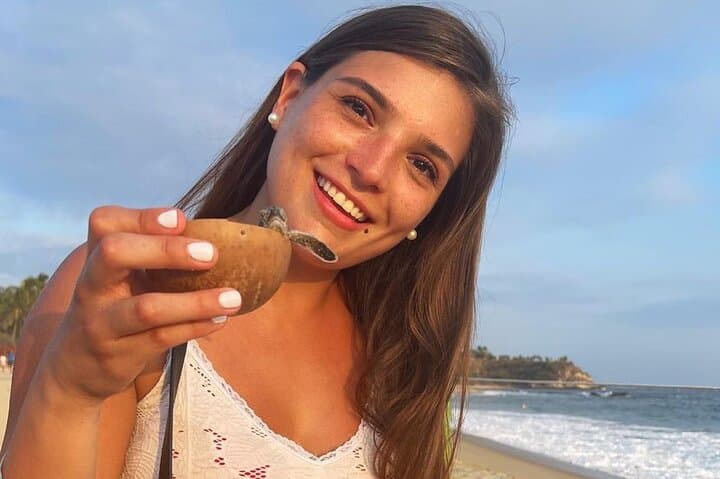
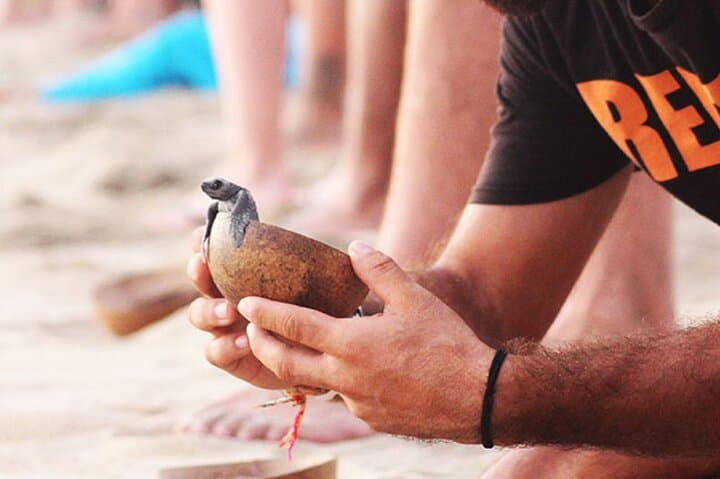
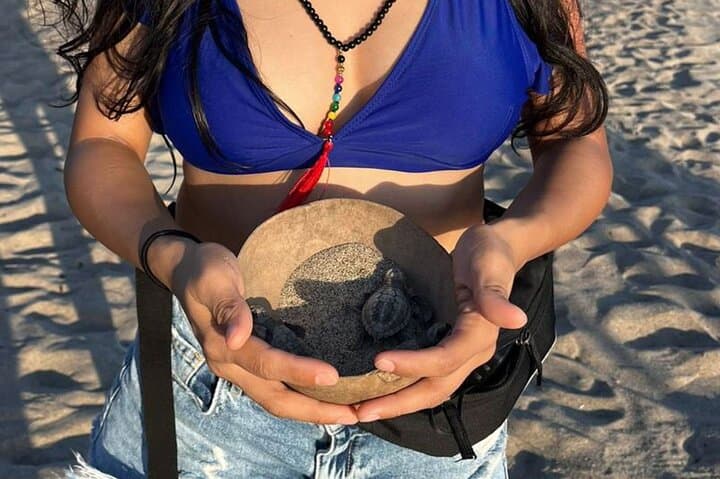
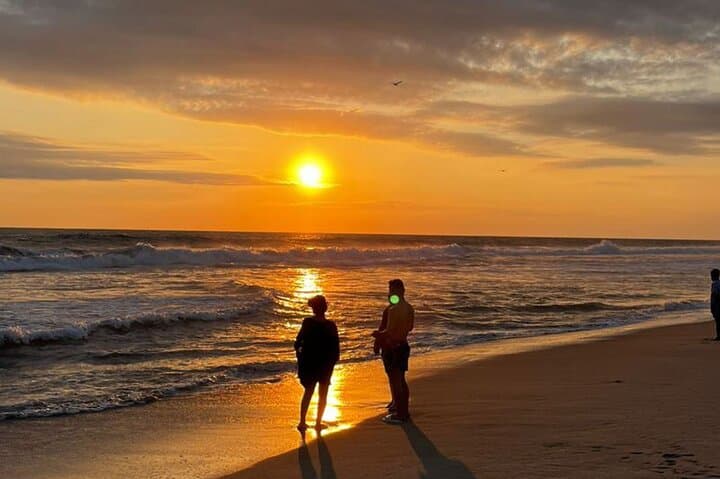
The sun lowers behind a low, wind-scoured horizon and the sand cools underfoot as guides at a small turtle camp gather the group for a short talk. Salt air presses against your face; the ocean's last light seems to dare the tiny, flippered travelers edging toward it. You’ll hold a newborn turtle — often an olive ridley — name it, and walk with local stewards to the water’s edge to watch the first frantic, sideways sprints to the surf.
The sun lowers behind a low, wind-scoured horizon and the sand cools underfoot as guides at a small turtle camp gather the group for a short talk. Salt air presses against your face; the ocean's last light seems to dare the tiny, flippered travelers edging toward it. You’ll hold a newborn turtle — often an olive ridley — name it, and walk with local stewards to the water’s edge to watch the first frantic, sideways sprints to the surf.
Oaxaca’s Pacific coast has hosted beach-nesting turtles for generations. Local camps and conservation groups grew from community efforts to protect nests from poaching and predation, turning cultural respect for the sea into active stewardship. Geologically, the beaches here are broad, flat sand spits shaped by seasonal currents and offshore reefs that influence hatchling drift.
Expect a short, educational briefing about species identification, threats, and how local programs use volunteer support and donations. Guides enforce low-light rules and careful handling to maximize hatchling survival — no flash photography and minimal shore disturbance are standard.
Practical guidance: arrive with closed-toe shoes for walking on cool, uneven sand; bring a small headlamp with a red filter or use phone light per guide instructions. Dress for coastal breeze and possible mist from surf; insect repellent helps at dusk. The whole experience runs about two hours and is family-friendly, though mobility limitations on soft sand can affect access. Follow instructions, keep voices low, and leave no trace — your presence supports local conservation while giving you a front-row view of a critical, fragile beginning.