THE ADVENTURE COLLECTIVE® · Independent discovery and booking for outdoor travel

Join biologists at sunset to help baby sea turtles make their first dash to the Pacific. This short, hands-on conservation experience mixes beach ecology, local stewardship, and a memorable wildlife encounter.
Join biologists at sunset to help baby sea turtles make their first dash to the Pacific. This short, hands-on conservation experience mixes beach ecology, local stewardship, and a memorable wildlife encounter.
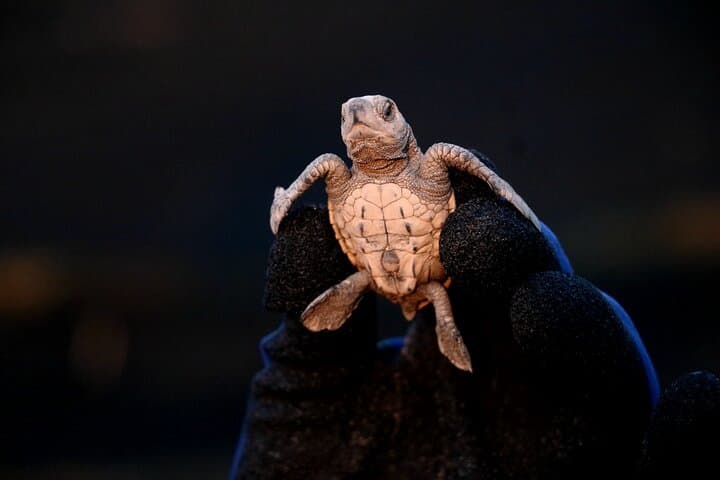
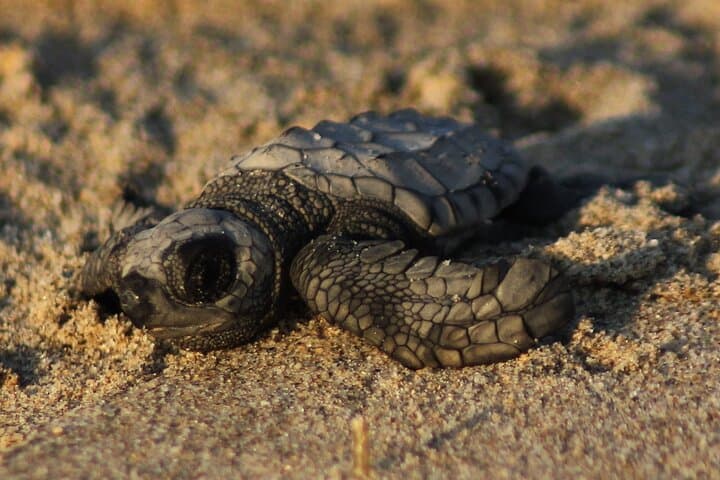
The sun lowers over the Bay of Banderas, turning the surf to burnished metal as a small convoy of visitors and a bilingual biologist step onto warm sand. You follow a short, easy shore walk past scruffy mangrove edges and loose volcanic pebbles until a low camp of buckets and data sheets appears. At dusk, the ocean seems to call the hatchlings forward; the tiny turtles sense the horizon and surge as the last light fades.
Verified experiences and guided adventures in the surrounding area.
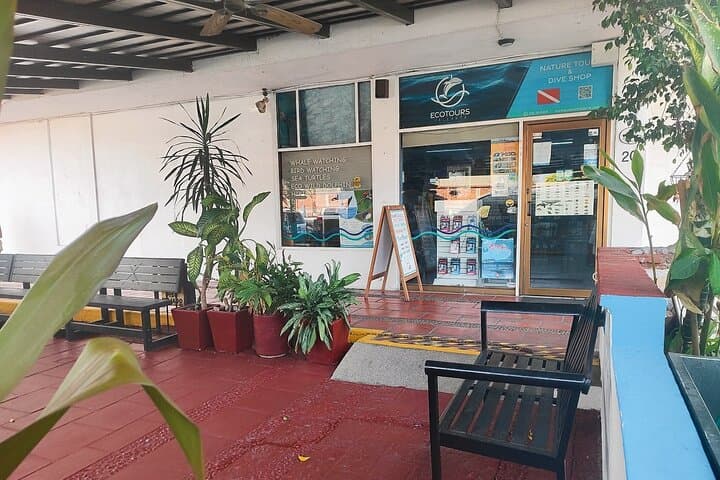
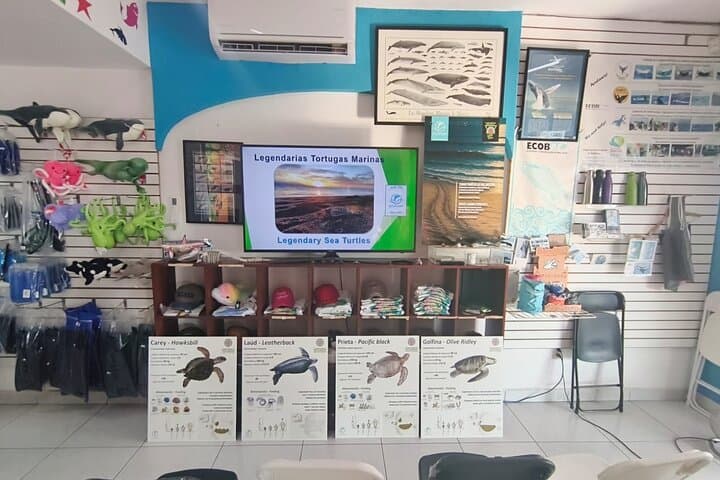
Operated by ECOTOURS VALLARTA · Puerto Vallarta, Jalisco
The sun lowers over the Bay of Banderas, turning the surf to burnished metal as a small convoy of visitors and a bilingual biologist step onto warm sand. You follow a short, easy shore walk past scruffy mangrove edges and loose volcanic pebbles until a low camp of buckets and data sheets appears. At dusk, the ocean seems to call the hatchlings forward; the tiny turtles sense the horizon and surge as the last light fades.
This stretch of Jalisco coast sits on recent volcanic soils that erode into dark, grainy beaches, habitat for olive ridley and other Pacific species. Local fishing communities and conservation groups have run voluntary nest-monitoring programs for decades; tonight’s release is the product of that grassroots effort. Mangroves nearby act like coastal gatekeepers, filtering runoff and supporting juvenile fish that sustain the local fishery.
Expect an educational talk from trained staff about nesting cycles, predation pressures and the role of community stewardship before you handle any hatchlings. The experience is deliberately low-impact: no flash photography, gentle hands, and guided placement of hatchlings toward the sea.
Practicalities: the tour lasts about two hours with a ten-minute beach walk on soft sand and some loose gravel. Bring a small headlamp with a red filter, closed-toe shoes you don’t mind getting sandy, and a lightweight layer for breezy evenings. Be prepared to follow directions closely—protecting hatchlings is the point. If hatchlings aren’t available your operator will re-schedule; otherwise, this is a rare, intimate encounter that supports ongoing coastal conservation.
easy.
2 hours.
Suitable for most fitness levels; participants should be able to walk about 1 mile on sand and loose gravel.
No—hatchling availability depends on natural timing; operators will re-schedule if no hatchlings are present or offer alternatives.
Yes—children are welcome but parents should assist kids under 7 and ensure they follow handling rules; all must be able to walk on sand.
Only when directed by biologists; handling is limited and supervised to protect the hatchlings and gather conservation data.
Photography is allowed but flash is prohibited; use red-filtered lights and follow guide instructions to avoid disturbing animals.
Local fishing towns have partnered with conservation groups for decades to protect nesting sites; community-run hatcheries and monitoring are common.
Tours enforce no-flash policies and guided handling to minimize impact; supporting licensed programs directs funds to nest protection and local stewardship.
ECOTOURS VALLARTA operates guided outdoor trips and adventures with an emphasis on safety, stewardship, and memorable experiences.
The sun lowers over the Bay of Banderas, turning the surf to burnished metal as a small convoy of visitors and a bilingual biologist step onto warm sand. You follow a short, easy shore walk past scruffy mangrove edges and loose volcanic pebbles until a low camp of buckets and data sheets appears. At dusk, the ocean seems to call the hatchlings forward; the tiny turtles sense the horizon and surge as the last light fades.
The sun lowers over the Bay of Banderas, turning the surf to burnished metal as a small convoy of visitors and a bilingual biologist step onto warm sand. You follow a short, easy shore walk past scruffy mangrove edges and loose volcanic pebbles until a low camp of buckets and data sheets appears. At dusk, the ocean seems to call the hatchlings forward; the tiny turtles sense the horizon and surge as the last light fades.
This stretch of Jalisco coast sits on recent volcanic soils that erode into dark, grainy beaches, habitat for olive ridley and other Pacific species. Local fishing communities and conservation groups have run voluntary nest-monitoring programs for decades; tonight’s release is the product of that grassroots effort. Mangroves nearby act like coastal gatekeepers, filtering runoff and supporting juvenile fish that sustain the local fishery.
Expect an educational talk from trained staff about nesting cycles, predation pressures and the role of community stewardship before you handle any hatchlings. The experience is deliberately low-impact: no flash photography, gentle hands, and guided placement of hatchlings toward the sea.
Practicalities: the tour lasts about two hours with a ten-minute beach walk on soft sand and some loose gravel. Bring a small headlamp with a red filter, closed-toe shoes you don’t mind getting sandy, and a lightweight layer for breezy evenings. Be prepared to follow directions closely—protecting hatchlings is the point. If hatchlings aren’t available your operator will re-schedule; otherwise, this is a rare, intimate encounter that supports ongoing coastal conservation.