THE ADVENTURE COLLECTIVE® · Independent discovery and booking for outdoor travel

Join a guided dusk walk on Puerto Vallarta’s coast to participate in a supervised sea turtle release. Learn about nesting cycles, local conservation efforts, and practical ways to reduce human impact while watching hatchlings begin their ocean journey.
Join a guided dusk walk on Puerto Vallarta’s coast to participate in a supervised sea turtle release. Learn about nesting cycles, local conservation efforts, and practical ways to reduce human impact while watching hatchlings begin their ocean journey.
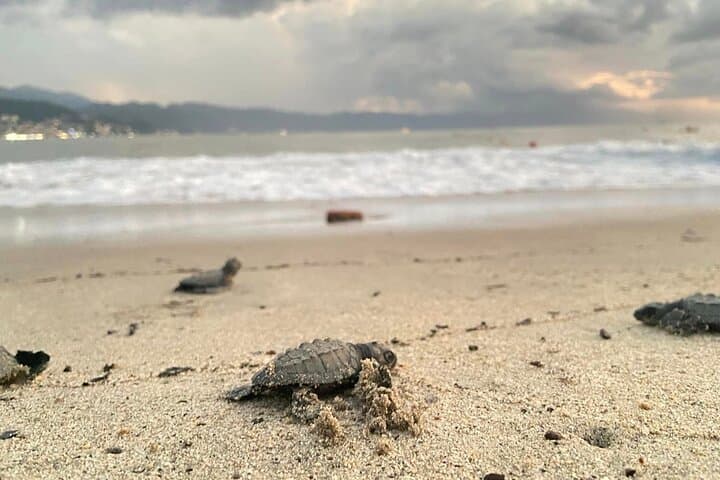
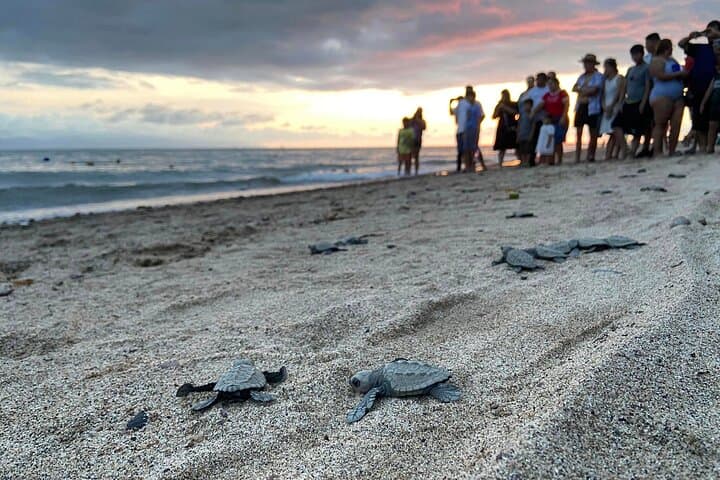
The sand cools underfoot as the sun slides toward the Pacific horizon and the surf begins to glow. You meet local conservationists at a small camp beside the beach, a table with chilled drinks and a pile of careful instructions. After a short, interactive talk you walk the shore as the day darkens; the team opens a crate and tiny flippers scurry toward the sea as the ocean seems to nudge them onward.
Verified experiences and guided adventures in the surrounding area.
Operated by Sedero Salvaje · Puerto Vallarta, Jalisco
The sand cools underfoot as the sun slides toward the Pacific horizon and the surf begins to glow. You meet local conservationists at a small camp beside the beach, a table with chilled drinks and a pile of careful instructions. After a short, interactive talk you walk the shore as the day darkens; the team opens a crate and tiny flippers scurry toward the sea as the ocean seems to nudge them onward.
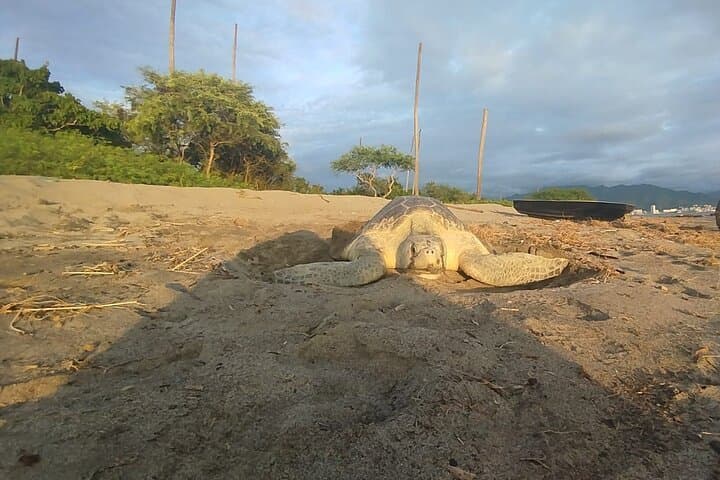
This stretch of Jalisco coast has hosted nesting turtles for generations. Volunteers monitor nests, relocate vulnerable clutches, and track hatchling survival — work born from local fishing history, changing coastal development, and decades of community-led protection. Geologically, the broad, gentle beaches and offshore slope create a hard-won gauntlet for hatchlings whose instincts aim them seaward but whose route can be altered by lights, debris, and tide.
Expect an educational briefing, a guided beach walk at dusk, and the release ceremony where you gently carry or escort hatchlings to the water. The experience is family-friendly, low-impact, and often limited in group size to reduce stress on the animals. Practical tips: wear closed-toe sand-friendly shoes, keep flashes and bright lights off, and follow handlers’ instructions precisely.
This is not only a photo moment but a conservation practice: participants learn how monitoring, night patrols, and local policy reduce threats to turtles. Leave the beach cleaner than you found it, respect the animals’ space, and your visit becomes part of the protection story rather than a footnote.
easy.
1.5 hours.
Suitable for most fitness levels; requires short beach walks and standing during the talk
The program runs about 95 minutes total: a short briefing, a guided beach walk at dusk, and the hatchling release.
Yes—this is family-friendly. Handlers will advise on safe distances and whether a child can gently help under supervision.
Only if instructed and supervised by staff; limits are strict to avoid stressing hatchlings and transferring oils or contaminants.
Not typically; check the booking page. Public transport options are nearby and many visitors stay in Puerto Vallarta hotels a short drive away.
Local communities and NGOs have run beach patrol and nest-protection programs for decades to counter development and fishing pressures along the Jalisco coast.
Programs limit group sizes, control light pollution, run nest monitoring, and organize beach cleanups to increase hatchling survival and reduce human impact.
Sedero Salvaje operates guided outdoor trips and adventures with an emphasis on safety, stewardship, and memorable experiences.

The sand cools underfoot as the sun slides toward the Pacific horizon and the surf begins to glow. You meet local conservationists at a small camp beside the beach, a table with chilled drinks and a pile of careful instructions. After a short, interactive talk you walk the shore as the day darkens; the team opens a crate and tiny flippers scurry toward the sea as the ocean seems to nudge them onward.
The sand cools underfoot as the sun slides toward the Pacific horizon and the surf begins to glow. You meet local conservationists at a small camp beside the beach, a table with chilled drinks and a pile of careful instructions. After a short, interactive talk you walk the shore as the day darkens; the team opens a crate and tiny flippers scurry toward the sea as the ocean seems to nudge them onward.
This stretch of Jalisco coast has hosted nesting turtles for generations. Volunteers monitor nests, relocate vulnerable clutches, and track hatchling survival — work born from local fishing history, changing coastal development, and decades of community-led protection. Geologically, the broad, gentle beaches and offshore slope create a hard-won gauntlet for hatchlings whose instincts aim them seaward but whose route can be altered by lights, debris, and tide.
Expect an educational briefing, a guided beach walk at dusk, and the release ceremony where you gently carry or escort hatchlings to the water. The experience is family-friendly, low-impact, and often limited in group size to reduce stress on the animals. Practical tips: wear closed-toe sand-friendly shoes, keep flashes and bright lights off, and follow handlers’ instructions precisely.
This is not only a photo moment but a conservation practice: participants learn how monitoring, night patrols, and local policy reduce threats to turtles. Leave the beach cleaner than you found it, respect the animals’ space, and your visit becomes part of the protection story rather than a footnote.