THE ADVENTURE COLLECTIVE® · Independent discovery and booking for outdoor travel

Three miles of white sand, clear turquoise water and a famously dramatic west-coast sunset—Falasarna is a full-day escape from Chania. This guide covers what to expect on the beach, local history and practical tips to make the most of your visit.
Three miles of white sand, clear turquoise water and a famously dramatic west-coast sunset—Falasarna is a full-day escape from Chania. This guide covers what to expect on the beach, local history and practical tips to make the most of your visit.
You arrive at Falasarna with sand that stretches like an open hand and a wind that pushes the sea into brilliant, shifting blues. The beach opens wide—three miles of soft sand, low dunes and a shallow shoreline—inviting long walks, brisk swims and a stakeout for one of Crete’s celebrated sunsets. The headland above the main bay holds weathered stone and a thin scatter of ruins where ancient mariners once watched for safe harbor.
Verified experiences and guided adventures in the surrounding area.
Operated by Crete Lux Travel · Falasarna, Crete
You arrive at Falasarna with sand that stretches like an open hand and a wind that pushes the sea into brilliant, shifting blues. The beach opens wide—three miles of soft sand, low dunes and a shallow shoreline—inviting long walks, brisk swims and a stakeout for one of Crete’s celebrated sunsets. The headland above the main bay holds weathered stone and a thin scatter of ruins where ancient mariners once watched for safe harbor.
Historically Phalasarna was an important Hellenistic port and the nearby archaeological remnants hint at a seafaring past; geology here favors long sandy spits formed by westward currents and seasonal winds that sculpt the shoreline. Locally, the rhythm is slow: small cafés serve cold drinks and tsipouro, parasols and sunbeds are organized along the central strip, and the sunset turns the western horizon a charged orange that photographers time their return for.
On a practical note, the trip from Chania is a straightforward coastal drive, suitable as a full-day excursion. Expect five hours on-site in typical day-trip itineraries—ample time for swimming, snorkeling in clear water, and walking to quieter coves. Bring reef-safe sunscreen and a wind layer; the Meltemi-like west wind can pick up in afternoon. If you want quiet, aim for late afternoon or shoulder seasons when crowds thin and the light softens.
Respect nesting areas, pack out all trash, and consider the archaeological promontory for a short hike and views—Falasarna rewards visitors who balance leisure with a little curiosity.
easy.
6–8 hours.
Suitable for most fitness levels; includes walking on sand and optional short hikes to viewpoints
Expect roughly 60–90 minutes by car depending on traffic; many day-trip operators include air-conditioned transport.
Yes—large sections have parasols and sunbeds and small cafés; services are concentrated near the main parking area.
Yes—water is clear and suitable for swimming and snorkeling though wind can create choppier conditions; supervise children in shallows.
There are visible ruins on the headland above the beach—short walks offer views and a sense of the area’s ancient port history.
Phalasarna was an active Hellenistic port; submerged and cliff-top ruins nearby mark its maritime importance in antiquity.
Dune vegetation and nesting sites are sensitive—stick to paths, avoid disturbing wildlife and pack out all waste to reduce erosion and habitat loss.
Crete Lux Travel operates guided outdoor trips and adventures with an emphasis on safety, stewardship, and memorable experiences.
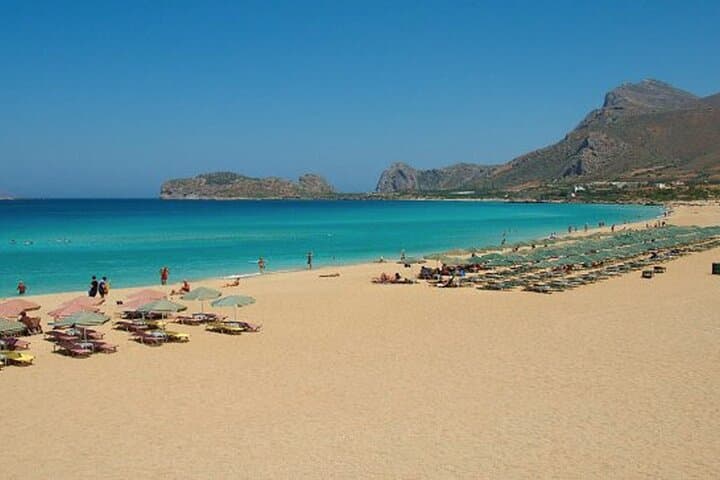
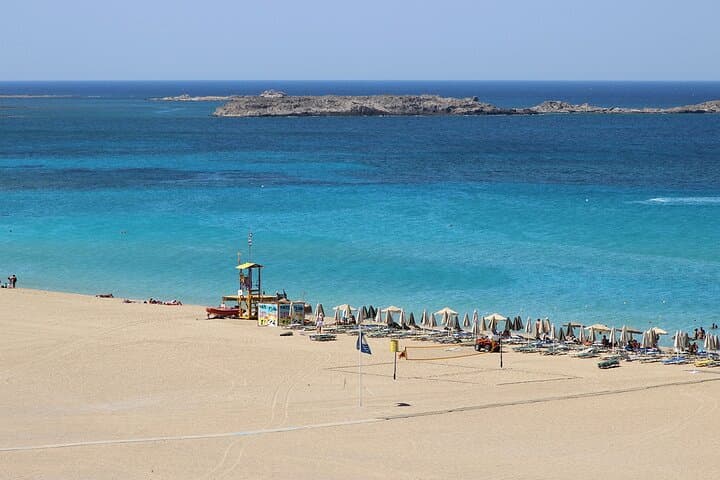
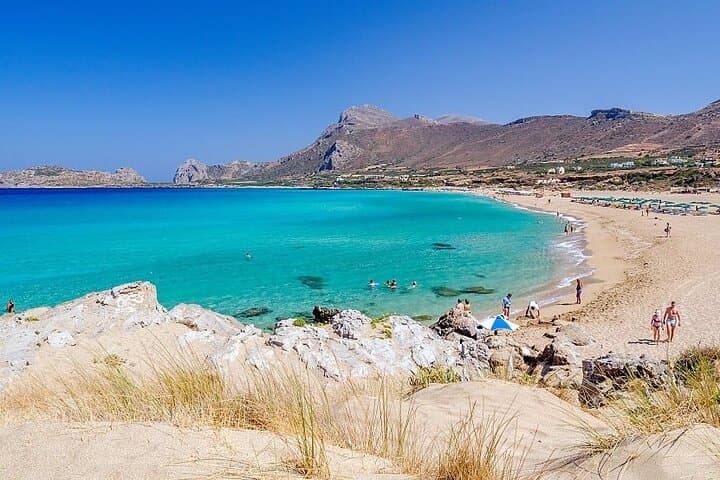
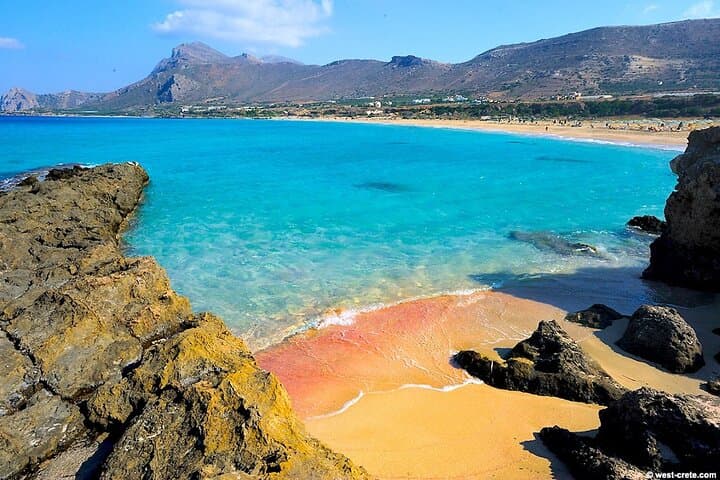
You arrive at Falasarna with sand that stretches like an open hand and a wind that pushes the sea into brilliant, shifting blues. The beach opens wide—three miles of soft sand, low dunes and a shallow shoreline—inviting long walks, brisk swims and a stakeout for one of Crete’s celebrated sunsets. The headland above the main bay holds weathered stone and a thin scatter of ruins where ancient mariners once watched for safe harbor.
You arrive at Falasarna with sand that stretches like an open hand and a wind that pushes the sea into brilliant, shifting blues. The beach opens wide—three miles of soft sand, low dunes and a shallow shoreline—inviting long walks, brisk swims and a stakeout for one of Crete’s celebrated sunsets. The headland above the main bay holds weathered stone and a thin scatter of ruins where ancient mariners once watched for safe harbor.
Historically Phalasarna was an important Hellenistic port and the nearby archaeological remnants hint at a seafaring past; geology here favors long sandy spits formed by westward currents and seasonal winds that sculpt the shoreline. Locally, the rhythm is slow: small cafés serve cold drinks and tsipouro, parasols and sunbeds are organized along the central strip, and the sunset turns the western horizon a charged orange that photographers time their return for.
On a practical note, the trip from Chania is a straightforward coastal drive, suitable as a full-day excursion. Expect five hours on-site in typical day-trip itineraries—ample time for swimming, snorkeling in clear water, and walking to quieter coves. Bring reef-safe sunscreen and a wind layer; the Meltemi-like west wind can pick up in afternoon. If you want quiet, aim for late afternoon or shoulder seasons when crowds thin and the light softens.
Respect nesting areas, pack out all trash, and consider the archaeological promontory for a short hike and views—Falasarna rewards visitors who balance leisure with a little curiosity.