THE ADVENTURE COLLECTIVE® · Independent discovery and booking for outdoor travel

Glide into Kampong Phluk on a private sampan as the sun slides across Tonle Sap. This half-day sunset tour from Siem Reap pairs close-up views of stilt villages with a compact, accessible boat experience.
Glide into Kampong Phluk on a private sampan as the sun slides across Tonle Sap. This half-day sunset tour from Siem Reap pairs close-up views of stilt villages with a compact, accessible boat experience.
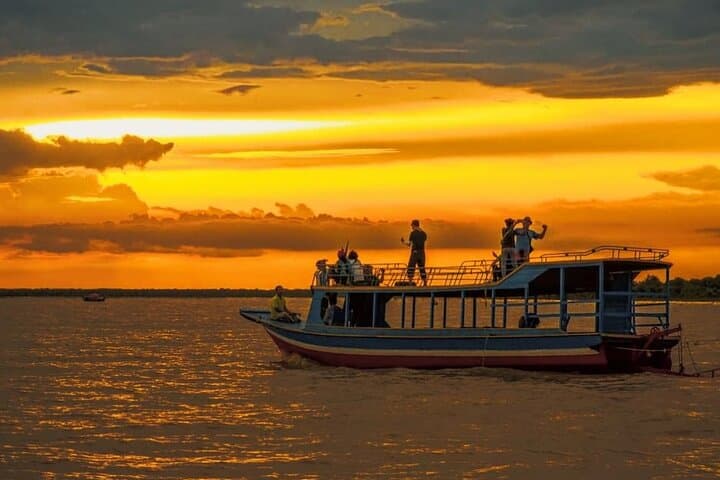
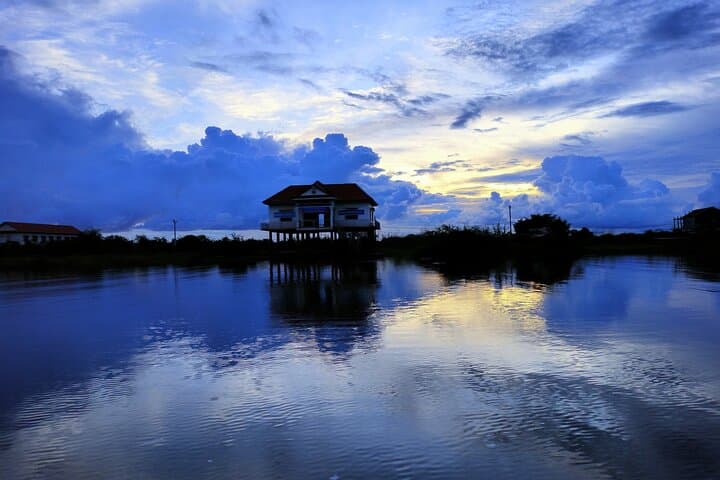
The boat coastlines flatten into a mosaic of stilts and reflections as the sun drops over Tonle Sap; your sampan slips between narrow channels, pushed by a guide who reads tides like a map. Lanterns begin to appear on raised porches while children run along planks — this is Kampong Phluk at dusk, a village that lives above the water.
Verified experiences and guided adventures in the surrounding area.
Operated by Siem Reap Guide · Kampong Phluk, Siem Reap Province
The boat coastlines flatten into a mosaic of stilts and reflections as the sun drops over Tonle Sap; your sampan slips between narrow channels, pushed by a guide who reads tides like a map. Lanterns begin to appear on raised porches while children run along planks — this is Kampong Phluk at dusk, a village that lives above the water.
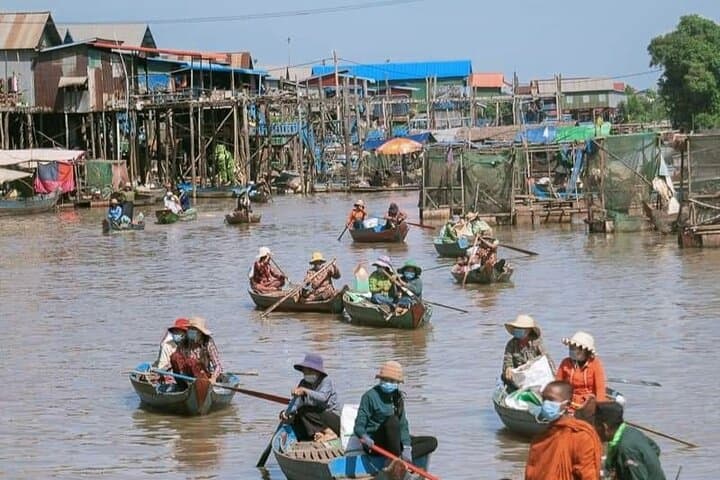
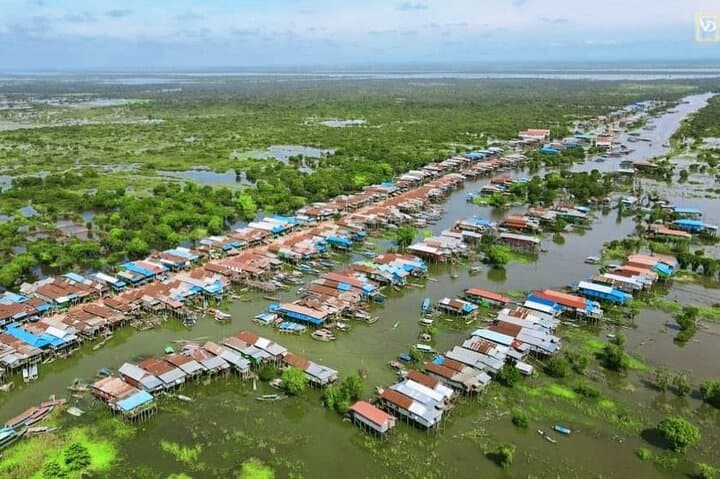
Kampong Phluk grew around the lake’s dramatic seasonal pulse: during the dry season houses sit high on stilts above sandbanks, while the monsoon floods convert fields into a shallow inland sea. Geologically Tonle Sap is a floodplain fed by the Mekong’s reversal each year, creating one of Southeast Asia’s richest freshwater fisheries. Culturally, the village blends Khmer Buddhist practice with practical fishing economies — you’ll see temples, a floating school, and boats lined with nets.
Expect 3–4 hours total: a transfer from Siem Reap, a 30–60 minute boat approach, time to walk through the stilted streets, and sunset on the water. Terrain is boardwalks and compacted earth; bring insect protection, sun cover, and a steady pair of shoes for uneven planks. Photography rewards patience — light and water shift fast.
Practical tips: confirm pickup time (private transfers included), carry small bills for local purchases, and plan visits in the shoulder seasons for clearer skies or the wet season for full-flood spectacle. Guides often include cold water and wipes; bring a lightweight rain layer if visiting during the monsoon. Respect private homes and ask before photographing individuals — the village is still a working community.
easy.
3–4 hours.
Minimal fitness required — short walks on flat, uneven boardwalks and easy boat access; suitable for most travelers.
Yes — private air-conditioned pickup and drop-off at hotels in Siem Reap are typically included; confirm your pickup point when booking.
The transfer vehicle is wheelchair accessible, but village boardwalks and boats may have steps; guests with mobility limits should advise the operator in advance.
Dry season (Nov–Feb) offers clearer skies and exposed structures, while the wet season (Jun–Oct) fills the flooded forests and concentrates waterbirds and fishing activity.
Yes — reputable operators provide life jackets and safety briefings; check with your guide before departure.
Kampong Phluk developed as a fishing community adapted to Tonle Sap’s annual flood pulse; many homes and public buildings are elevated on tall stilts to survive seasonal inundation.
Tonle Sap faces pressures from overfishing and changing river flows; choose local guides, avoid single-use plastics, and respect fishing gear and private property to reduce your impact.
Siem Reap Guide operates guided outdoor trips and adventures with an emphasis on safety, stewardship, and memorable experiences.
The boat coastlines flatten into a mosaic of stilts and reflections as the sun drops over Tonle Sap; your sampan slips between narrow channels, pushed by a guide who reads tides like a map. Lanterns begin to appear on raised porches while children run along planks — this is Kampong Phluk at dusk, a village that lives above the water.
The boat coastlines flatten into a mosaic of stilts and reflections as the sun drops over Tonle Sap; your sampan slips between narrow channels, pushed by a guide who reads tides like a map. Lanterns begin to appear on raised porches while children run along planks — this is Kampong Phluk at dusk, a village that lives above the water.
Kampong Phluk grew around the lake’s dramatic seasonal pulse: during the dry season houses sit high on stilts above sandbanks, while the monsoon floods convert fields into a shallow inland sea. Geologically Tonle Sap is a floodplain fed by the Mekong’s reversal each year, creating one of Southeast Asia’s richest freshwater fisheries. Culturally, the village blends Khmer Buddhist practice with practical fishing economies — you’ll see temples, a floating school, and boats lined with nets.
Expect 3–4 hours total: a transfer from Siem Reap, a 30–60 minute boat approach, time to walk through the stilted streets, and sunset on the water. Terrain is boardwalks and compacted earth; bring insect protection, sun cover, and a steady pair of shoes for uneven planks. Photography rewards patience — light and water shift fast.
Practical tips: confirm pickup time (private transfers included), carry small bills for local purchases, and plan visits in the shoulder seasons for clearer skies or the wet season for full-flood spectacle. Guides often include cold water and wipes; bring a lightweight rain layer if visiting during the monsoon. Respect private homes and ask before photographing individuals — the village is still a working community.