THE ADVENTURE COLLECTIVE® · Independent discovery and booking for outdoor travel

Slip into the salt marsh of Amelia Island as the sun falls and the estuary comes alive. This guided sunset paddle on the Talbot Islands offers calm channels, abundant shorebirds, and a short, accessible adventure ideal for first-timers and families.
Slip into the salt marsh of Amelia Island as the sun falls and the estuary comes alive. This guided sunset paddle on the Talbot Islands offers calm channels, abundant shorebirds, and a short, accessible adventure ideal for first-timers and families.
The sun drops low over the salt marsh and the water turns to polished bronze. You push off from a quiet launch between Big Talbot and Little Talbot, and the paddle's rim cuts a soft, even stitch across a channel where fiddler crabs and glassy minnows scatter at your wake. Guides keep voices low; the estuary seems to lean in, listening. That hush is the point—this is a paddle that trades adrenaline for attention, where every ripple and calling shorebird becomes the main event.
Verified experiences and guided adventures in the surrounding area.
Operated by PADL · Fernandina Beach, Florida
The sun drops low over the salt marsh and the water turns to polished bronze. You push off from a quiet launch between Big Talbot and Little Talbot, and the paddle's rim cuts a soft, even stitch across a channel where fiddler crabs and glassy minnows scatter at your wake. Guides keep voices low; the estuary seems to lean in, listening. That hush is the point—this is a paddle that trades adrenaline for attention, where every ripple and calling shorebird becomes the main event.
The land you skim is part of the Timucuan Ecological and Historic Preserve, a coastal plain shaped by tides and the slow work of sediment. Long before modern roads, Timucua people navigated these creeks; later, Spanish and British mariners used the sound as a corridor for fisheries and trade. Geologically the area is young—sands and marsh peat laid down over millennia—so channels shift with storms and seasons, creating the labyrinth you explore with a guide who reads tides like a map.
Culturally, Fernandina Beach and Amelia Island carry a working coastline sensibility. Shrimp boats, oyster bars, and conservation groups coexist here; guides on the sunset paddle often point out both a restored oyster bar and a solitary historic piling standing like a timekeeper in the estuary. The marsh is not passive—currents nudge paddlers, raptors patrol overhead, and dolphins sometimes thread the inlet as dusk approaches, curious and precise.
Practical guide: the trip is roughly two hours from meet to return, with an hour or so on the water depending on tides. Launch is on protected salt-marsh channels—calm for beginners but tidal, so bring a wind shell and listen to your guide about current flow. Operators provide SUPs and kayaks, life vests, and a waterproof pouch for essentials; arrive 20–30 minutes early for a safety briefing and basic paddling instruction if you’re new.
Timing is everything—plan around high tide for deeper channels and smoother passages; for dramatic light aim to arrive 45 minutes before sunset. Footwear should get wet (water shoes or sandals), and a small headlamp or phone light is useful for the return after dark. Expect salt, a little insect presence as daylight fades, and strong birdlife: egrets, ospreys, and curlew call the marsh their office.
This is a low-impact outing—stay on provided craft, avoid trampling marsh grass, and follow your guide’s wildlife distance recommendations. When you come for the light, you leave with a clearer sense of how this coastal system works: slow, tidal, and insistently alive.
easy.
2 hours.
Suitable for most fitness levels; steady balance and basic paddling stamina are helpful for standing SUPs.
No—guides give instruction for kayaks and SUPs; beginners are welcome but should arrive ready to learn.
Age rules vary; children can often ride in tandem kayaks—check operator booking questions for age and waiver details.
Most operators provide craft and prefer to manage equipment; contact the operator ahead if you plan to use your own.
Trips cancel in bad weather—refund policy typically allows cancellation at least 24 hours prior; operators will notify you if conditions change.
Meeting and parking areas are described as accessible, but launch surfaces may be uneven—contact the operator for specific accessibility needs.
Yes—expect shorebirds like egrets and ospreys, and occasional dolphins or rays in the inlet; sightings are common but not guaranteed.
The paddle runs through estuaries that were part of Timucuan territory and later used by early European mariners; the preserve protects both natural marsh processes and cultural sites.
The salt marsh is a fragile nursery for fish and shellfish—stay on supplied craft, avoid trampling marsh grasses, and pack out any trash to minimize impact.
PADL operates guided outdoor trips and adventures with an emphasis on safety, stewardship, and memorable experiences.
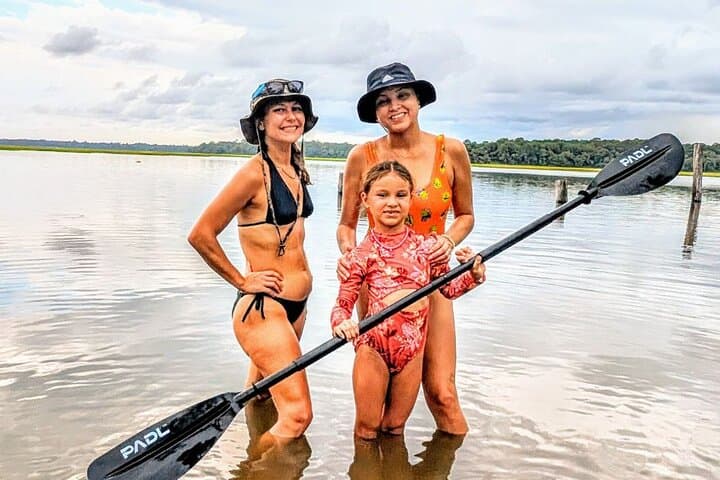
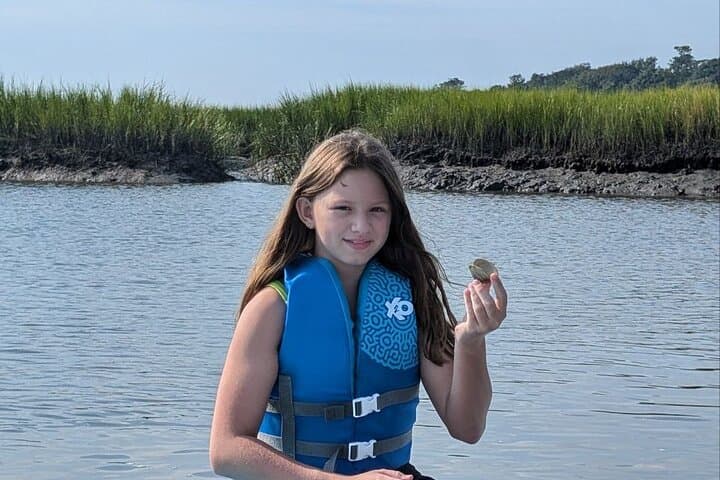

The sun drops low over the salt marsh and the water turns to polished bronze. You push off from a quiet launch between Big Talbot and Little Talbot, and the paddle's rim cuts a soft, even stitch across a channel where fiddler crabs and glassy minnows scatter at your wake. Guides keep voices low; the estuary seems to lean in, listening. That hush is the point—this is a paddle that trades adrenaline for attention, where every ripple and calling shorebird becomes the main event.
The sun drops low over the salt marsh and the water turns to polished bronze. You push off from a quiet launch between Big Talbot and Little Talbot, and the paddle's rim cuts a soft, even stitch across a channel where fiddler crabs and glassy minnows scatter at your wake. Guides keep voices low; the estuary seems to lean in, listening. That hush is the point—this is a paddle that trades adrenaline for attention, where every ripple and calling shorebird becomes the main event.
The land you skim is part of the Timucuan Ecological and Historic Preserve, a coastal plain shaped by tides and the slow work of sediment. Long before modern roads, Timucua people navigated these creeks; later, Spanish and British mariners used the sound as a corridor for fisheries and trade. Geologically the area is young—sands and marsh peat laid down over millennia—so channels shift with storms and seasons, creating the labyrinth you explore with a guide who reads tides like a map.
Culturally, Fernandina Beach and Amelia Island carry a working coastline sensibility. Shrimp boats, oyster bars, and conservation groups coexist here; guides on the sunset paddle often point out both a restored oyster bar and a solitary historic piling standing like a timekeeper in the estuary. The marsh is not passive—currents nudge paddlers, raptors patrol overhead, and dolphins sometimes thread the inlet as dusk approaches, curious and precise.
Practical guide: the trip is roughly two hours from meet to return, with an hour or so on the water depending on tides. Launch is on protected salt-marsh channels—calm for beginners but tidal, so bring a wind shell and listen to your guide about current flow. Operators provide SUPs and kayaks, life vests, and a waterproof pouch for essentials; arrive 20–30 minutes early for a safety briefing and basic paddling instruction if you’re new.
Timing is everything—plan around high tide for deeper channels and smoother passages; for dramatic light aim to arrive 45 minutes before sunset. Footwear should get wet (water shoes or sandals), and a small headlamp or phone light is useful for the return after dark. Expect salt, a little insect presence as daylight fades, and strong birdlife: egrets, ospreys, and curlew call the marsh their office.
This is a low-impact outing—stay on provided craft, avoid trampling marsh grass, and follow your guide’s wildlife distance recommendations. When you come for the light, you leave with a clearer sense of how this coastal system works: slow, tidal, and insistently alive.