THE ADVENTURE COLLECTIVE® · Independent discovery and booking for outdoor travel

Climb a smoking slope above León for a sunset that paints Telica’s fumaroles and crater rim. This 45-minute ascent leads to sweeping views, a night-time descent, and a clear reminder that you’re hiking on active volcanic ground.
Climb a smoking slope above León for a sunset that paints Telica’s fumaroles and crater rim. This 45-minute ascent leads to sweeping views, a night-time descent, and a clear reminder that you’re hiking on active volcanic ground.
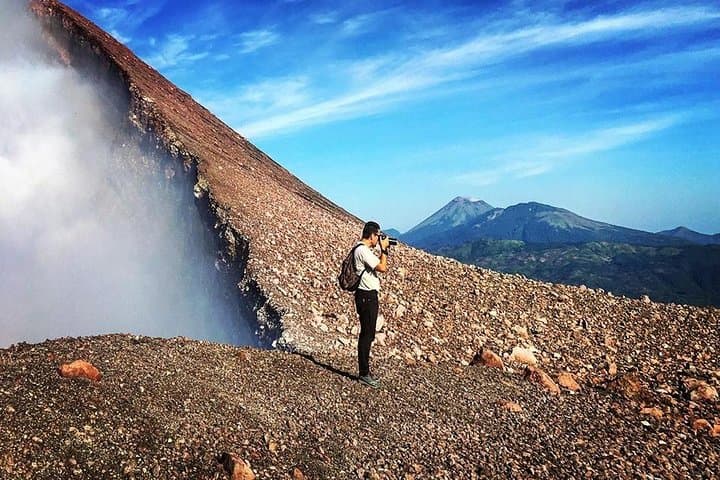
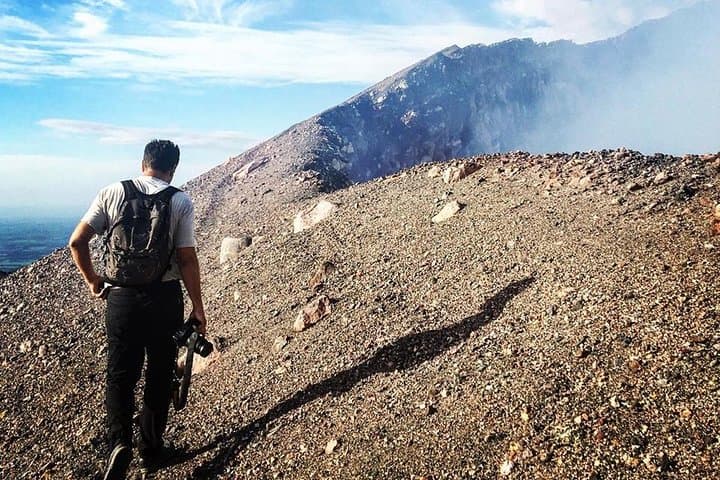
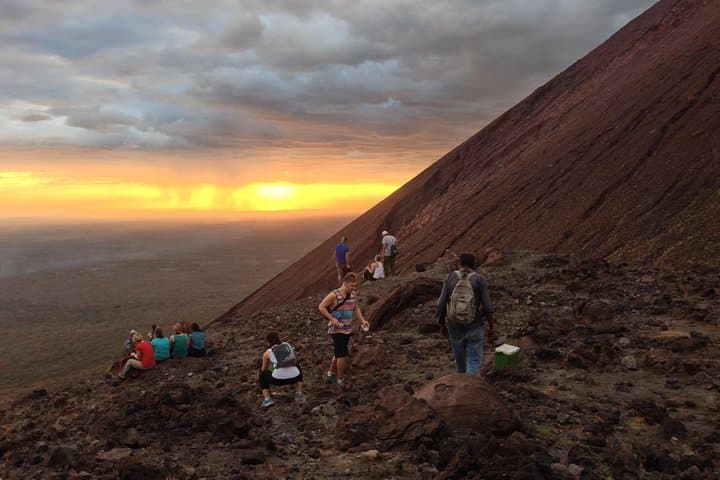
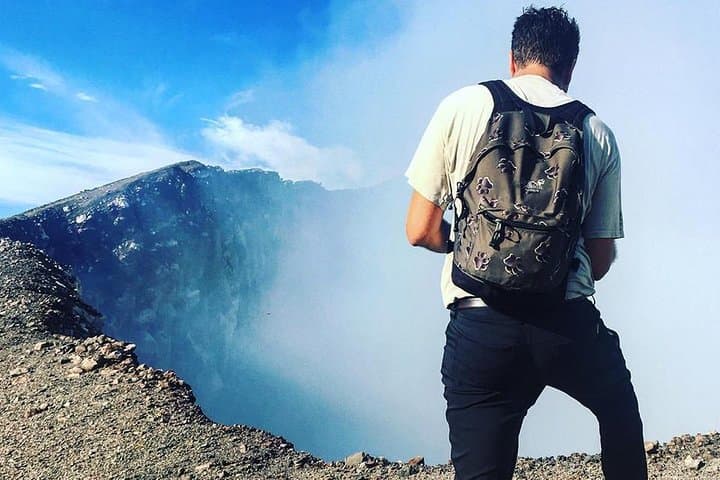
The sky thins to a bright bruise as the group reaches the ridgeline—heat from the crater still breathes beneath the cooling air, and sulfurous steam dares the wind to take a closer look.
Verified experiences and guided adventures in the surrounding area.
Operated by Vamos Travel Nic · León, León Department
The sky thins to a bright bruise as the group reaches the ridgeline—heat from the crater still breathes beneath the cooling air, and sulfurous steam dares the wind to take a closer look.
Telica stands about 1,060 meters above sea level in the Cordillera de los Maribios, a chain of volcanic peaks west of León, Nicaragua. The short but steep approach (roughly 45 minutes for the main climb) threads recent lava skirts and scrubbed volcanic ground, delivering a raw, smoky panorama of the crater and the lowlands beyond. In the light just before sunset the crater’s fumaroles catch color and the surrounding villages shrink into patchwork fields.
Geologically active for centuries, Telica’s eruptions shaped local routes and economies—sulfur deposits near the rim were once exploited locally—and the volcano remains a cultural landmark for León’s residents, who have long monitored its moods.
Practically, this is a guided, private outing lasting about 5–6 hours door-to-door. Expect uneven volcanic scree, short scrambles and a return descent in darkness; the operator includes entrance fees, a fully insured vehicle and a bilingual guide. The climb is accessible to travelers with moderate fitness but not recommended for those with heart, back, or pregnancy concerns. Layers are essential—temperatures drop quickly after sunset—and a reliable headlamp is nonnegotiable for the night descent.
Plan water and high-energy snacks, wear sturdy boots with good traction, and follow your guide’s route: the fragile volcanic soil and fumaroles demand respect. Arrive with your camera but keep movement steady—the volcano is alive, and the landscape will tug your attention from horizon to crater in equal measure.
moderate.
5–6 hours.
Moderate cardiovascular fitness and comfortable with short steep sections and uneven terrain
The main ascent to the viewpoint is about 30–60 minutes depending on fitness and pace; the full tour lasts roughly 5–6 hours including transport and stops.
The tour visits established, guide-approved areas—however Telica is active, so operators monitor conditions and keep visitors to safe viewing distances from fumaroles and unstable ground.
Entrance fees are typically included in the tour price; confirm with your operator and carry some cash for incidental local purchases.
This tour is not recommended for pregnant travelers or those with serious heart or back conditions; age and fitness considerations can vary—check with the tour operator before booking.
Telica is part of the Maribios volcanic arc and has influenced local settlements for centuries; sulfur deposits near the crater were historically noted by residents.
Volcanic soils and pioneering vegetation are fragile—stick to trails, avoid collecting rocks, and pack out all waste to minimize impact.
Vamos Travel Nic operates guided outdoor trips and adventures with an emphasis on safety, stewardship, and memorable experiences.
The sky thins to a bright bruise as the group reaches the ridgeline—heat from the crater still breathes beneath the cooling air, and sulfurous steam dares the wind to take a closer look.
The sky thins to a bright bruise as the group reaches the ridgeline—heat from the crater still breathes beneath the cooling air, and sulfurous steam dares the wind to take a closer look.
Telica stands about 1,060 meters above sea level in the Cordillera de los Maribios, a chain of volcanic peaks west of León, Nicaragua. The short but steep approach (roughly 45 minutes for the main climb) threads recent lava skirts and scrubbed volcanic ground, delivering a raw, smoky panorama of the crater and the lowlands beyond. In the light just before sunset the crater’s fumaroles catch color and the surrounding villages shrink into patchwork fields.
Geologically active for centuries, Telica’s eruptions shaped local routes and economies—sulfur deposits near the rim were once exploited locally—and the volcano remains a cultural landmark for León’s residents, who have long monitored its moods.
Practically, this is a guided, private outing lasting about 5–6 hours door-to-door. Expect uneven volcanic scree, short scrambles and a return descent in darkness; the operator includes entrance fees, a fully insured vehicle and a bilingual guide. The climb is accessible to travelers with moderate fitness but not recommended for those with heart, back, or pregnancy concerns. Layers are essential—temperatures drop quickly after sunset—and a reliable headlamp is nonnegotiable for the night descent.
Plan water and high-energy snacks, wear sturdy boots with good traction, and follow your guide’s route: the fragile volcanic soil and fumaroles demand respect. Arrive with your camera but keep movement steady—the volcano is alive, and the landscape will tug your attention from horizon to crater in equal measure.