THE ADVENTURE COLLECTIVE® · Independent discovery and booking for outdoor travel

Watch the sun slide behind Europe’s most active volcano on a guided evening tour from Catania. Hike to Silvestri Craters, explore a lava tube, and sample Etna-grown honey and wine while the mountain cools into night.
Watch the sun slide behind Europe’s most active volcano on a guided evening tour from Catania. Hike to Silvestri Craters, explore a lava tube, and sample Etna-grown honey and wine while the mountain cools into night.
The light thins across Etna’s black slopes as your vehicle climbs away from the sea; steam plumes catch the last gold and the ridge ahead sharpens into silhouette. By the time you step onto the cool volcanic scree around the Silvestri Craters, the summit throws a final, raw glow that makes the landscape feel unfinished—half-molten and alive.
Verified experiences and guided adventures in the surrounding area.
Operated by Exclusive Etna Excursion · Catania, Sicily
The light thins across Etna’s black slopes as your vehicle climbs away from the sea; steam plumes catch the last gold and the ridge ahead sharpens into silhouette. By the time you step onto the cool volcanic scree around the Silvestri Craters, the summit throws a final, raw glow that makes the landscape feel unfinished—half-molten and alive.
This afternoon-to-evening excursion threads geologic story with local life: Etna is Europe’s most active volcano, shaped by long basaltic flows and recent scars like the 1991–93 eruption that reached Zafferana. The guide walks you through Valle del Bove, a broad collapse amphitheater where lava channels still shape the topography, then into a short lava-tube cave with helmets and torches supplied. A stop at a small Zafferana producer introduces Etna’s agricultural side—honey, olive oil and wine grown on mineral-rich slopes.
Expect uneven volcanic terrain at 2,000 meters, short hikes among inactive craters, and sharp temperature swings after sunset. The tour balances easy walking with altitude and loose rock; it’s accessible to most fit travelers but not suitable for those with serious heart or respiratory issues.
Practical notes: layer for wind and cold, carry a refillable water bottle, and wear sturdy shoes with traction. Arrive with a camera for long-range views of Catania and the Ionian Sea, but follow your guide inside caves and keep to marked paths—Etna’s slopes are ecologically fragile. The sunset hour here turns lava and sky into an elemental combination that feels immediate rather than picturesque—an active landscape asking for respect as much as attention.
moderate.
4–5 hours.
Comfortable with 30–60 minutes of walking on uneven volcanic terrain and able to tolerate 2,000 m elevation.
The tour offers pick-up from selected accommodations in Catania or a meeting point; confirm your pickup location when booking.
Children can join but require supervision; helmets and torches are provided and the walk is short but in confined, uneven space.
The tour involves walking on loose volcanic rock and some steps; it’s not suitable for wheelchairs or limited-mobility travelers.
Smart-casual is fine—the tasting is at a small producer; expect outdoor seating and limited shelter if it rains.
Mount Etna’s eruptions have shaped local settlement and agriculture for millennia; the 1991–93 lava flow notably reached the gates of Zafferana, changing town plans and local lore.
Stay on marked trails—Etna’s volcanic soils and endemic plants are fragile. Support local producers for sustainable economic benefits and avoid removing rocks or plants.
Exclusive Etna Excursion operates guided outdoor trips and adventures with an emphasis on safety, stewardship, and memorable experiences.
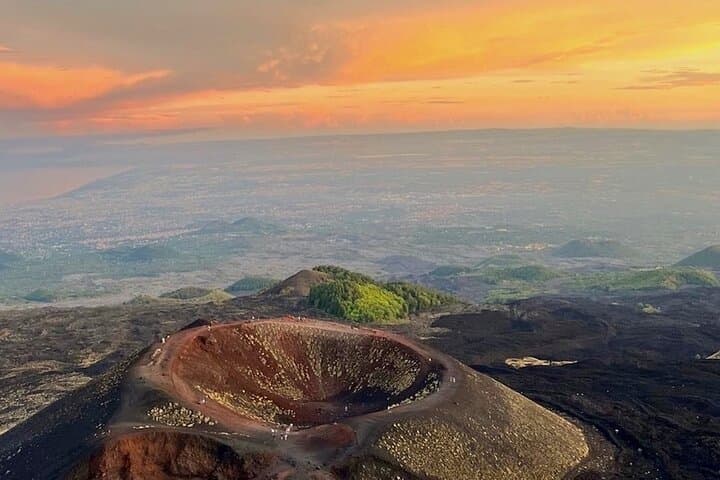
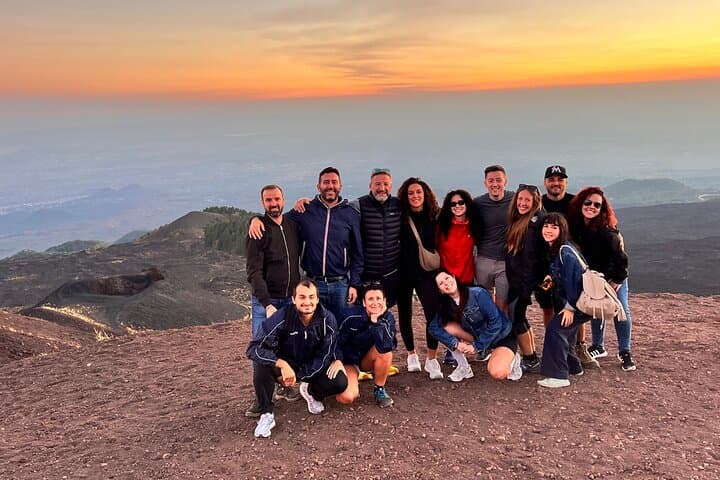
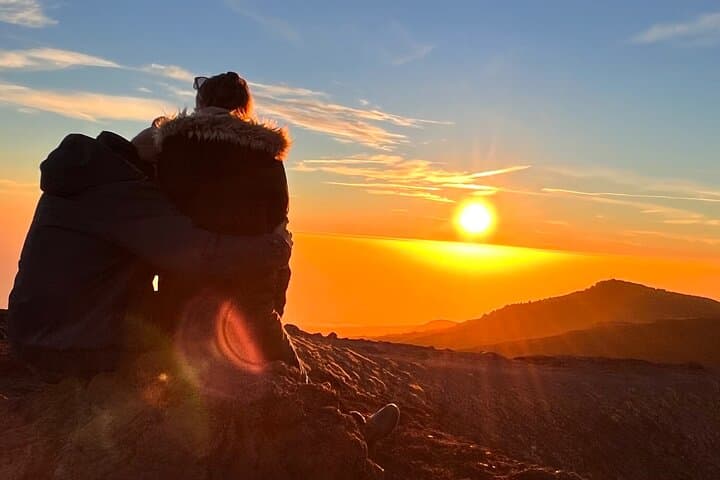
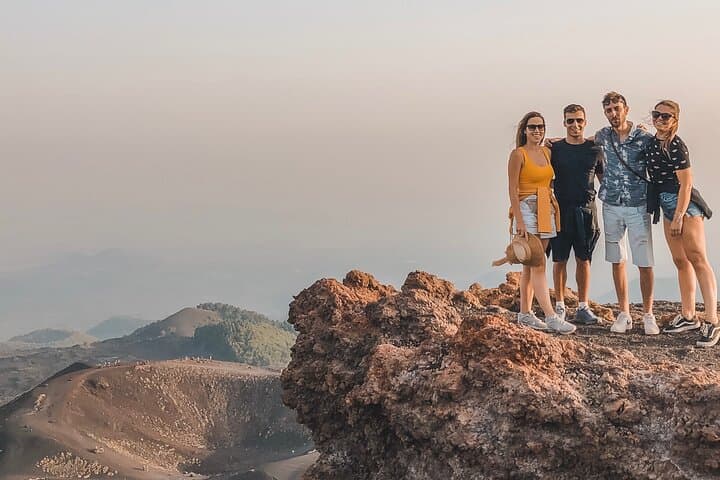
The light thins across Etna’s black slopes as your vehicle climbs away from the sea; steam plumes catch the last gold and the ridge ahead sharpens into silhouette. By the time you step onto the cool volcanic scree around the Silvestri Craters, the summit throws a final, raw glow that makes the landscape feel unfinished—half-molten and alive.
The light thins across Etna’s black slopes as your vehicle climbs away from the sea; steam plumes catch the last gold and the ridge ahead sharpens into silhouette. By the time you step onto the cool volcanic scree around the Silvestri Craters, the summit throws a final, raw glow that makes the landscape feel unfinished—half-molten and alive.
This afternoon-to-evening excursion threads geologic story with local life: Etna is Europe’s most active volcano, shaped by long basaltic flows and recent scars like the 1991–93 eruption that reached Zafferana. The guide walks you through Valle del Bove, a broad collapse amphitheater where lava channels still shape the topography, then into a short lava-tube cave with helmets and torches supplied. A stop at a small Zafferana producer introduces Etna’s agricultural side—honey, olive oil and wine grown on mineral-rich slopes.
Expect uneven volcanic terrain at 2,000 meters, short hikes among inactive craters, and sharp temperature swings after sunset. The tour balances easy walking with altitude and loose rock; it’s accessible to most fit travelers but not suitable for those with serious heart or respiratory issues.
Practical notes: layer for wind and cold, carry a refillable water bottle, and wear sturdy shoes with traction. Arrive with a camera for long-range views of Catania and the Ionian Sea, but follow your guide inside caves and keep to marked paths—Etna’s slopes are ecologically fragile. The sunset hour here turns lava and sky into an elemental combination that feels immediate rather than picturesque—an active landscape asking for respect as much as attention.