THE ADVENTURE COLLECTIVE® · Independent discovery and booking for outdoor travel

Ride a 4x4 from Piano Provenzana to Pizzi Deneri, walk among 2002 eruption craters, and watch the summit craters at sunset. This easy, guided trek balances short hikes with off-road transport and strong volcanic scenery.
Ride a 4x4 from Piano Provenzana to Pizzi Deneri, walk among 2002 eruption craters, and watch the summit craters at sunset. This easy, guided trek balances short hikes with off-road transport and strong volcanic scenery.
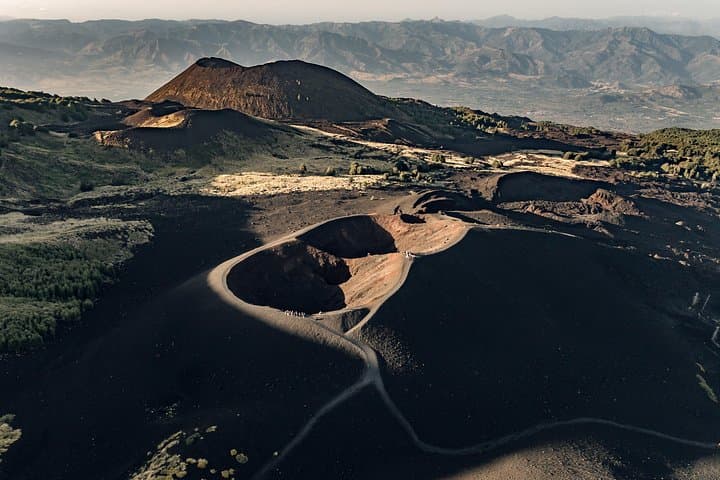
The afternoon light thins as the 4x4 rumbles up from Piano Provenzana (1,800 m), the air growing thinner and colder with every switchback. At first, the landscape reads in black and gray: jagged lava folds, the skeletal remains of vegetation, and the solitary ruin of Hotel Le Betulle — a visible scar from the 2002 eruption. Riders disembark for short, easy treks across volcanic sand and rock, moving toward button-like craters born in October 2002 and the larger extinct basins of Umberto and Margherita.
Verified experiences and guided adventures in the surrounding area.
Operated by Escursioni Etna a 3.000 metri · Linguaglossa, Sicily
The afternoon light thins as the 4x4 rumbles up from Piano Provenzana (1,800 m), the air growing thinner and colder with every switchback. At first, the landscape reads in black and gray: jagged lava folds, the skeletal remains of vegetation, and the solitary ruin of Hotel Le Betulle — a visible scar from the 2002 eruption. Riders disembark for short, easy treks across volcanic sand and rock, moving toward button-like craters born in October 2002 and the larger extinct basins of Umberto and Margherita.
Geology is the itinerary: layered lava flows, young scoria cones, and the summit relief of Pizzi Deneri where volcanological observatories keep watch. Culturally, northern Etna has long been a working landscape for shepherds and small mountain communities such as Linguaglossa; local guides combine practical trail knowledge with volcanic science.
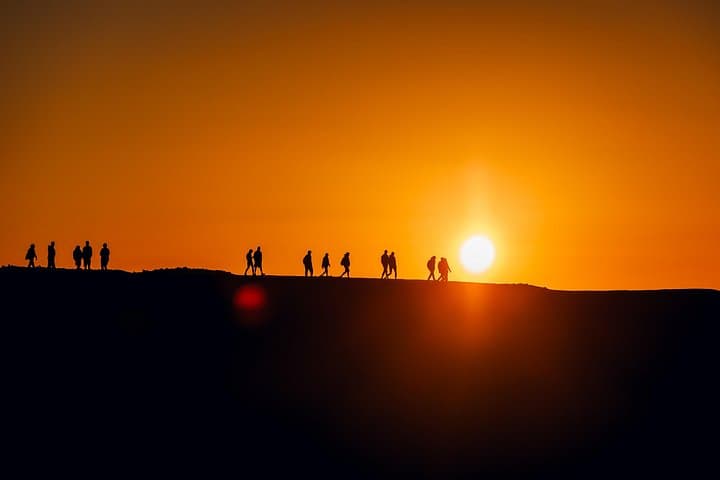
Expect guided, low-grade hikes between 1,800 m and roughly 3,000 m, with the final viewpoint delivering late-day color and a direct line of sight to the summit craters. Practical notes: bring warm, windproof layers as temperatures drop rapidly above 2,000 m; footwear with good grip for loose volcanic gravel; and a headlamp if you’ll descend after sunset. Guides and mountain volcanological staff manage safety and route choice — stick to instructed paths and follow breathing/altitude advice.
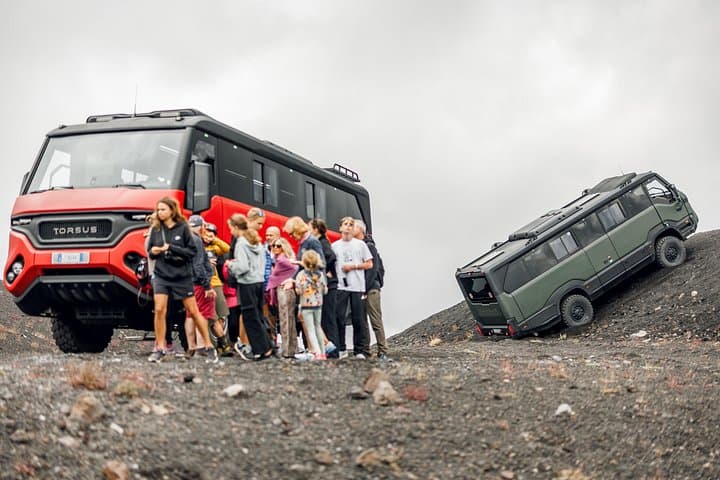
This excursion pairs dramatic recent volcanism with accessible hiking and the predictability of transport in specialized 4x4 buses, making an evening on Etna’s north flank both scenic and straightforward for prepared visitors.
moderate.
3 hours.
Suitable for people who can walk short steep sections and tolerate high-altitude conditions; basic stamina for 1–2 short treks is sufficient.
Walks are short, easy-to-moderate treks on uneven volcanic ground—typically 20–60 minutes at a time with minimal technical difficulty.
The maximum elevation is around 3,000 m; symptoms can occur—move slowly, hydrate, and notify the guide if you feel unwell.
The 4x4 transport is accessible, but the short treks to crater viewpoints involve uneven terrain and are not suitable for wheelchairs.
Yes—low-angle light at sunset is excellent for photography; bring spare batteries as cold drains power faster.
The north flank shows clear evidence of the 2002 eruption, which reshaped trails and destroyed structures like Hotel Le Betulle; Etna has recorded thousands of eruptions over millennia.
Etna Park regulates vehicle access and guided routes; stay on authorized paths, pack out waste, and follow your guide to protect fragile volcanic soils and endemic plants.
Escursioni Etna a 3.000 metri operates guided outdoor trips and adventures with an emphasis on safety, stewardship, and memorable experiences.
The afternoon light thins as the 4x4 rumbles up from Piano Provenzana (1,800 m), the air growing thinner and colder with every switchback. At first, the landscape reads in black and gray: jagged lava folds, the skeletal remains of vegetation, and the solitary ruin of Hotel Le Betulle — a visible scar from the 2002 eruption. Riders disembark for short, easy treks across volcanic sand and rock, moving toward button-like craters born in October 2002 and the larger extinct basins of Umberto and Margherita.
The afternoon light thins as the 4x4 rumbles up from Piano Provenzana (1,800 m), the air growing thinner and colder with every switchback. At first, the landscape reads in black and gray: jagged lava folds, the skeletal remains of vegetation, and the solitary ruin of Hotel Le Betulle — a visible scar from the 2002 eruption. Riders disembark for short, easy treks across volcanic sand and rock, moving toward button-like craters born in October 2002 and the larger extinct basins of Umberto and Margherita.
Geology is the itinerary: layered lava flows, young scoria cones, and the summit relief of Pizzi Deneri where volcanological observatories keep watch. Culturally, northern Etna has long been a working landscape for shepherds and small mountain communities such as Linguaglossa; local guides combine practical trail knowledge with volcanic science.
Expect guided, low-grade hikes between 1,800 m and roughly 3,000 m, with the final viewpoint delivering late-day color and a direct line of sight to the summit craters. Practical notes: bring warm, windproof layers as temperatures drop rapidly above 2,000 m; footwear with good grip for loose volcanic gravel; and a headlamp if you’ll descend after sunset. Guides and mountain volcanological staff manage safety and route choice — stick to instructed paths and follow breathing/altitude advice.
This excursion pairs dramatic recent volcanism with accessible hiking and the predictability of transport in specialized 4x4 buses, making an evening on Etna’s north flank both scenic and straightforward for prepared visitors.