THE ADVENTURE COLLECTIVE® · Independent discovery and booking for outdoor travel

Ascend Etna’s north flank by 4x4 at sunset, walk to crater viewpoints around 2,800 m, then descend for a traditional Sicilian dinner at the volcano’s base. A practical evening adventure that pairs geology with local food.
Ascend Etna’s north flank by 4x4 at sunset, walk to crater viewpoints around 2,800 m, then descend for a traditional Sicilian dinner at the volcano’s base. A practical evening adventure that pairs geology with local food.
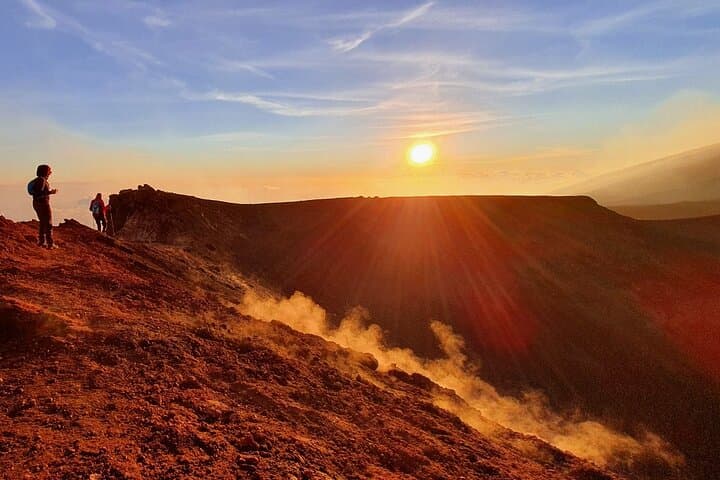
The bus climbs out of the coastal haze and the road paces itself through olive groves and stone-built villages until the air thins and the landscape turns black and sparse. By late afternoon the north flank of Mount Etna takes on a different character — ancient craters sit like scars and recent lava fields catch the last light, while the Ionian Sea gleams far below.
Verified experiences and guided adventures in the surrounding area.
Operated by Beltour Viaggi e Turismo · Catania, Sicily
The bus climbs out of the coastal haze and the road paces itself through olive groves and stone-built villages until the air thins and the landscape turns black and sparse. By late afternoon the north flank of Mount Etna takes on a different character — ancient craters sit like scars and recent lava fields catch the last light, while the Ionian Sea gleams far below.
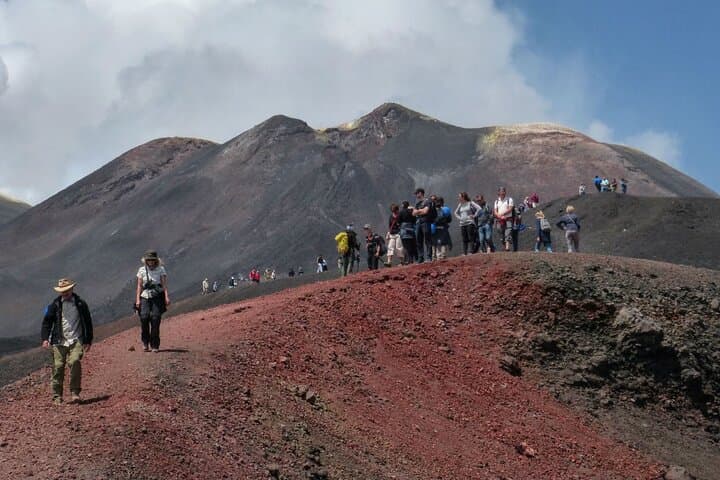
This guided evening tour combines a paved transfer with rugged 4x4 travel from Piano Provenzana to the Volcanological Observatory at about 2,800 m. Guides lead short walks toward Pizzi Deneri and viewpoints over the Valle del Bove, where volcanic geology is obvious: pahoehoe and blocky lava, layers of ash and cone fragments stacked by decades of eruptions. The area’s human story runs alongside the eruptions — farms and villages rebuilt repeatedly, and a long local tradition of wine and pistachio cultivation on the fertile lower slopes.
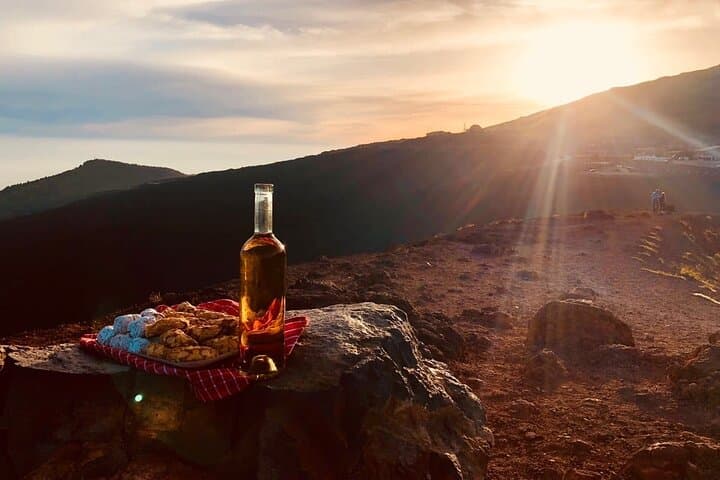
As the sun drops, Etna’s craters throw deep shadows and the wind seems to push the temperature down a few degrees; the guides time the stop for the best panorama, then descend to a nearby restaurant for a straightforward Sicilian dinner of starters, pasta, dessert, water and wine.
Practical guidance: expect cold, windy conditions above 2,000 m, and short rocky walks from vehicle drop-off points. Bring layered clothing, sturdy footwear, and a charged camera; altitude can make the air thin and the light change fast. The tour is accessible to most fitness levels thanks to vehicle access, but those with heart conditions or pregnancy should avoid high-altitude exposure.
easy.
7 hours.
Suitable for people in average physical condition; vehicle access reduces sustained exertion but expect short uphill walking at altitude.
The 4x4 ascent reaches the Volcanological Observatory at approximately 2,800 m with guided walking to viewpoints near 3,000 m depending on conditions.
Yes—vehicle access makes it accessible for many ages, but people with heart problems or who are pregnant are advised not to join due to altitude and rough terrain.
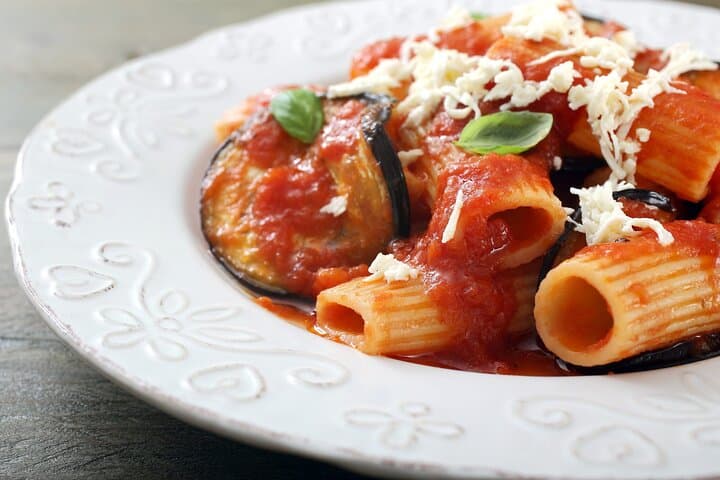
Dinner is a set meal featuring typical Sicilian starters, a first course (pasta), dessert, water and wine at a restaurant at Etna’s foot.
Yes—high winds, poor visibility, or volcanic activity can cause itinerary adjustments or cancellations; refunds are available if canceled 24 hours prior.
Mount Etna has a long record of eruptions that have shaped local settlement and agriculture; communities on its slopes have adapted cultivation practices to volcanic soils over centuries.
The summit environment is fragile—stay on designated paths, follow guide instructions, and avoid disturbing vegetation or rock features to limit erosion and habitat damage.
Beltour Viaggi e Turismo operates guided outdoor trips and adventures with an emphasis on safety, stewardship, and memorable experiences.
The bus climbs out of the coastal haze and the road paces itself through olive groves and stone-built villages until the air thins and the landscape turns black and sparse. By late afternoon the north flank of Mount Etna takes on a different character — ancient craters sit like scars and recent lava fields catch the last light, while the Ionian Sea gleams far below.
The bus climbs out of the coastal haze and the road paces itself through olive groves and stone-built villages until the air thins and the landscape turns black and sparse. By late afternoon the north flank of Mount Etna takes on a different character — ancient craters sit like scars and recent lava fields catch the last light, while the Ionian Sea gleams far below.
This guided evening tour combines a paved transfer with rugged 4x4 travel from Piano Provenzana to the Volcanological Observatory at about 2,800 m. Guides lead short walks toward Pizzi Deneri and viewpoints over the Valle del Bove, where volcanic geology is obvious: pahoehoe and blocky lava, layers of ash and cone fragments stacked by decades of eruptions. The area’s human story runs alongside the eruptions — farms and villages rebuilt repeatedly, and a long local tradition of wine and pistachio cultivation on the fertile lower slopes.
As the sun drops, Etna’s craters throw deep shadows and the wind seems to push the temperature down a few degrees; the guides time the stop for the best panorama, then descend to a nearby restaurant for a straightforward Sicilian dinner of starters, pasta, dessert, water and wine.
Practical guidance: expect cold, windy conditions above 2,000 m, and short rocky walks from vehicle drop-off points. Bring layered clothing, sturdy footwear, and a charged camera; altitude can make the air thin and the light change fast. The tour is accessible to most fitness levels thanks to vehicle access, but those with heart conditions or pregnancy should avoid high-altitude exposure.