THE ADVENTURE COLLECTIVE® · Independent discovery and booking for outdoor travel

Cruise Manhattan’s waterways at sunset with an urban naturalist, watching herons and egrets nest on protected islands while the skyline passes by. This three-hour narrated tour mixes wildlife watching, history, and close-up views of iconic bridges and waterfronts.
Cruise Manhattan’s waterways at sunset with an urban naturalist, watching herons and egrets nest on protected islands while the skyline passes by. This three-hour narrated tour mixes wildlife watching, history, and close-up views of iconic bridges and waterfronts.
You step onto the classic wooden deck at Chelsea Piers as the city shifts from workday to golden hour. The Hudson pushes the boat gently away from Manhattan; gulls wheel and call while the skyline folds into long, warm shadows. The crew trims lines, and an urban naturalist begins a narrated route that reads like a map of New York’s natural margins — islands, inlets, bridges — with the city as both backdrop and neighbor.
Verified experiences and guided adventures in the surrounding area.
Operated by Classic Harbor Line NYC · New York, NY
You step onto the classic wooden deck at Chelsea Piers as the city shifts from workday to golden hour. The Hudson pushes the boat gently away from Manhattan; gulls wheel and call while the skyline folds into long, warm shadows. The crew trims lines, and an urban naturalist begins a narrated route that reads like a map of New York’s natural margins — islands, inlets, bridges — with the city as both backdrop and neighbor.
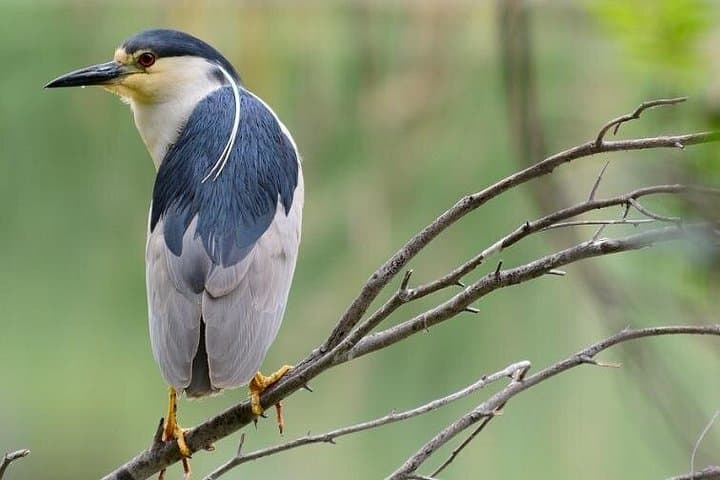
This stretch of New York Harbor carries visible layers of history: glacially scoured channels, Manhattan schist underfoot, and islands that once hosted quarantine hospitals; North Brother Island is where Mary Mallon, known as Typhoid Mary, lived out her final years. Cultural stories of immigration and maritime trade run alongside quieter ecological tales — herons and egrets reclaiming nesting sites on protected islands, gulls patrolling the edges where city meets water.
Expect close passes of Roosevelt Island, North and South Brother Islands, and an under-bridge run beneath the Brooklyn Bridge at sunset, all while guides point out bird colonies and urban wildlife behavior. The cruise is three hours, paced for observation: bring binoculars, a warm layer, and a camera. Small sandwiches and one complimentary beverage are included, but pack any specialized snacks.
Practical notes: arrive 15–30 minutes early to check in at Pier 62, carry photo ID for boarding, and be prepared for wind and spray as the evening cools. Keep voices measured near nesting areas — the islands are protected and wildlife-focused etiquette helps keep these populations thriving.
easy.
3 hours.
Suitable for all fitness levels; the trip is seated and observational with short periods of standing to view.
The cruise departs from and returns to Chelsea Piers, Pier 62; check in at the Classic Harbor Line ticket booth on arrival.
Yes; the outing is low-impact and suitable for all ages, but children should be supervised on deck and accessibility varies by boat—contact the operator if you need assistance boarding.
No; the tour observes islands and wildlife from the water — landing on the Brother Islands is restricted to protect nesting birds and historical structures.
A small sandwich selection and one complimentary beer, wine, champagne, or soda are included; guests with dietary restrictions may bring their own snacks.
North Brother Island housed a municipal quarantine hospital in the early 20th century and is famously associated with Mary Mallon, known as Typhoid Mary, who died there in 1938.
The Brother Islands are protected to safeguard nesting birds; visitors should observe from the water and follow guidance from naturalists to minimize disturbance.
Classic Harbor Line NYC operates guided outdoor trips and adventures with an emphasis on safety, stewardship, and memorable experiences.
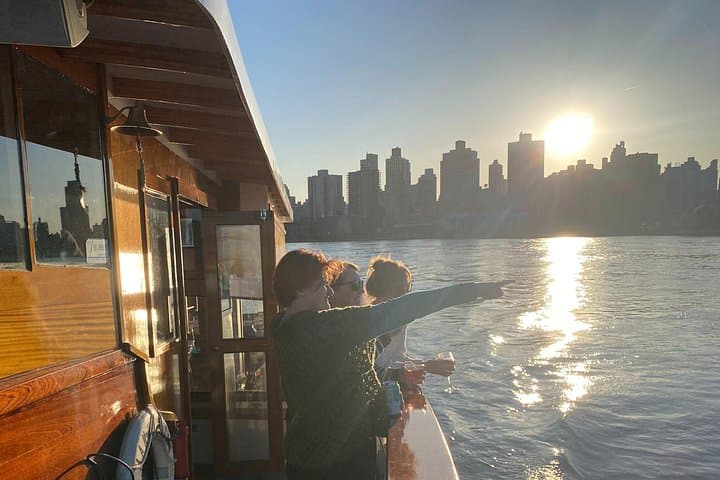
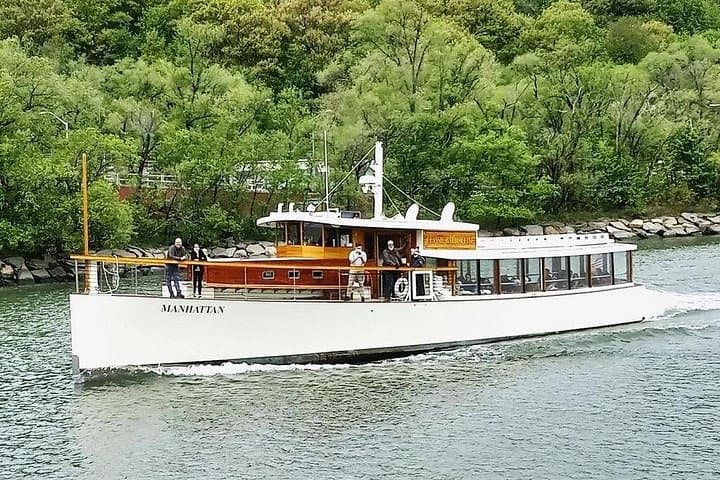
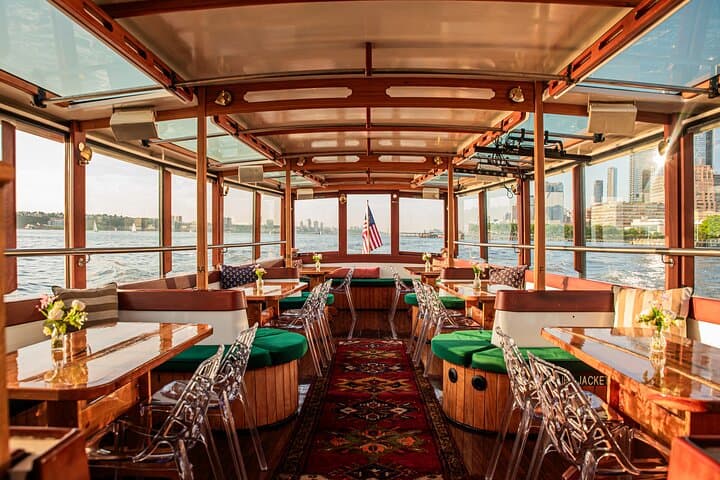
You step onto the classic wooden deck at Chelsea Piers as the city shifts from workday to golden hour. The Hudson pushes the boat gently away from Manhattan; gulls wheel and call while the skyline folds into long, warm shadows. The crew trims lines, and an urban naturalist begins a narrated route that reads like a map of New York’s natural margins — islands, inlets, bridges — with the city as both backdrop and neighbor.
You step onto the classic wooden deck at Chelsea Piers as the city shifts from workday to golden hour. The Hudson pushes the boat gently away from Manhattan; gulls wheel and call while the skyline folds into long, warm shadows. The crew trims lines, and an urban naturalist begins a narrated route that reads like a map of New York’s natural margins — islands, inlets, bridges — with the city as both backdrop and neighbor.
This stretch of New York Harbor carries visible layers of history: glacially scoured channels, Manhattan schist underfoot, and islands that once hosted quarantine hospitals; North Brother Island is where Mary Mallon, known as Typhoid Mary, lived out her final years. Cultural stories of immigration and maritime trade run alongside quieter ecological tales — herons and egrets reclaiming nesting sites on protected islands, gulls patrolling the edges where city meets water.
Expect close passes of Roosevelt Island, North and South Brother Islands, and an under-bridge run beneath the Brooklyn Bridge at sunset, all while guides point out bird colonies and urban wildlife behavior. The cruise is three hours, paced for observation: bring binoculars, a warm layer, and a camera. Small sandwiches and one complimentary beverage are included, but pack any specialized snacks.
Practical notes: arrive 15–30 minutes early to check in at Pier 62, carry photo ID for boarding, and be prepared for wind and spray as the evening cools. Keep voices measured near nesting areas — the islands are protected and wildlife-focused etiquette helps keep these populations thriving.