THE ADVENTURE COLLECTIVE® · Independent discovery and booking for outdoor travel

Glide along the Nile at dusk on a private two-hour kayak tour from Luxor. Quiet water, village life along the shore, and close-up views of the river that built Egypt combine for a peaceful, beginner-friendly paddle.
Glide along the Nile at dusk on a private two-hour kayak tour from Luxor. Quiet water, village life along the shore, and close-up views of the river that built Egypt combine for a peaceful, beginner-friendly paddle.
The river takes the lead as you step into a sit-on-top kayak and push off from a quiet Luxor bank. In the cooling hour before dusk the Nile eases you westward; reeds whisper against the hull and local fishermen nod as they mend nets. The city’s temples sit across the water like stone punctuation marks, but here the focus is on the slow, living river.
Verified experiences and guided adventures in the surrounding area.
Operated by Saray El-Nile · Luxor, Luxor Governorate
The river takes the lead as you step into a sit-on-top kayak and push off from a quiet Luxor bank. In the cooling hour before dusk the Nile eases you westward; reeds whisper against the hull and local fishermen nod as they mend nets. The city’s temples sit across the water like stone punctuation marks, but here the focus is on the slow, living river.
This stretch of the Nile has been a transport corridor since pharaonic times — the same current that carried goods to Karnak and Luxor Temple now carries tourists seeking a low-impact view of daily life. Geologically the river corridor is a broad alluvial plain; the paddling is flatwater with virtually no elevation change and few obstacles, though occasional motorboat wakes require attention.
Culturally the paddle crosses a working landscape: palm groves, small farms, and riverine villages where feluccas and donkeys remain part of routine. Birds use the river’s edges as staging areas; you may hear the sharp call of kingfishers or see Egyptian geese quartering the shallows.
Practical guidance: the outing is two hours and typically covers about 5–8 km depending on pace and wind. Guides supply modern kayaks, life jackets, bottled water and a short paddling briefing, and private transfers are included. Bring a brimmed hat, sunscreen, a lightweight waterproof layer, and closed-toe water shoes. Time your tour for the last hour of daylight to catch long shadows and cool temperatures; mornings work well for calmer water. Respect local residents on the shore, keep noise low, and pack out any trash — the river is both a playground and a lifeline.
easy.
2 hours.
Suitable for most fitness levels; basic seated paddling for up to two hours.
No — the tour includes a safety briefing and basic instruction; it’s designed for beginners and confident novices.
Yes — private air-conditioned pickup and drop-off from hotels or Nile cruises are included with the tour.
Sunset and sunrise both offer calm light and cooler temperatures; sunset emphasizes golden light on temple facades while sunrise is usually quieter on the water.
Yes — life jackets and all safety gear are provided and must be worn for the duration of the paddle.
The Nile at Luxor has been the artery of settlement for millennia; paddling the river echoes ancient routes used to move stone, grain and people between temples and fields.
Choose operators who limit group size and enforce carry-out policies; avoid plastic waste and steer clear of nesting birds to minimize disturbance.
Saray El-Nile operates guided outdoor trips and adventures with an emphasis on safety, stewardship, and memorable experiences.
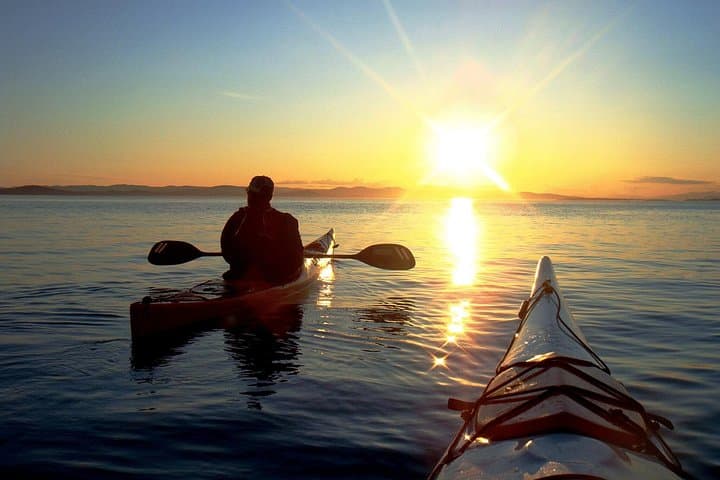
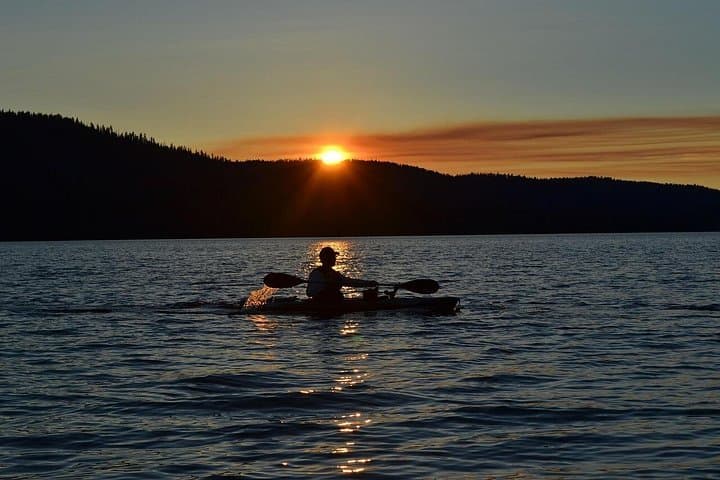
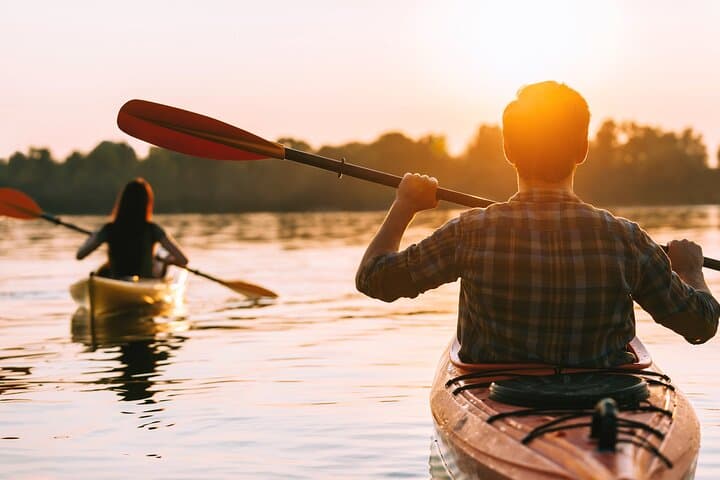
The river takes the lead as you step into a sit-on-top kayak and push off from a quiet Luxor bank. In the cooling hour before dusk the Nile eases you westward; reeds whisper against the hull and local fishermen nod as they mend nets. The city’s temples sit across the water like stone punctuation marks, but here the focus is on the slow, living river.
The river takes the lead as you step into a sit-on-top kayak and push off from a quiet Luxor bank. In the cooling hour before dusk the Nile eases you westward; reeds whisper against the hull and local fishermen nod as they mend nets. The city’s temples sit across the water like stone punctuation marks, but here the focus is on the slow, living river.
This stretch of the Nile has been a transport corridor since pharaonic times — the same current that carried goods to Karnak and Luxor Temple now carries tourists seeking a low-impact view of daily life. Geologically the river corridor is a broad alluvial plain; the paddling is flatwater with virtually no elevation change and few obstacles, though occasional motorboat wakes require attention.
Culturally the paddle crosses a working landscape: palm groves, small farms, and riverine villages where feluccas and donkeys remain part of routine. Birds use the river’s edges as staging areas; you may hear the sharp call of kingfishers or see Egyptian geese quartering the shallows.
Practical guidance: the outing is two hours and typically covers about 5–8 km depending on pace and wind. Guides supply modern kayaks, life jackets, bottled water and a short paddling briefing, and private transfers are included. Bring a brimmed hat, sunscreen, a lightweight waterproof layer, and closed-toe water shoes. Time your tour for the last hour of daylight to catch long shadows and cool temperatures; mornings work well for calmer water. Respect local residents on the shore, keep noise low, and pack out any trash — the river is both a playground and a lifeline.