THE ADVENTURE COLLECTIVE® · Independent discovery and booking for outdoor travel

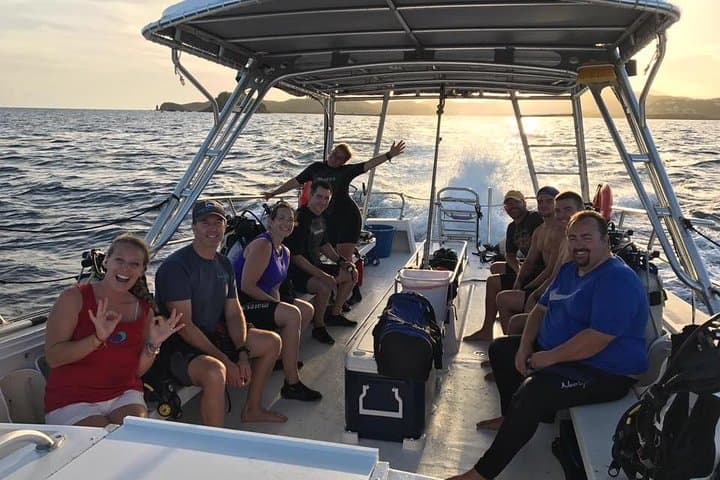
Board a small boat, catch the St. Thomas sunset, then slip beneath the surface to watch reefs wake at night. This certified-night dive offers close encounters with lobsters, squid and the eerie calm of nocturnal coral life.
Board a small boat, catch the St. Thomas sunset, then slip beneath the surface to watch reefs wake at night. This certified-night dive offers close encounters with lobsters, squid and the eerie calm of nocturnal coral life.
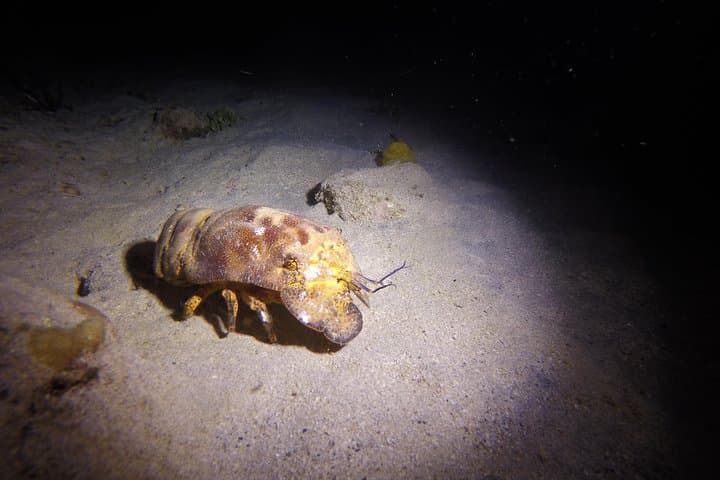
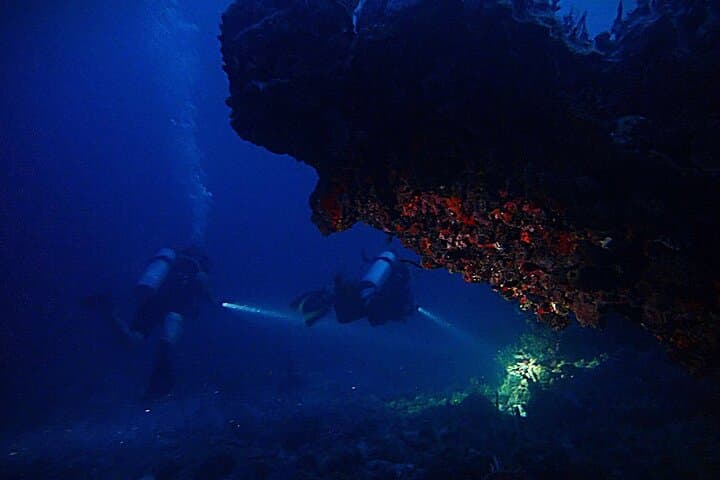
You slide off the boat just after dusk, the last light cutting across glassy water while the captain radios one last check. A soft beam from your flashlight parts the dark; coral ridges shift from muted shapes into a fluttering metropolis. Lobsters and squid begin their rounds, and the reef's nocturnal chorus pushes you forward.
Verified experiences and guided adventures in the surrounding area.
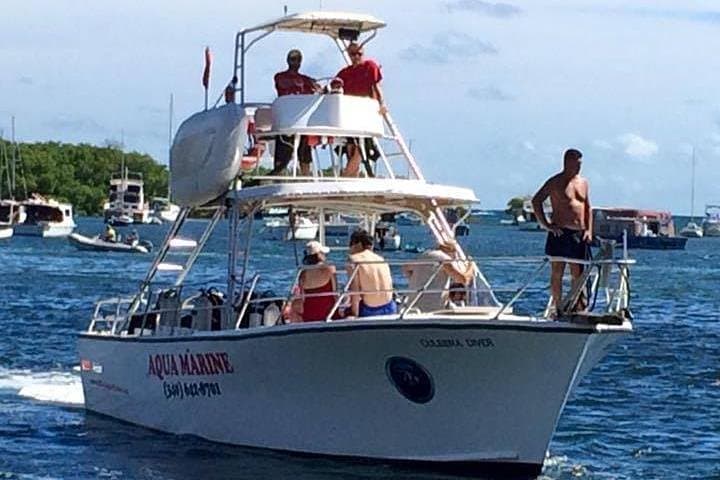
Operated by Aqua Marine Dive Center · Charlotte Amalie, U.S. Virgin Islands
You slide off the boat just after dusk, the last light cutting across glassy water while the captain radios one last check. A soft beam from your flashlight parts the dark; coral ridges shift from muted shapes into a fluttering metropolis. Lobsters and squid begin their rounds, and the reef's nocturnal chorus pushes you forward.
St. Thomas sits on volcanic and carbonate foundations shaped by tectonics and tropical seas; its reefs grew on these skeletons over centuries and now harbor both native fisheries and dive tourism. The harbor town of Charlotte Amalie still carries Danish-era forts and shipyard scars—reminders that these waters have supported sailors and trade for generations.
Expect ledges, small walls and sandy channels on a typical night dive here; visibility is usually good but depends on trade winds and recent storms. The trip departs from Saga Haven/Crown Bay area and runs about 2.5 hours including boat transit and surface briefing. Guides scan for night-active species—lobster, squid, shrimp and occasionally sleepy nurse sharks—and use red-filtered lights to keep animals calm. Everyone must present open-water certification and recent dive logs; groups are intentionally small (max eight) to reduce disturbance.
Practically: avoid flying within 18 hours of the dive, hydrate before boarding, and bring your certification card and warm top for the post-dive breeze. Equipment and flashlights are provided, but a well-fitted mask and personal dive computer improve comfort. Night diving reframes a familiar reef—quiet, intimate and quietly insistent, tugging you deeper into a different ocean rhythm.
moderate.
2–3 hours.
Moderate fitness; comfortable with basic scuba skills and boat transfers
Yes—participants must show proof of open-water (or higher) certification and recent dive experience; evidence is checked before boarding.
The tour departs from Saga Haven/Crown Bay area in St. Thomas and runs about 150 minutes total, including briefing and transit; the in-water portion is typically shorter.
This activity is not recommended for travelers with significant cardiovascular or spinal problems; consult your physician and the operator before booking.
Yes—use of SCUBA equipment and dive flashlights is included, though many divers prefer to bring their own mask or computer.
St. Thomas’s harbor grew under Danish colonial rule into a strategic naval and trade hub; many dive sites sit near historic wrecks and colonial-era anchorages.
Local operators follow reef-friendly practices—avoid touching coral, use reef-safe sunscreen and keep groups small to limit impact on nocturnal species.
Aqua Marine Dive Center operates guided outdoor trips and adventures with an emphasis on safety, stewardship, and memorable experiences.
You slide off the boat just after dusk, the last light cutting across glassy water while the captain radios one last check. A soft beam from your flashlight parts the dark; coral ridges shift from muted shapes into a fluttering metropolis. Lobsters and squid begin their rounds, and the reef's nocturnal chorus pushes you forward.
You slide off the boat just after dusk, the last light cutting across glassy water while the captain radios one last check. A soft beam from your flashlight parts the dark; coral ridges shift from muted shapes into a fluttering metropolis. Lobsters and squid begin their rounds, and the reef's nocturnal chorus pushes you forward.
St. Thomas sits on volcanic and carbonate foundations shaped by tectonics and tropical seas; its reefs grew on these skeletons over centuries and now harbor both native fisheries and dive tourism. The harbor town of Charlotte Amalie still carries Danish-era forts and shipyard scars—reminders that these waters have supported sailors and trade for generations.
Expect ledges, small walls and sandy channels on a typical night dive here; visibility is usually good but depends on trade winds and recent storms. The trip departs from Saga Haven/Crown Bay area and runs about 2.5 hours including boat transit and surface briefing. Guides scan for night-active species—lobster, squid, shrimp and occasionally sleepy nurse sharks—and use red-filtered lights to keep animals calm. Everyone must present open-water certification and recent dive logs; groups are intentionally small (max eight) to reduce disturbance.
Practically: avoid flying within 18 hours of the dive, hydrate before boarding, and bring your certification card and warm top for the post-dive breeze. Equipment and flashlights are provided, but a well-fitted mask and personal dive computer improve comfort. Night diving reframes a familiar reef—quiet, intimate and quietly insistent, tugging you deeper into a different ocean rhythm.