THE ADVENTURE COLLECTIVE® · Independent discovery and booking for outdoor travel

Find a quiet hour among ancient stone as the sun slides over Luxor's west bank. This private half-day pairs a guided visit to Hatshepsut's terraces with a meditative pause at Habu Temple, timed for sunset and low light.
Find a quiet hour among ancient stone as the sun slides over Luxor's west bank. This private half-day pairs a guided visit to Hatshepsut's terraces with a meditative pause at Habu Temple, timed for sunset and low light.
Arrive as the Nile slims to a ribbon of gold and the west bank's stones begin to hold the day's heat. You stand before the stepped façade of Hatshepsut's mortuary temple, columns and terraces carved into limestone cliffs, while a later visit to Habu Temple places you beneath fortress-like walls etched with pharaonic reliefs. Close your eyes: wind from the valley carries dust and date-palm scent, the stones hum with long human history, and the light softens into the kind of silence suited to meditation.
Verified experiences and guided adventures in the surrounding area.
Operated by Egypt Sunny Tours · Luxor, Luxor Governorate
Arrive as the Nile slims to a ribbon of gold and the west bank's stones begin to hold the day's heat. You stand before the stepped façade of Hatshepsut's mortuary temple, columns and terraces carved into limestone cliffs, while a later visit to Habu Temple places you beneath fortress-like walls etched with pharaonic reliefs. Close your eyes: wind from the valley carries dust and date-palm scent, the stones hum with long human history, and the light softens into the kind of silence suited to meditation.
The two sites reflect different chapters of New Kingdom Egypt — Hatshepsut's architectural revival and Habu's association with Ramesses III and military triumphs. Geologically the setting is dramatic: pale Tethys-era limestone cliffs rising above the Nile's floodplain, creating natural acoustics and sheltered terraces. Culturally, these temples were ritual centers; today they function as open-air museums and contemplative spaces where visitors can witness layered carving styles and later-period restorations.
Practically, this private half-day combines brief guided interpretation with structured quiet time. Expect moderate walking across uneven stone, terraced ramps, and occasional stairs; total tour time is about four hours with entry fees included. Bring sun protection, a small bottle of water, and shoes suited to rocky surfaces. Early evening timing keeps temperatures manageable and delivers the best light for photography and meditation.
Local guides often weave mythic stories with practical cues on respectful behavior: keep voices low, avoid sitting on fragile reliefs, and coordinate logistics with your pickup. For planners, the tour is accessible for most fitness levels and offers a compact, low-impact way to connect with Luxor's monumental past while finding a quiet moment in monumental space.
easy.
4 hours.
Suitable for most fitness levels; requires short walks on uneven stone and some steps.
No—guides can lead simple, inclusive meditation practices suitable for beginners and experienced practitioners alike.
Yes; the tour description notes that admission to both Hatshepsut and Habu temples is included in the booking.
Expect short walks across temple terraces and ramps—overall activity is low impact but involves uneven ground and steps.
Yes; this is listed as a private half-day tour, allowing some flexibility in pacing and focus between guided history and meditation time.
Hatshepsut's mortuary temple (Deir el-Bahari) is a New Kingdom innovation built into limestone cliffs; nearby Habu gained prominence under Ramesses III for its monumental reliefs documenting military and religious life.
Visitor impact is managed by site regulations—stay on designated paths, avoid touching reliefs, and follow your guide to minimize wear on ancient stone.
Egypt Sunny Tours operates guided outdoor trips and adventures with an emphasis on safety, stewardship, and memorable experiences.



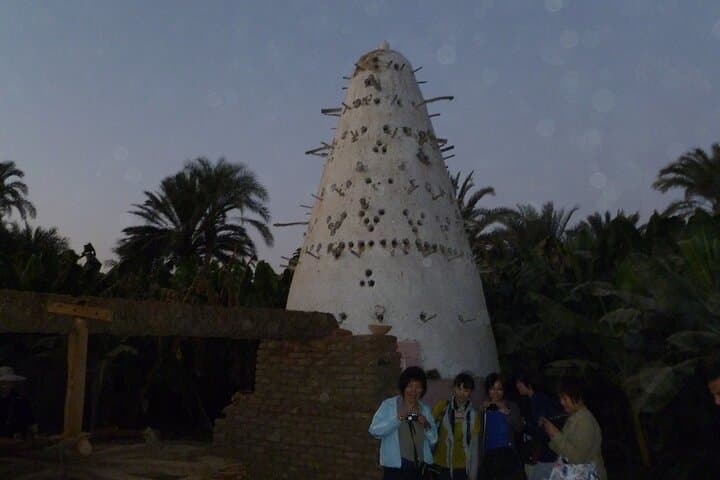
Arrive as the Nile slims to a ribbon of gold and the west bank's stones begin to hold the day's heat. You stand before the stepped façade of Hatshepsut's mortuary temple, columns and terraces carved into limestone cliffs, while a later visit to Habu Temple places you beneath fortress-like walls etched with pharaonic reliefs. Close your eyes: wind from the valley carries dust and date-palm scent, the stones hum with long human history, and the light softens into the kind of silence suited to meditation.
Arrive as the Nile slims to a ribbon of gold and the west bank's stones begin to hold the day's heat. You stand before the stepped façade of Hatshepsut's mortuary temple, columns and terraces carved into limestone cliffs, while a later visit to Habu Temple places you beneath fortress-like walls etched with pharaonic reliefs. Close your eyes: wind from the valley carries dust and date-palm scent, the stones hum with long human history, and the light softens into the kind of silence suited to meditation.
The two sites reflect different chapters of New Kingdom Egypt — Hatshepsut's architectural revival and Habu's association with Ramesses III and military triumphs. Geologically the setting is dramatic: pale Tethys-era limestone cliffs rising above the Nile's floodplain, creating natural acoustics and sheltered terraces. Culturally, these temples were ritual centers; today they function as open-air museums and contemplative spaces where visitors can witness layered carving styles and later-period restorations.
Practically, this private half-day combines brief guided interpretation with structured quiet time. Expect moderate walking across uneven stone, terraced ramps, and occasional stairs; total tour time is about four hours with entry fees included. Bring sun protection, a small bottle of water, and shoes suited to rocky surfaces. Early evening timing keeps temperatures manageable and delivers the best light for photography and meditation.
Local guides often weave mythic stories with practical cues on respectful behavior: keep voices low, avoid sitting on fragile reliefs, and coordinate logistics with your pickup. For planners, the tour is accessible for most fitness levels and offers a compact, low-impact way to connect with Luxor's monumental past while finding a quiet moment in monumental space.