THE ADVENTURE COLLECTIVE® · Independent discovery and booking for outdoor travel

Glide through Diani Beach’s mangrove creeks as the sun drops behind the palms. This two-hour guided canoe tour pairs wildlife spotting with local storytelling and hands-on conservation.
Glide through Diani Beach’s mangrove creeks as the sun drops behind the palms. This two-hour guided canoe tour pairs wildlife spotting with local storytelling and hands-on conservation.
The canoe slips forward as the sky bruises into orange; mangrove roots thread the water like the ribs of the coast and birds call from shadowed branches. Your guide, Omari, rows in silence when the moment calls for it and fills the rest with local knowledge—about tides, nests, and the villages that line the creek.
Verified experiences and guided adventures in the surrounding area.
Operated by Travel4Purpose · Diani Beach, Kwale County
The canoe slips forward as the sky bruises into orange; mangrove roots thread the water like the ribs of the coast and birds call from shadowed branches. Your guide, Omari, rows in silence when the moment calls for it and fills the rest with local knowledge—about tides, nests, and the villages that line the creek.
These mangroves form the transition where river meets the Indian Ocean: peat-rich mud, stilted roots and narrow creeks carved by tidal flow. For generations, local communities have harvested small catches and used mangrove charcoal, but recent conservation and community planting programs have shifted economic incentives toward protection and eco-tourism.
Expect a slow, two-hour paddle in a traditional wooden canoe with no engine, designed to keep disturbance low. Wildlife is the main attraction—kingfishers and waders hunt the shallows while occasional monitors and mudskippers patrol the banks. Cultural moments—visiting a riverside village or hearing oral histories—are woven into the route.
Practicals: depart about 45–60 minutes before sunset to catch changing light and calmer tides. The route is low-effort but demands sun protection, insect repellent, and a steady balance when stepping in and out of the canoe. Swimming is offered at calm spots; follow the guide’s call on currents and depth. Bring water, a dry bag for electronics, and respect the mangroves—don’t pull on roots or disturb bird nests. The trip is ideal for families, couples, and solo travelers who want a relaxed, informative entrance into Diani’s coastal ecology.
easy.
2 hours.
Suitable for most fitness levels; requires basic balance for canoe entry/exit and short standing periods
No—guides handle navigation and rowing; guests can paddle if they wish, but balance for entry/exit is all that’s needed.
Yes—this tour is family-friendly; infant seats are available and guides accommodate different ages, but supervision is required.
Public transportation options are nearby; check with the operator for hotel pickup or local transfer recommendations.
Yes—there are calm spots for a short swim if conditions and the guide permit; always follow the guide’s safety briefing about currents and depth.
Coastal communities around Diani have historically relied on mangroves for fishing, shelter and small-scale charcoal, but have increasingly engaged in planting and eco-tourism to diversify income.
The tour supports local mangrove planting and avoids engines to reduce pollution and disturbance; staying on designated routes minimizes root damage and protects bird colonies.
Travel4Purpose operates guided outdoor trips and adventures with an emphasis on safety, stewardship, and memorable experiences.
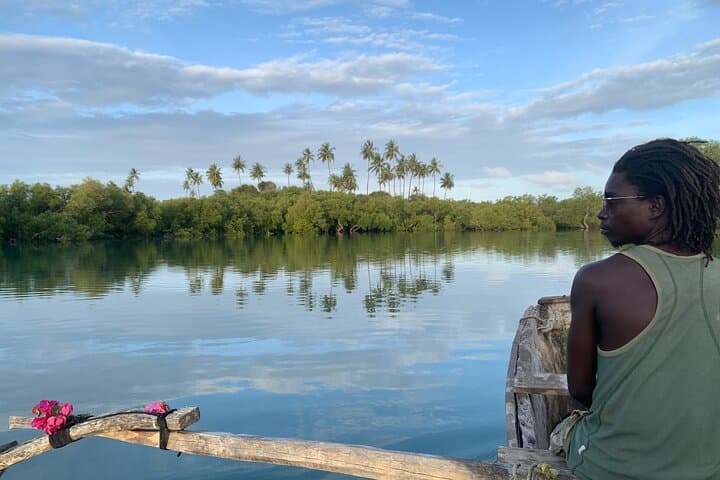
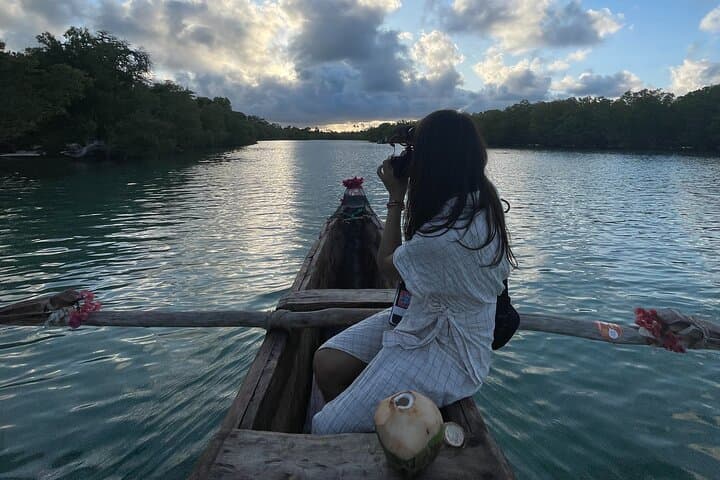
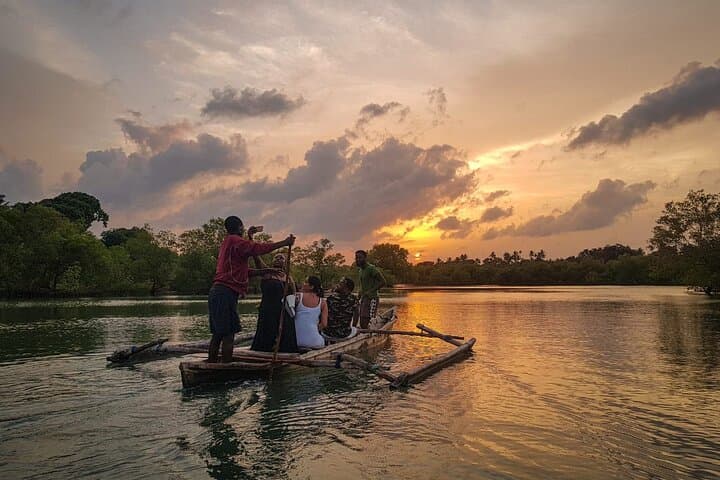
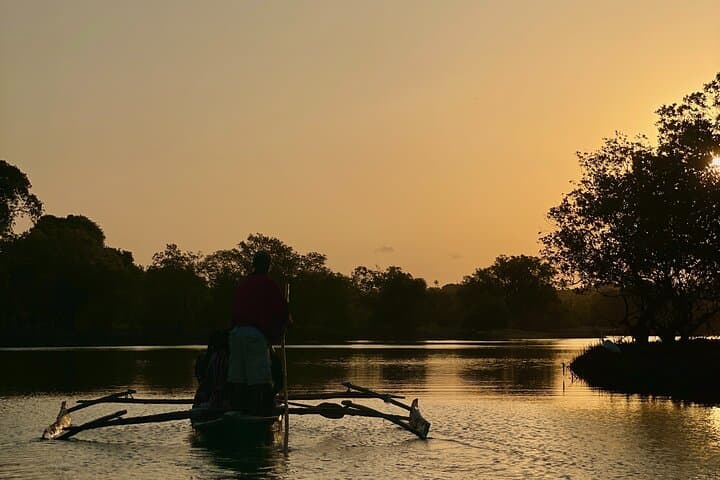
The canoe slips forward as the sky bruises into orange; mangrove roots thread the water like the ribs of the coast and birds call from shadowed branches. Your guide, Omari, rows in silence when the moment calls for it and fills the rest with local knowledge—about tides, nests, and the villages that line the creek.
The canoe slips forward as the sky bruises into orange; mangrove roots thread the water like the ribs of the coast and birds call from shadowed branches. Your guide, Omari, rows in silence when the moment calls for it and fills the rest with local knowledge—about tides, nests, and the villages that line the creek.
These mangroves form the transition where river meets the Indian Ocean: peat-rich mud, stilted roots and narrow creeks carved by tidal flow. For generations, local communities have harvested small catches and used mangrove charcoal, but recent conservation and community planting programs have shifted economic incentives toward protection and eco-tourism.
Expect a slow, two-hour paddle in a traditional wooden canoe with no engine, designed to keep disturbance low. Wildlife is the main attraction—kingfishers and waders hunt the shallows while occasional monitors and mudskippers patrol the banks. Cultural moments—visiting a riverside village or hearing oral histories—are woven into the route.
Practicals: depart about 45–60 minutes before sunset to catch changing light and calmer tides. The route is low-effort but demands sun protection, insect repellent, and a steady balance when stepping in and out of the canoe. Swimming is offered at calm spots; follow the guide’s call on currents and depth. Bring water, a dry bag for electronics, and respect the mangroves—don’t pull on roots or disturb bird nests. The trip is ideal for families, couples, and solo travelers who want a relaxed, informative entrance into Diani’s coastal ecology.