THE ADVENTURE COLLECTIVE® · Independent discovery and booking for outdoor travel

Watch the Kecak fire dance on the cliff edge at Uluwatu Temple as sunset turns the ocean into a dark stage. This private, guided outing includes transport, bottled water and a front-row view of Balinese ritual theatre.
Watch the Kecak fire dance on the cliff edge at Uluwatu Temple as sunset turns the ocean into a dark stage. This private, guided outing includes transport, bottled water and a front-row view of Balinese ritual theatre.
The cliff breathes first: wind sweeping salt and incense across the limestone edge as a chorus of men begins the hypnotic ‘cak’—a sound that feels like the cliff itself has found a voice.
Verified experiences and guided adventures in the surrounding area.
Operated by JULI BALI TOUR · Pecatu, Bali
The cliff breathes first: wind sweeping salt and incense across the limestone edge as a chorus of men begins the hypnotic ‘cak’—a sound that feels like the cliff itself has found a voice.
Pura Luhur Uluwatu sits on coral-limestone cliffs roughly 70 meters above the Indian Ocean, where waves push and pry at rock that rose from the sea over millennia. The Kecak fire dance performed here at sunset reworks episodes from the Ramayana into a dramatic vocal-only chorus and fire ritual, a theatrical practice shaped in the 20th century from older Balinese story-singing. The temple area carries layers of history tied to itinerant priests—most notably Dang Hyang Nirartha in the 16th century—and to Bali’s coastal ritual life.
Expect an amphitheater carved into the cliff rim, an hour-long performance timed to sunset, and the sudden flare of firelight against dark sea. Monkeys patrol terraces with the same casual authority as vendors selling sarongs and refreshments; treat both with basic caution. The tour typically includes private, air-conditioned transport, bottled water, and parking fees, and runs about 6–7 hours when combined with pickup from southern Bali.
Practical edge: arrive early for good seats and clear views of the choreography and sunset; wear modest clothing for the temple and secure your belongings against curious macaques. If mobility is limited, check access options ahead—some areas require steep steps. The experience is equal parts cultural encounter and raw coastal theatre: the sea insists, the chorus replies, and the fire answers.
easy.
6–7 hours.
Accessible for most fitness levels; expect some stairs and short uneven sections at the cliff-top venue.
Yes—children can enjoy the rhythmic chanting and fire effects, though seating and steps may require supervision.
Many private tours include transport and guidance but tickets are often purchased at the venue or pre-booked—confirm with your operator.
Some pathways and viewing areas are wheelchair accessible, but steep steps and uneven cliff-edge terraces exist—check the operator’s accessibility details before booking.
Keep distance, secure loose items, don’t feed them, and follow on-site staff guidance—macaques are protected and can be aggressive over food.
Uluwatu is one of Bali’s prominent sea temples with medieval roots and associations with the 16th-century priest Dang Hyang Nirartha; the site has long been linked to coastal rituals and pilgrimage.
Erosion and heavy visitor numbers stress the cliffs and temple grounds; avoid feeding wildlife, stick to marked paths, and support licensed guides and local vendors.
JULI BALI TOUR operates guided outdoor trips and adventures with an emphasis on safety, stewardship, and memorable experiences.
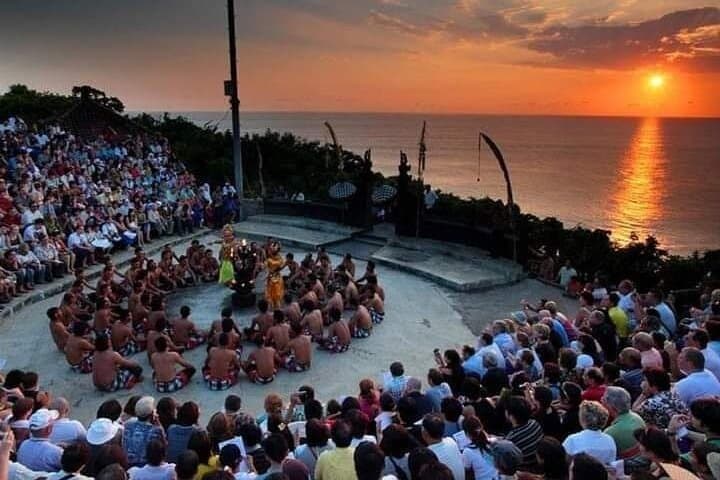
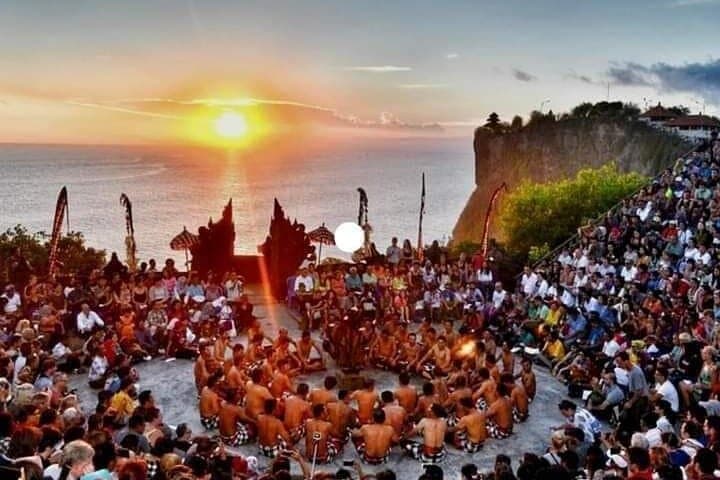
The cliff breathes first: wind sweeping salt and incense across the limestone edge as a chorus of men begins the hypnotic ‘cak’—a sound that feels like the cliff itself has found a voice.
The cliff breathes first: wind sweeping salt and incense across the limestone edge as a chorus of men begins the hypnotic ‘cak’—a sound that feels like the cliff itself has found a voice.
Pura Luhur Uluwatu sits on coral-limestone cliffs roughly 70 meters above the Indian Ocean, where waves push and pry at rock that rose from the sea over millennia. The Kecak fire dance performed here at sunset reworks episodes from the Ramayana into a dramatic vocal-only chorus and fire ritual, a theatrical practice shaped in the 20th century from older Balinese story-singing. The temple area carries layers of history tied to itinerant priests—most notably Dang Hyang Nirartha in the 16th century—and to Bali’s coastal ritual life.
Expect an amphitheater carved into the cliff rim, an hour-long performance timed to sunset, and the sudden flare of firelight against dark sea. Monkeys patrol terraces with the same casual authority as vendors selling sarongs and refreshments; treat both with basic caution. The tour typically includes private, air-conditioned transport, bottled water, and parking fees, and runs about 6–7 hours when combined with pickup from southern Bali.
Practical edge: arrive early for good seats and clear views of the choreography and sunset; wear modest clothing for the temple and secure your belongings against curious macaques. If mobility is limited, check access options ahead—some areas require steep steps. The experience is equal parts cultural encounter and raw coastal theatre: the sea insists, the chorus replies, and the fire answers.