THE ADVENTURE COLLECTIVE® · Independent discovery and booking for outdoor travel

Paddle past steaming shorelines and geyser basins as the Absaroka Mountains glow at sunset. This small-group, guide-led kayak tour on Yellowstone Lake combines rare geothermal views with expert safety and local insight.
Paddle past steaming shorelines and geyser basins as the Absaroka Mountains glow at sunset. This small-group, guide-led kayak tour on Yellowstone Lake combines rare geothermal views with expert safety and local insight.
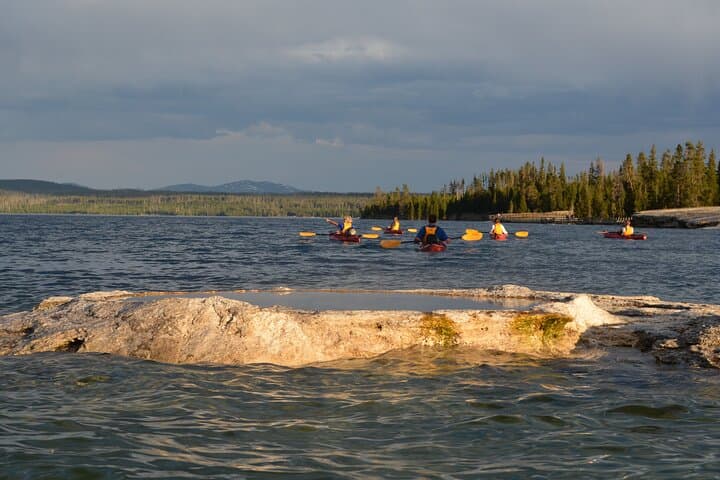
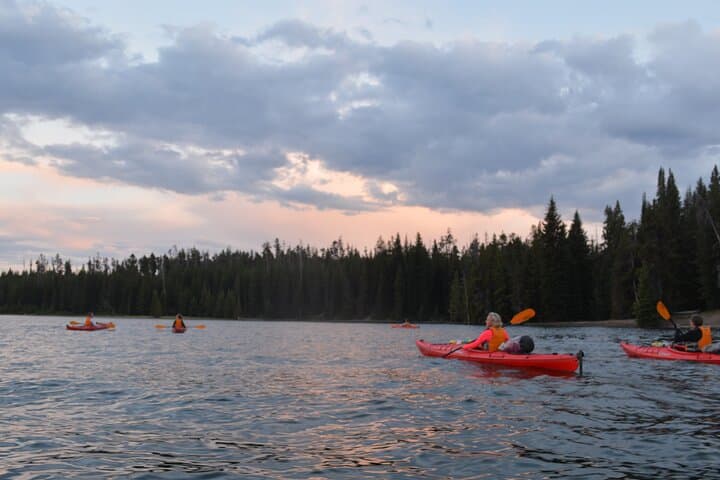
The paddle begins in a cool hush: the wind slow, the lake glassy, and the Absaroka range folding into long purple shadows. As your guide loads the last kayaks at Grant Village, steam from nearby thermal basins hangs low like fog over the shoreline. You push off and the water takes the rhythm of your strokes, each blade opening a band of reflected sky that the coming sun will soon paint orange and rose.
Verified experiences and guided adventures in the surrounding area.
Operated by Shurr Adventures Everglades · Grant Village, Wyoming
The paddle begins in a cool hush: the wind slow, the lake glassy, and the Absaroka range folding into long purple shadows. As your guide loads the last kayaks at Grant Village, steam from nearby thermal basins hangs low like fog over the shoreline. You push off and the water takes the rhythm of your strokes, each blade opening a band of reflected sky that the coming sun will soon paint orange and rose.
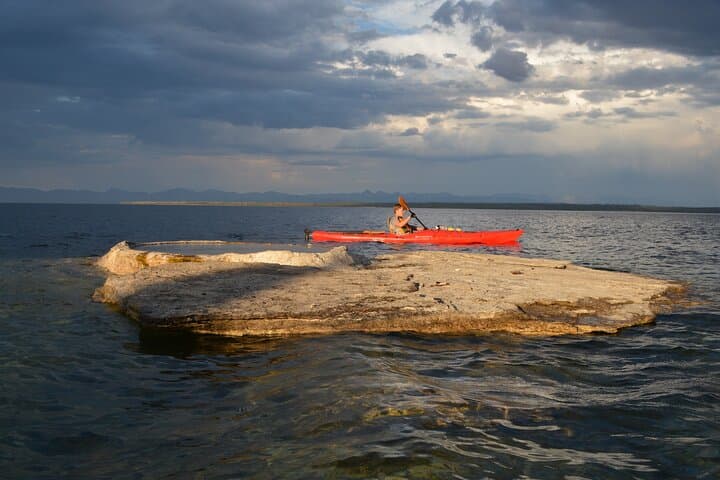
Yellowstone Lake is not just water—it's the surface of a living volcano. The lake sits in the park’s caldera and its shoreline is laced with thermal features: hot springs, fumaroles, and basins that steam at the edge of the paddle route. The tour threads past West Thumb and the Potts Geyser Basin, giving paddlers a rare vantage where geology and hydrology are visible together—the geological story of eruptions, uplift, and hydrothermal plumbing that still steams today.
Culturally the lake was a seasonal hunting and fishing area for Indigenous tribes long before Euro-American explorers arrived. Modern guides lean on that lived knowledge while pointing out species and human history—how cutthroat trout populations once supported native communities and how the park’s formation changed access and protection.
Practically, this is a guided, small-group sunset paddle—four hours from meeting to finish, with experienced Level 3 ACA rescue guides running the trip. Expect 3–6 miles of paddling depending on wind and routing; the guides pick lines that minimize fetch but maximize view. Weather is the wildcard—sunset runs are canceled more often than morning outings, and wind can turn a placid bay into a choppy challenge.
For first-timers: choose a tandem if you’re unsure about sustained paddling. Bring synthetic layers, a splash jacket, and secure dry bags—water temperature can be in the high 30s°F, and getting wet will be memorable for the wrong reasons. Hydrate before you arrive; organizers supply snacks and bottled water but small reusable bottles and fingers that can snap a photo from a dry box are recommended.
Logistics are straightforward but specific: meet at the Grant Village lakeshore near the general store (GPS: 44.391999, -110.547999). Cell service is spotty; follow emailed directions and arrive early for gear fitting. If the weather cooperates, the sunset here is a quiet, cinematic show—mountains glowing behind steam plumes and the water daring you forward, one stroke at a time.
moderate.
3–4 hours.
Moderate cardiovascular fitness and core strength recommended; ability to paddle continuously for up to 1.5–2 hours.
Arrive 20–30 minutes before the start time at the Grant Village lakeshore near the general store (GPS: 44.391999, -110.547999); guides will fit gear and run a safety briefing.
Yes—sunset trips are canceled more often than morning due to winds or storms; you'll get a full refund if canceled at least 24 hours before departure per the policy.
Yes—beginners can join but tandems are recommended if you don't exercise regularly or lack paddling experience; guides provide instruction and safety support.
Both options are available; book a tandem if you want a partner or if you're concerned about paddling the full distance.
Yes, basic facilities are available at Grant Village; there are no restrooms on the lake, so plan accordingly before launch.
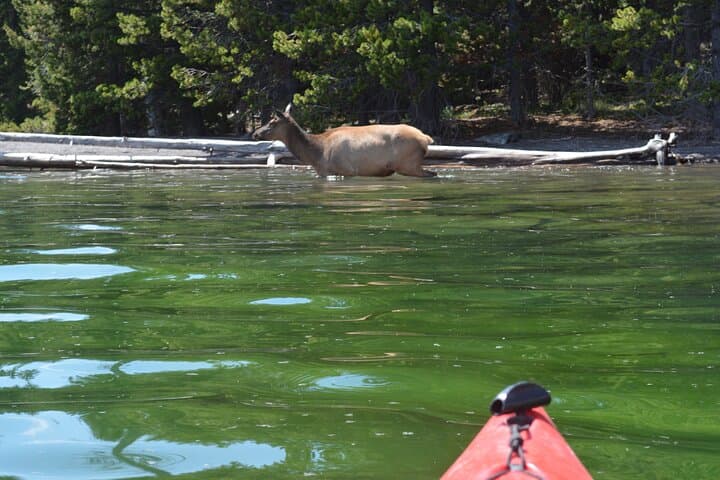
Yes—eagles, waterfowl, and occasionally otters or deer along the shore can be seen; always keep distance and follow your guide's instructions.
Yellowstone Lake sits within the park’s caldera; Indigenous peoples fished its waters for centuries and early explorers documented its geothermal shorelines in the 19th century.
Stay off fragile thermal ground, use reef-safe sunscreen, and pack out all gear and trash—thermal features and shoreline habitats are sensitive to disturbance.
Shurr Adventures Everglades operates guided outdoor trips and adventures with an emphasis on safety, stewardship, and memorable experiences.
The paddle begins in a cool hush: the wind slow, the lake glassy, and the Absaroka range folding into long purple shadows. As your guide loads the last kayaks at Grant Village, steam from nearby thermal basins hangs low like fog over the shoreline. You push off and the water takes the rhythm of your strokes, each blade opening a band of reflected sky that the coming sun will soon paint orange and rose.
The paddle begins in a cool hush: the wind slow, the lake glassy, and the Absaroka range folding into long purple shadows. As your guide loads the last kayaks at Grant Village, steam from nearby thermal basins hangs low like fog over the shoreline. You push off and the water takes the rhythm of your strokes, each blade opening a band of reflected sky that the coming sun will soon paint orange and rose.
Yellowstone Lake is not just water—it's the surface of a living volcano. The lake sits in the park’s caldera and its shoreline is laced with thermal features: hot springs, fumaroles, and basins that steam at the edge of the paddle route. The tour threads past West Thumb and the Potts Geyser Basin, giving paddlers a rare vantage where geology and hydrology are visible together—the geological story of eruptions, uplift, and hydrothermal plumbing that still steams today.
Culturally the lake was a seasonal hunting and fishing area for Indigenous tribes long before Euro-American explorers arrived. Modern guides lean on that lived knowledge while pointing out species and human history—how cutthroat trout populations once supported native communities and how the park’s formation changed access and protection.
Practically, this is a guided, small-group sunset paddle—four hours from meeting to finish, with experienced Level 3 ACA rescue guides running the trip. Expect 3–6 miles of paddling depending on wind and routing; the guides pick lines that minimize fetch but maximize view. Weather is the wildcard—sunset runs are canceled more often than morning outings, and wind can turn a placid bay into a choppy challenge.
For first-timers: choose a tandem if you’re unsure about sustained paddling. Bring synthetic layers, a splash jacket, and secure dry bags—water temperature can be in the high 30s°F, and getting wet will be memorable for the wrong reasons. Hydrate before you arrive; organizers supply snacks and bottled water but small reusable bottles and fingers that can snap a photo from a dry box are recommended.
Logistics are straightforward but specific: meet at the Grant Village lakeshore near the general store (GPS: 44.391999, -110.547999). Cell service is spotty; follow emailed directions and arrive early for gear fitting. If the weather cooperates, the sunset here is a quiet, cinematic show—mountains glowing behind steam plumes and the water daring you forward, one stroke at a time.