THE ADVENTURE COLLECTIVE® · Independent discovery and booking for outdoor travel

Paddle the Nam Ou and Mekong to reach the storied Pak Ou Caves at golden hour. This half-day tour pairs easy-to-moderate kayaking with a guided cave visit and a sunset cruise back to Luang Prabang.
Paddle the Nam Ou and Mekong to reach the storied Pak Ou Caves at golden hour. This half-day tour pairs easy-to-moderate kayaking with a guided cave visit and a sunset cruise back to Luang Prabang.
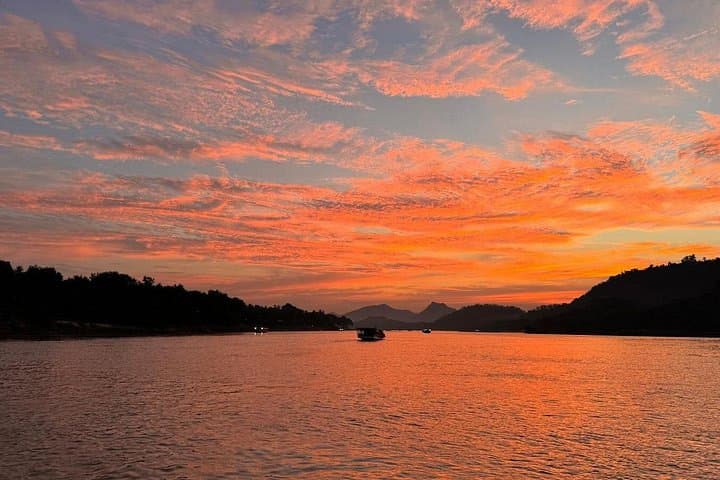
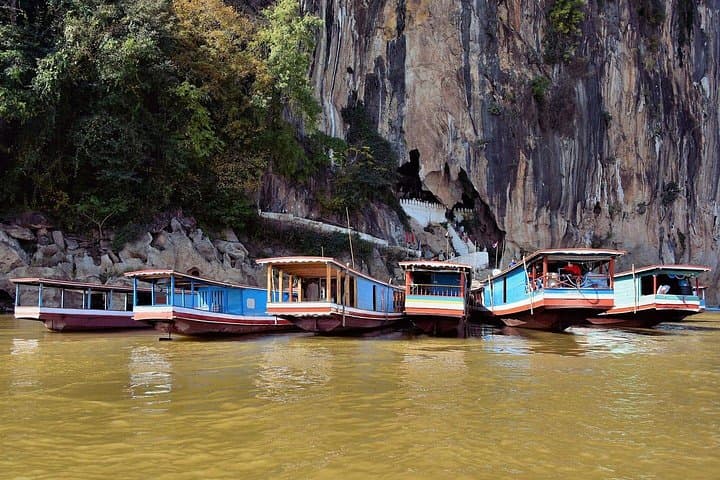
The paddle begins under a low, gold light as the Mekong widens and the river pushes you forward. Kayaks slip past limestone bluffs and rice terraces; the current tugs gently while egrets quarter the surface. By late afternoon the cliffs take on a warm wash and the silhouette of Pak Ou Caves grows at the river bend.
Verified experiences and guided adventures in the surrounding area.
Operated by Asia Tour Booking · Luang Prabang, Luang Prabang Province
The paddle begins under a low, gold light as the Mekong widens and the river pushes you forward. Kayaks slip past limestone bluffs and rice terraces; the current tugs gently while egrets quarter the surface. By late afternoon the cliffs take on a warm wash and the silhouette of Pak Ou Caves grows at the river bend.
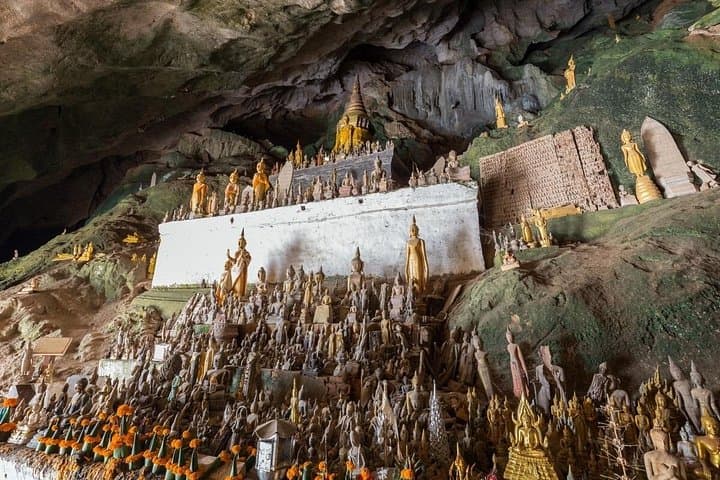
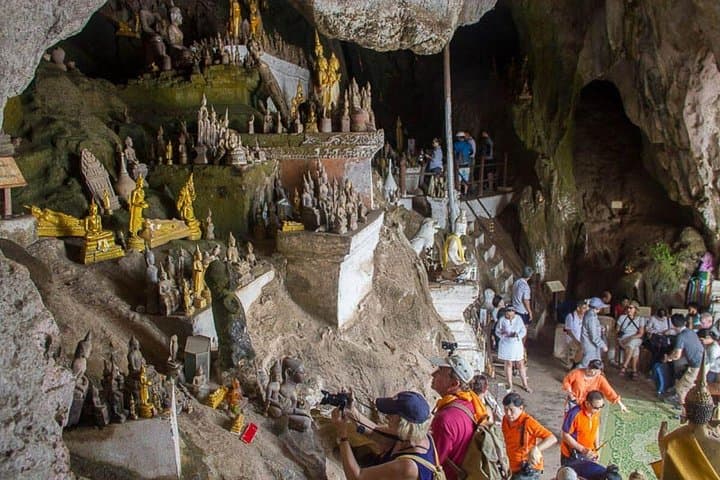
Pak Ou is both geological marker and cultural waypoint. The twin caves carve into limestone formed by millennia of river erosion; inside, shelves hold thousands of small Buddha images left by generations of pilgrims. The route follows the Nam Ou as it meets the Mekong, a confluence that shaped local settlement and trade for centuries. Along the banks are small riverside villages where traditional stilt houses and lacquer workshops speak to Luang Prabang’s living culture.
Practical details matter: expect a 5–6 hour outing with roughly 90 minutes paddling on the Nam Ou, time ashore at Pak Ou, and a sunset cruise back toward Luang Prabang. Terrain at the caves is uneven stone and low-light passages—sturdy footwear and a headlamp or phone light help. Guides provide basic instruction and life jackets; no advanced whitewater skills are required, but paddling in current needs steady posture and basic strokes.
Plan for sun and mosquitos, staggered pickup from town, and small-group dynamics (private tours available). Bring a dry bag for camera gear, change of clothes, and local currency for village purchases. Time your trip to arrive before sunset for the best light and quieter caves—this route balances gentle adventure with cultural depth, ideal for paddlers who want river time and a memorable finish as the sun slips behind karst peaks.
moderate.
5–6 hours.
Suitable for people in reasonable health with basic upper-body stamina for continuous paddling; not recommended for those with serious cardiovascular conditions.
No; guides provide instruction and the paddling is on calm river sections, but a basic comfort in the water and ability to sit and paddle for extended periods helps.
Yes; many operators include a boat transfer option, but this particular tour emphasizes the kayak approach for closer river access.
Light, modest clothing and shoes that handle wet, uneven rock; bring a light cover-up for respectful entry and a flashlight for dim interior spaces.
Operators stop at riverside camps with basic facilities and outdoor rinse areas, but facilities are rustic—bring biodegradable wipes if needed.
Pak Ou Caves have been a pilgrimage site for centuries; villagers and river traders historically left Buddha figures there as votive offerings.
Travelers should avoid touching or moving religious images, take all litter back to Luang Prabang, and favor operators who use refillable water to reduce plastic waste.
Asia Tour Booking operates guided outdoor trips and adventures with an emphasis on safety, stewardship, and memorable experiences.
The paddle begins under a low, gold light as the Mekong widens and the river pushes you forward. Kayaks slip past limestone bluffs and rice terraces; the current tugs gently while egrets quarter the surface. By late afternoon the cliffs take on a warm wash and the silhouette of Pak Ou Caves grows at the river bend.
The paddle begins under a low, gold light as the Mekong widens and the river pushes you forward. Kayaks slip past limestone bluffs and rice terraces; the current tugs gently while egrets quarter the surface. By late afternoon the cliffs take on a warm wash and the silhouette of Pak Ou Caves grows at the river bend.
Pak Ou is both geological marker and cultural waypoint. The twin caves carve into limestone formed by millennia of river erosion; inside, shelves hold thousands of small Buddha images left by generations of pilgrims. The route follows the Nam Ou as it meets the Mekong, a confluence that shaped local settlement and trade for centuries. Along the banks are small riverside villages where traditional stilt houses and lacquer workshops speak to Luang Prabang’s living culture.
Practical details matter: expect a 5–6 hour outing with roughly 90 minutes paddling on the Nam Ou, time ashore at Pak Ou, and a sunset cruise back toward Luang Prabang. Terrain at the caves is uneven stone and low-light passages—sturdy footwear and a headlamp or phone light help. Guides provide basic instruction and life jackets; no advanced whitewater skills are required, but paddling in current needs steady posture and basic strokes.
Plan for sun and mosquitos, staggered pickup from town, and small-group dynamics (private tours available). Bring a dry bag for camera gear, change of clothes, and local currency for village purchases. Time your trip to arrive before sunset for the best light and quieter caves—this route balances gentle adventure with cultural depth, ideal for paddlers who want river time and a memorable finish as the sun slips behind karst peaks.