THE ADVENTURE COLLECTIVE® · Independent discovery and booking for outdoor travel

Paddle the Haulover Canal at sunset and watch the water ignite with bioluminescent plankton. This two-hour guided tour on the edge of Merritt Island National Wildlife Refuge pairs calm flatwater paddling with wildlife viewing and an unforgettable night glow.
Paddle the Haulover Canal at sunset and watch the water ignite with bioluminescent plankton. This two-hour guided tour on the edge of Merritt Island National Wildlife Refuge pairs calm flatwater paddling with wildlife viewing and an unforgettable night glow.
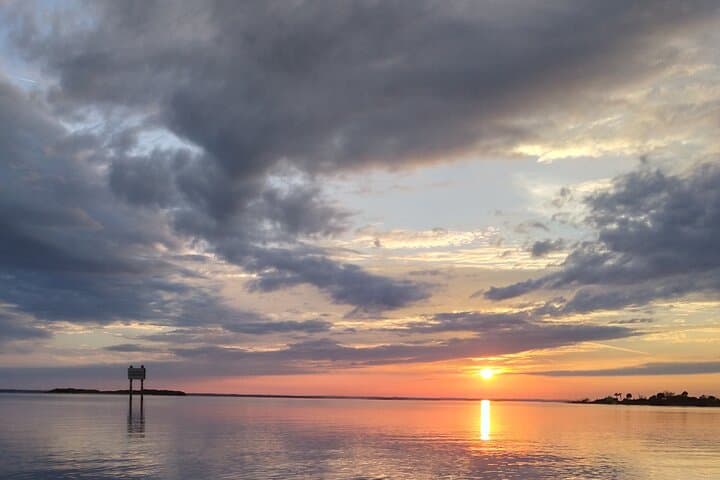
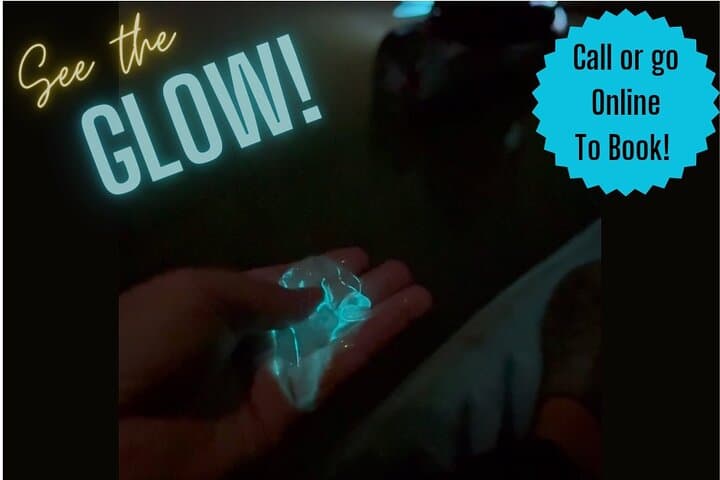
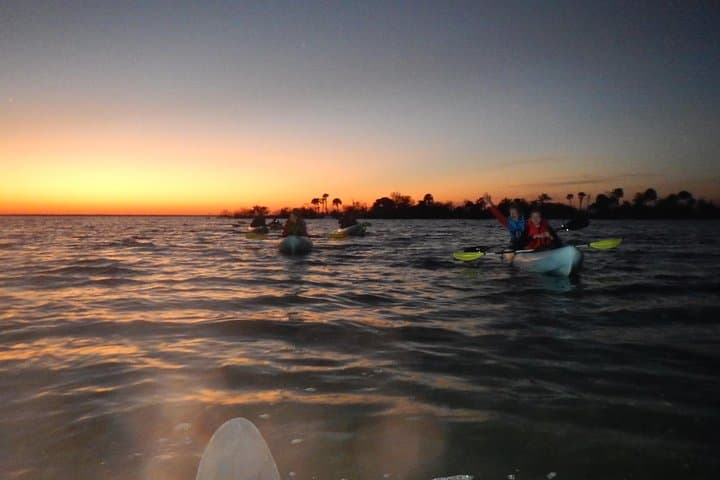
The sun slips low over the Mosquito Lagoon and the canal’s surface turns to molten bronze. Paddles cut quiet arcs; mangrove roots lean in like attentive listeners. As daylight thins, the water begins to answer back — tiny points of blue-green fire that flare with every stroke.
Verified experiences and guided adventures in the surrounding area.
Operated by Florida Adventurer - Bioluminescent Kayaking · Merritt Island, Florida
The sun slips low over the Mosquito Lagoon and the canal’s surface turns to molten bronze. Paddles cut quiet arcs; mangrove roots lean in like attentive listeners. As daylight thins, the water begins to answer back — tiny points of blue-green fire that flare with every stroke.
Haulover Canal sits where the Indian River and Mosquito Lagoon breathe into each other, part of the larger Merritt Island National Wildlife Refuge established in the 1960s to protect coastal habitat. The shallow, seagrass-lined flats and silty canal are products of Pleistocene marine terraces and modern tidal exchange, creating nutrient-rich waters that support dolphins, manatees, and the dinoflagellates that produce bioluminescence.
Locally, fishermen, birders, and space-watchers have long shared these inlets; the dark skies over the refuge still offer a quieter counterpoint to nearby Cocoa Beach’s beachfront bustle. Guides on this two‑hour tour interpret ecology and point out resident wildlife while steering a safe path through tidal channels.
Expect 2–4 miles of flatwater paddling, little to no elevation gain, and close quarters with mangroves. The hard part is timing — arriving at sunset and being still enough to see the plankton light up. Bring a change of clothes, a dry bag, and patience; the spectacle rewards calm observation.
Practical tip: arrive early for orientation, listen to the guide for night-safety briefing, and avoid using bright lights once bioluminescence appears — your eyes and the plankton will thank you.
moderate.
2 hours.
Suitable for people in light to average fitness who can sit and paddle for up to two hours; basic upper-body stamina helps.
The tour runs about two hours with roughly 2–4 miles of flatwater paddling, paced for wildlife viewing and safety.
Bioluminescence depends on biological and tidal conditions; guides choose nights and launch sites with good historic visibility, but sightings cannot be guaranteed.
Yes — the trip is family-friendly and rated easy to moderate; guides provide basic paddling instruction and tandem kayaks for less experienced paddlers.
Bring a dry change of clothes and a towel; guides have protocols to help participants warm up and return to shore safely if needed.
The Merritt Island area has long been used by indigenous peoples and later commercial fishermen; the refuge was created amid 20th-century conservation efforts to protect coastal habitats.
Visitors are asked to follow Leave No Trace and keep distance from wildlife; avoid disturbing seagrass beds by paddling in channel areas and use reef‑safe sunscreen to protect water quality.
Florida Adventurer - Bioluminescent Kayaking operates guided outdoor trips and adventures with an emphasis on safety, stewardship, and memorable experiences.
The sun slips low over the Mosquito Lagoon and the canal’s surface turns to molten bronze. Paddles cut quiet arcs; mangrove roots lean in like attentive listeners. As daylight thins, the water begins to answer back — tiny points of blue-green fire that flare with every stroke.
The sun slips low over the Mosquito Lagoon and the canal’s surface turns to molten bronze. Paddles cut quiet arcs; mangrove roots lean in like attentive listeners. As daylight thins, the water begins to answer back — tiny points of blue-green fire that flare with every stroke.
Haulover Canal sits where the Indian River and Mosquito Lagoon breathe into each other, part of the larger Merritt Island National Wildlife Refuge established in the 1960s to protect coastal habitat. The shallow, seagrass-lined flats and silty canal are products of Pleistocene marine terraces and modern tidal exchange, creating nutrient-rich waters that support dolphins, manatees, and the dinoflagellates that produce bioluminescence.
Locally, fishermen, birders, and space-watchers have long shared these inlets; the dark skies over the refuge still offer a quieter counterpoint to nearby Cocoa Beach’s beachfront bustle. Guides on this two‑hour tour interpret ecology and point out resident wildlife while steering a safe path through tidal channels.
Expect 2–4 miles of flatwater paddling, little to no elevation gain, and close quarters with mangroves. The hard part is timing — arriving at sunset and being still enough to see the plankton light up. Bring a change of clothes, a dry bag, and patience; the spectacle rewards calm observation.
Practical tip: arrive early for orientation, listen to the guide for night-safety briefing, and avoid using bright lights once bioluminescence appears — your eyes and the plankton will thank you.