THE ADVENTURE COLLECTIVE® · Independent discovery and booking for outdoor travel

Ride along Playa Flamingo’s sands at sunset and feel the steady pull of a calm horse as the Pacific light flattens into gold. This two-hour coastal horseback tour pairs easy riding with wildlife viewing and practical local knowledge about tides and trails.
Ride along Playa Flamingo’s sands at sunset and feel the steady pull of a calm horse as the Pacific light flattens into gold. This two-hour coastal horseback tour pairs easy riding with wildlife viewing and practical local knowledge about tides and trails.
The ocean smells sharp and mineral as hooves step into the wet sand; a steady rhythm pushes you forward and the salt wind rearranges your hair. On a two-hour beach ride from Playa Flamingo, horses lead you along wide swaths of beach and into low coastal trails where surf, scrub and mangrove meet.
Verified experiences and guided adventures in the surrounding area.
Operated by Jairo Tours In Costa Rica · Playa Flamingo, Guanacaste Province
The ocean smells sharp and mineral as hooves step into the wet sand; a steady rhythm pushes you forward and the salt wind rearranges your hair. On a two-hour beach ride from Playa Flamingo, horses lead you along wide swaths of beach and into low coastal trails where surf, scrub and mangrove meet.
Guanacaste’s coastline reflects a ranching past — longhorns and sabanero culture shaped the landscape and local horsemanship. Geologically the shore here is young volcanic rock smoothed by Pacific tides, producing black-rock outcrops, shell-sanded coves like nearby Playa Conchal, and small estuaries that feed seasonal mangroves.
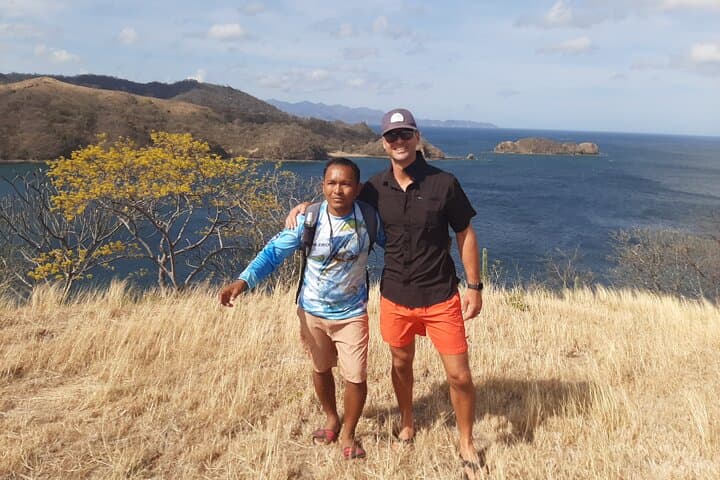
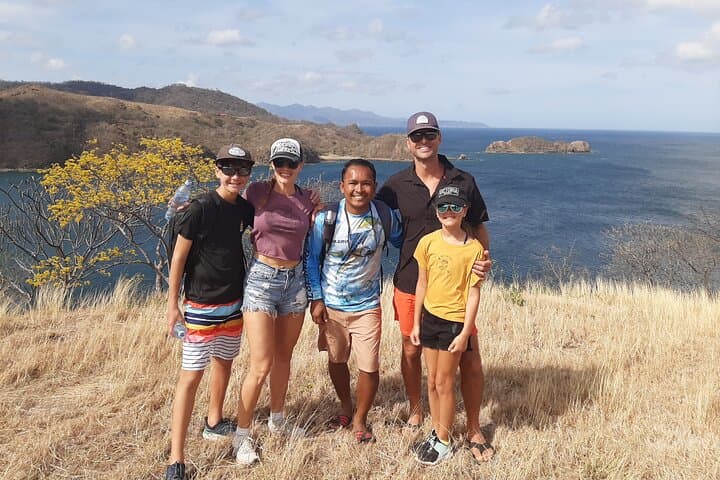
Local guides bring practical knowledge: where the sand holds firm, where tide pools shelter crabs, and how to read a horse’s temperament. Expect to see tropical shorebirds and the occasional capuchin in the backdrop; reptile life like iguanas basks on sunlit rocks.
For planning, wear closed-toe shoes and a short-brim hat, and arrive hydrated — the ride is easy but exposed to sun. Tours typically last two hours and operate in small groups; outfitter-tailored horses match riders of differing abilities. If you want sunset light, book the late slot and confirm tide times — low tide gives longer, smoother stretches to canter, while high tide can push the route onto dunes and trails.
Respect the coastal ecology: stay on the marked path where guides direct you, avoid feeding wildlife, and carry out any trash. This is a social, low-impact way to experience Costa Rica’s Pacific side, marrying local horseback tradition with shoreline scenery.
easy.
2 hours.
Suitable for most fitness levels—requires basic balance and ability to mount/dismount a horse
Yes — operators match horses to rider experience and rides are designed for all ages; disclose any mobility or medical concerns when booking.
Canters are possible during low tide on firm sand and depend on group skill level, guide discretion, and local conditions.
No prior experience is required for this tour, but basic balance and the ability to follow a guide’s instructions are important.
Many outfits provide helmets on request; confirm with the operator before arrival if you prefer to wear one or need a child-sized helmet.
Guanacaste’s culture is strongly influenced by cattle ranching and sabanero horsemanship, a tradition that shaped local trails and riding styles.
Coastal habitats here are sensitive—stay on guide-designated routes, avoid disturbing nesting sites, and use reef-safe sunscreen to reduce marine impact.
Jairo Tours In Costa Rica operates guided outdoor trips and adventures with an emphasis on safety, stewardship, and memorable experiences.
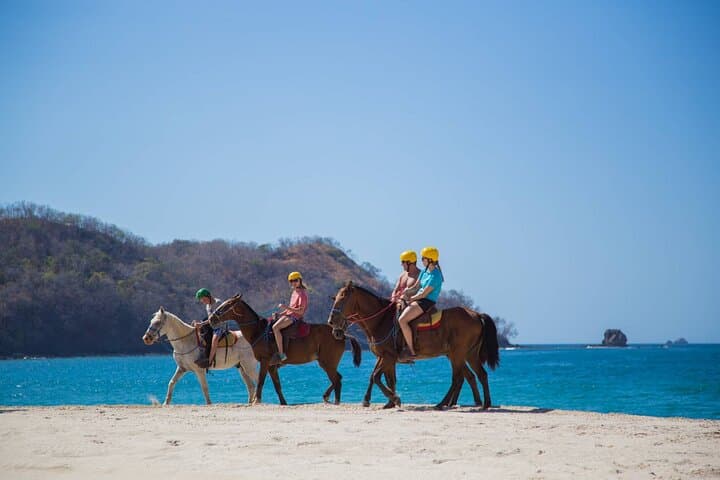
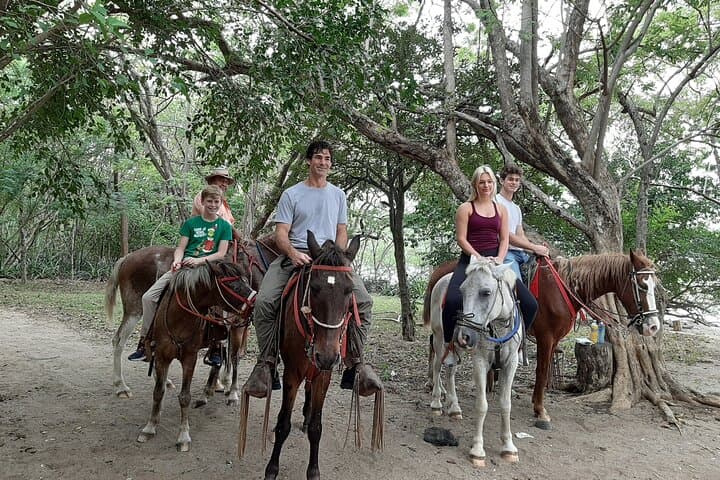
The ocean smells sharp and mineral as hooves step into the wet sand; a steady rhythm pushes you forward and the salt wind rearranges your hair. On a two-hour beach ride from Playa Flamingo, horses lead you along wide swaths of beach and into low coastal trails where surf, scrub and mangrove meet.
The ocean smells sharp and mineral as hooves step into the wet sand; a steady rhythm pushes you forward and the salt wind rearranges your hair. On a two-hour beach ride from Playa Flamingo, horses lead you along wide swaths of beach and into low coastal trails where surf, scrub and mangrove meet.
Guanacaste’s coastline reflects a ranching past — longhorns and sabanero culture shaped the landscape and local horsemanship. Geologically the shore here is young volcanic rock smoothed by Pacific tides, producing black-rock outcrops, shell-sanded coves like nearby Playa Conchal, and small estuaries that feed seasonal mangroves.
Local guides bring practical knowledge: where the sand holds firm, where tide pools shelter crabs, and how to read a horse’s temperament. Expect to see tropical shorebirds and the occasional capuchin in the backdrop; reptile life like iguanas basks on sunlit rocks.
For planning, wear closed-toe shoes and a short-brim hat, and arrive hydrated — the ride is easy but exposed to sun. Tours typically last two hours and operate in small groups; outfitter-tailored horses match riders of differing abilities. If you want sunset light, book the late slot and confirm tide times — low tide gives longer, smoother stretches to canter, while high tide can push the route onto dunes and trails.
Respect the coastal ecology: stay on the marked path where guides direct you, avoid feeding wildlife, and carry out any trash. This is a social, low-impact way to experience Costa Rica’s Pacific side, marrying local horseback tradition with shoreline scenery.