THE ADVENTURE COLLECTIVE® · Independent discovery and booking for outdoor travel

Saddle up at dusk for a two-hour Berber horse ride through rose fields, abandoned kasbahs and panoramic viewpoints over the Anti-Atlas. Finish with traditional tea in a local garden as the valley turns to gold.
Saddle up at dusk for a two-hour Berber horse ride through rose fields, abandoned kasbahs and panoramic viewpoints over the Anti-Atlas. Finish with traditional tea in a local garden as the valley turns to gold.
You arrive at the stable late afternoon; the horses lift their heads as the valley light tilts golden. Under a wide, dry sky you mount gentle Berber horses and follow tracks that have carried traders and villagers for centuries. The trail threads rose fields, palm copses and adobe kasbahs, and the Anti-Atlas rises like a folded spine on the horizon.
Verified experiences and guided adventures in the surrounding area.
Operated by Morocco Exposure · Boumalne Dades, Drâa-Tafilalet
You arrive at the stable late afternoon; the horses lift their heads as the valley light tilts golden. Under a wide, dry sky you mount gentle Berber horses and follow tracks that have carried traders and villagers for centuries. The trail threads rose fields, palm copses and adobe kasbahs, and the Anti-Atlas rises like a folded spine on the horizon.
Geology here is exposed in layers: soft red clay, wind-sculpted sandstone and the low, broken ridges of the Anti-Atlas formed by ancient collisions. The kasbahs—fortified earthen houses—mark old caravan routes and local history of tribal life and seasonal trade in roses and almonds. Culture is present in small details: hand-built walls, terraces, and the way tea is poured with ceremony. Locals still harvest roses each spring for perfume and roselle products.
Expect a two-hour, sunset-focused ride over variable terrain: packed dirt tracks, short rocky pitches and cultivated edges. The pace is steady, not rushed—there are photo stops and a pause at a viewpoint for mint tea with a local family. Afterward you descend through stony desert toward the stable and finish with herbal tea in a garden as the light cools.
Practical notes: wear closed-toe shoes and layered clothing, bring water and a small daypack, and be prepared for dust and changing temperatures. Riders should have a moderate fitness level and a calm approach to animals. The experience blends straightforward horsemanship with clear cultural payoffs—sunset, views, and personal contact with valley life.
moderate.
2 hours.
Moderate fitness—able to mount/dismount, sit in a saddle for 2 hours, and handle short uphill sections.
No—horses are calm Berber mounts and guides give a briefing; basic balance and the ability to follow instructions are enough.
Policies vary, but most operators accept older children with riding experience—confirm age limits when booking and mention any kids on your reservation.
Wear breathable layers with a light jacket; evenings can cool quickly even after a warm day, and dust protection (buff or scarf) helps.
Sunset rides are popular during peak season (spring and autumn); book at least several days ahead, sooner for private or group bookings.
The Roses Valley grew around seasonal rose cultivation and caravan routes; kasbahs were built as family forts and trade stops during the caravan era.
Respect local agricultural plots and water channels—rose cultivation is labor-intensive and sensitive; avoid trampling fields and pack out waste.
Morocco Exposure operates guided outdoor trips and adventures with an emphasis on safety, stewardship, and memorable experiences.
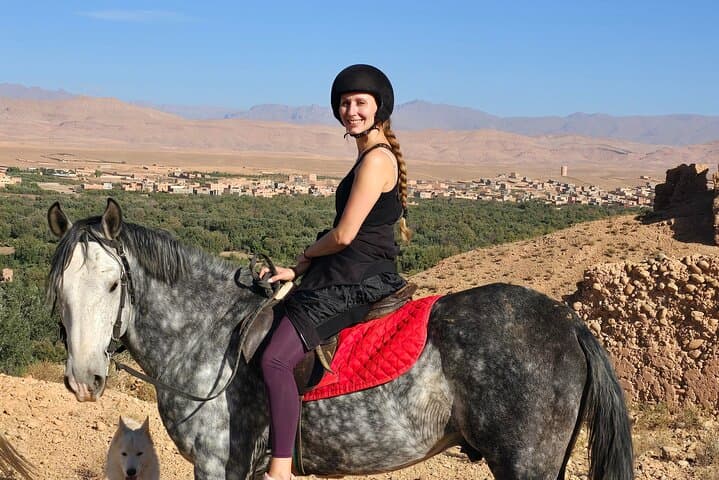
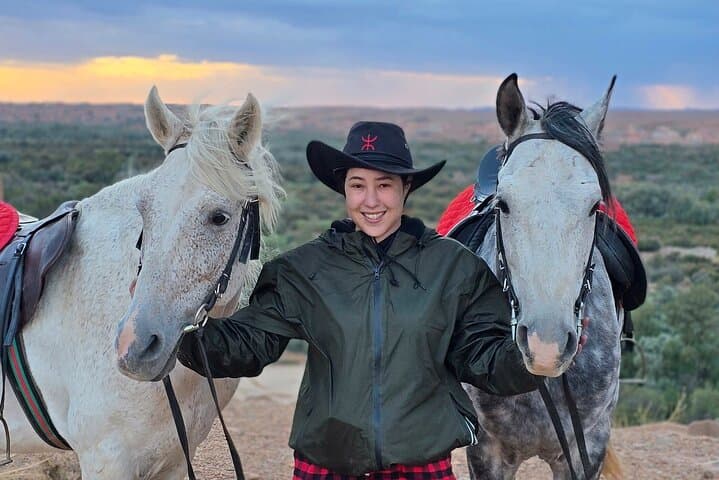
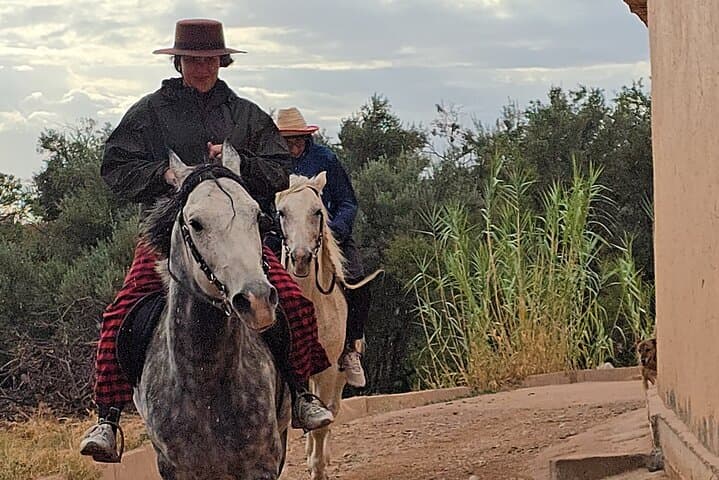
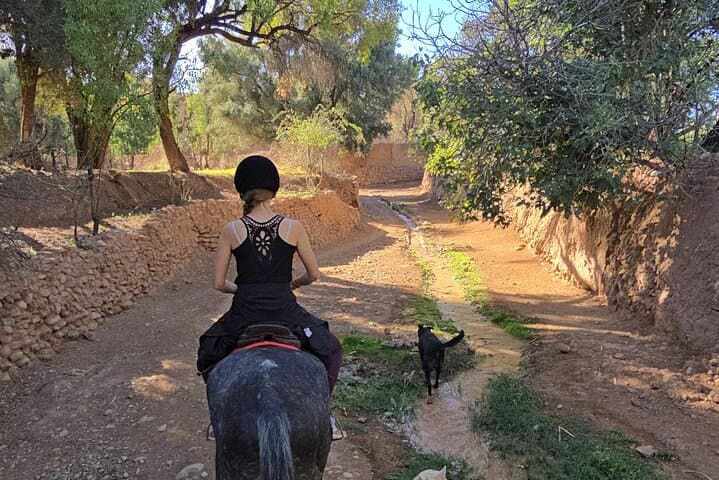
You arrive at the stable late afternoon; the horses lift their heads as the valley light tilts golden. Under a wide, dry sky you mount gentle Berber horses and follow tracks that have carried traders and villagers for centuries. The trail threads rose fields, palm copses and adobe kasbahs, and the Anti-Atlas rises like a folded spine on the horizon.
You arrive at the stable late afternoon; the horses lift their heads as the valley light tilts golden. Under a wide, dry sky you mount gentle Berber horses and follow tracks that have carried traders and villagers for centuries. The trail threads rose fields, palm copses and adobe kasbahs, and the Anti-Atlas rises like a folded spine on the horizon.
Geology here is exposed in layers: soft red clay, wind-sculpted sandstone and the low, broken ridges of the Anti-Atlas formed by ancient collisions. The kasbahs—fortified earthen houses—mark old caravan routes and local history of tribal life and seasonal trade in roses and almonds. Culture is present in small details: hand-built walls, terraces, and the way tea is poured with ceremony. Locals still harvest roses each spring for perfume and roselle products.
Expect a two-hour, sunset-focused ride over variable terrain: packed dirt tracks, short rocky pitches and cultivated edges. The pace is steady, not rushed—there are photo stops and a pause at a viewpoint for mint tea with a local family. Afterward you descend through stony desert toward the stable and finish with herbal tea in a garden as the light cools.
Practical notes: wear closed-toe shoes and layered clothing, bring water and a small daypack, and be prepared for dust and changing temperatures. Riders should have a moderate fitness level and a calm approach to animals. The experience blends straightforward horsemanship with clear cultural payoffs—sunset, views, and personal contact with valley life.