THE ADVENTURE COLLECTIVE® · Independent discovery and booking for outdoor travel

Saddle up for a one-hour guided loop across the Ounila valley with views of the UNESCO-listed Ait Ben Haddou. This short ride blends local history, film-set vistas, and a paced trot across desert gardens—ideal for first-timers and experienced riders alike.
Saddle up for a one-hour guided loop across the Ounila valley with views of the UNESCO-listed Ait Ben Haddou. This short ride blends local history, film-set vistas, and a paced trot across desert gardens—ideal for first-timers and experienced riders alike.
The horses pick their way across the dry grasses as the sun tilts toward the clay walls of the Ksar. Within minutes the bustle of nearby Ouarzazate slips behind you and the Ounila valley opens — terraced fields, a scattering of argan and olive trees, and the stacked ochre houses of Ait Ben Haddou rising like a compact village on the far slope.
Verified experiences and guided adventures in the surrounding area.
Operated by Morocco Horseback · Ait Ben Haddou, Ouarzazate Province
The horses pick their way across the dry grasses as the sun tilts toward the clay walls of the Ksar. Within minutes the bustle of nearby Ouarzazate slips behind you and the Ounila valley opens — terraced fields, a scattering of argan and olive trees, and the stacked ochre houses of Ait Ben Haddou rising like a compact village on the far slope.
This short, guided loop follows tracks used for local travel and film crews. Ait Ben Haddou is a UNESCO World Heritage site; its earthen architecture dates to centuries of trans-Saharan trade and later became a backdrop for Gladiator and Game of Thrones. Geologically the valley is carved by seasonal runoff from the High Atlas; you’ll see the stratified slopes and alluvial fans that shape the local routes.
Culturally the ride threads through living agricultural land — farmers still tend small plots and irrigation channels — so expect to share trails with goats and occasional donkeys. Guides give context on the ksar’s history and point out film locations as you pause for a quick photo by the old quarter.
Practically: this is a one-hour loop suitable for riders with basic balance; the pace includes walking, a controlled trot and a short canter on open tracks. Wear closed-toe shoes with a low heel, bring sun protection, and leave bulky packs at the stable. Hydrate before you mount and tell guides your riding experience and weight — stables follow limits for animal welfare. Rides run year-round; early evening slots offer cooler temperatures and the richest light for photos.
moderate.
1 hour.
Moderate — able to mount/dismount and maintain balance for short trots; not recommended for those with back or heart conditions.
No — the tour accepts beginners and experienced riders; guides keep a controlled pace and fit horses to ability.
Stables set limits for rider weight and may require younger children to sit on laps or ride with an adult; disclose ages and weights when booking.
Most visitors travel from Ouarzazate by taxi or arranged transfer; the stable is a short walk from the main road through Ait Ben Haddou.
The operator typically runs excursions in light weather but may cancel heavy rain; check cancellation terms and confirm with the provider before departure.
Ait Ben Haddou is a fortified ksar with earthen houses and communal granaries that grew during Saharan trade; its dramatic facades have attracted filmmakers since the 20th century.
Tourism supports local income but increases foot traffic on fragile earthen structures; visitors should stay on marked paths, avoid climbing fragile walls, and respect livestock and crops.
Morocco Horseback operates guided outdoor trips and adventures with an emphasis on safety, stewardship, and memorable experiences.
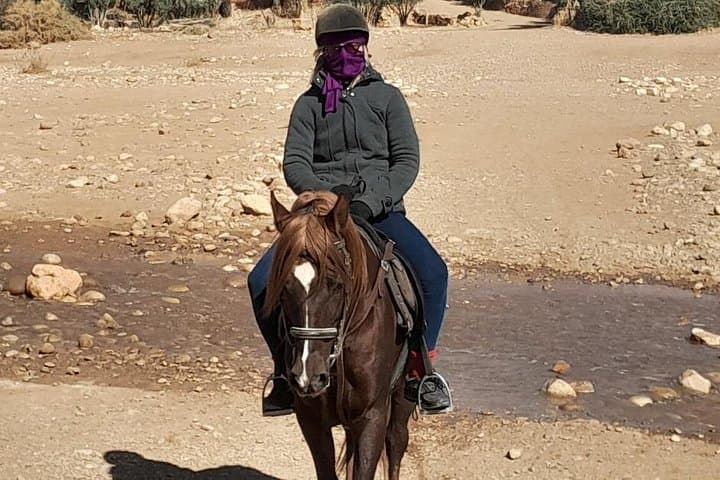
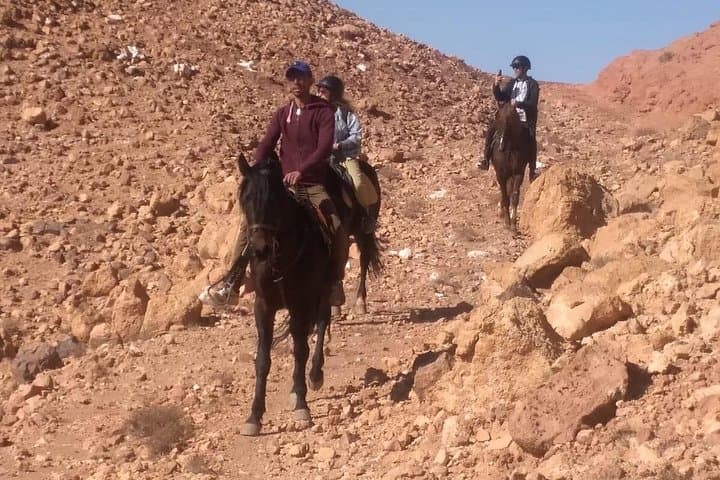
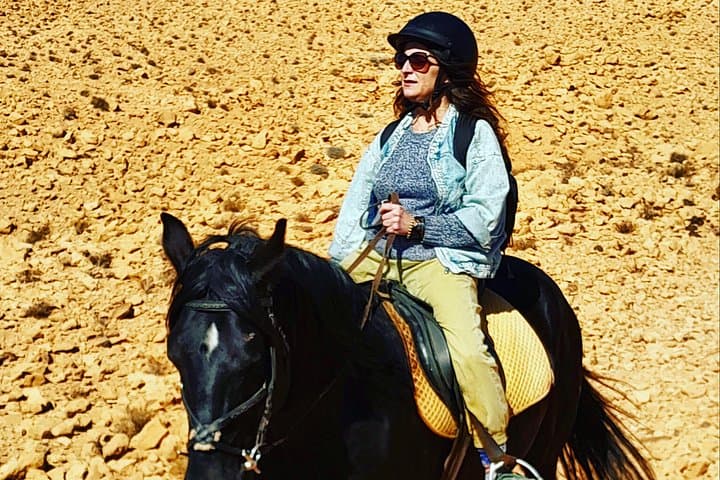
The horses pick their way across the dry grasses as the sun tilts toward the clay walls of the Ksar. Within minutes the bustle of nearby Ouarzazate slips behind you and the Ounila valley opens — terraced fields, a scattering of argan and olive trees, and the stacked ochre houses of Ait Ben Haddou rising like a compact village on the far slope.
The horses pick their way across the dry grasses as the sun tilts toward the clay walls of the Ksar. Within minutes the bustle of nearby Ouarzazate slips behind you and the Ounila valley opens — terraced fields, a scattering of argan and olive trees, and the stacked ochre houses of Ait Ben Haddou rising like a compact village on the far slope.
This short, guided loop follows tracks used for local travel and film crews. Ait Ben Haddou is a UNESCO World Heritage site; its earthen architecture dates to centuries of trans-Saharan trade and later became a backdrop for Gladiator and Game of Thrones. Geologically the valley is carved by seasonal runoff from the High Atlas; you’ll see the stratified slopes and alluvial fans that shape the local routes.
Culturally the ride threads through living agricultural land — farmers still tend small plots and irrigation channels — so expect to share trails with goats and occasional donkeys. Guides give context on the ksar’s history and point out film locations as you pause for a quick photo by the old quarter.
Practically: this is a one-hour loop suitable for riders with basic balance; the pace includes walking, a controlled trot and a short canter on open tracks. Wear closed-toe shoes with a low heel, bring sun protection, and leave bulky packs at the stable. Hydrate before you mount and tell guides your riding experience and weight — stables follow limits for animal welfare. Rides run year-round; early evening slots offer cooler temperatures and the richest light for photos.