THE ADVENTURE COLLECTIVE® · Independent discovery and booking for outdoor travel

Climb the Sella del Diavolo at sunset with a certified guide to combine cliff-top views, Punic and Roman remains, and glimpses of flamingos in Molentargius Lagoon. Perfect for a 2–3 hour outing from central Cagliari.
Climb the Sella del Diavolo at sunset with a certified guide to combine cliff-top views, Punic and Roman remains, and glimpses of flamingos in Molentargius Lagoon. Perfect for a 2–3 hour outing from central Cagliari.
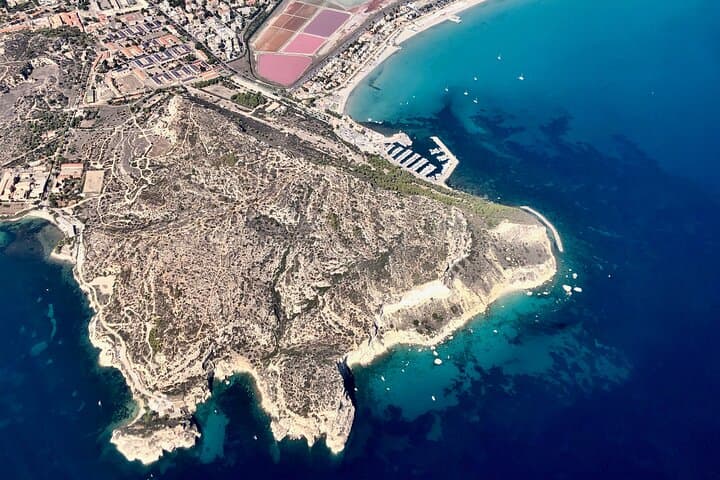
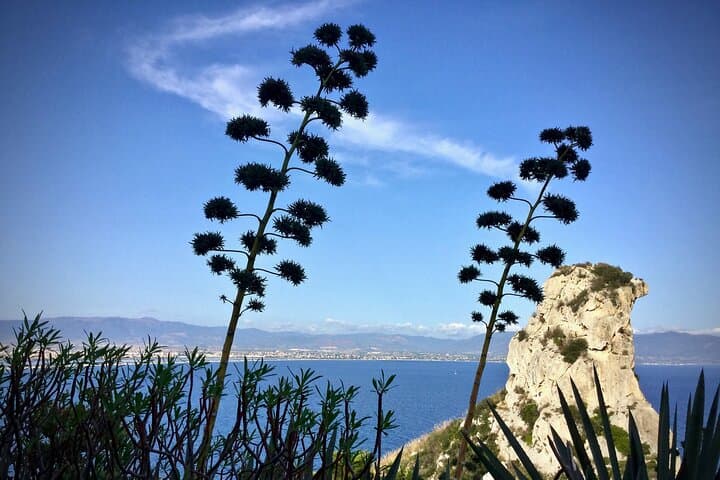
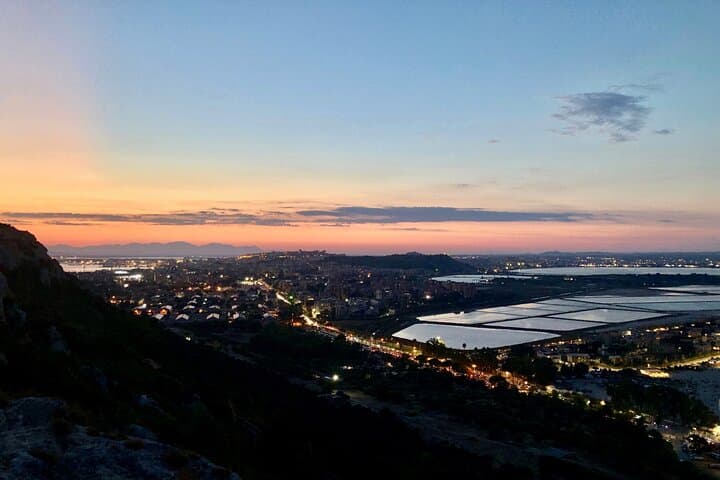
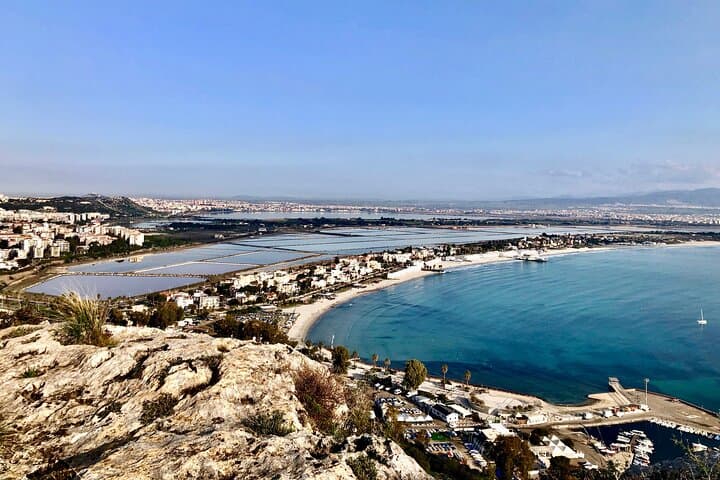
Late-afternoon light slides over low, aromatic maquis as a narrow trail climbs the Sella del Diavolo. The sea sits to your left, silvering toward Poetto Beach; to the right, the Molentargius salt pans flatten into a pale lagoon where flamingos punctuate the water with pink. A certified guide sets the pace and points out stonework half-swallowed by rosemary and juniper while the wind pushes the path toward the summit.
Verified experiences and guided adventures in the surrounding area.
Operated by Sardinia is Mine · Cagliari, Sardinia
Late-afternoon light slides over low, aromatic maquis as a narrow trail climbs the Sella del Diavolo. The sea sits to your left, silvering toward Poetto Beach; to the right, the Molentargius salt pans flatten into a pale lagoon where flamingos punctuate the water with pink. A certified guide sets the pace and points out stonework half-swallowed by rosemary and juniper while the wind pushes the path toward the summit.
The headland bears traces of long occupation: Punic and Roman ruins tucked beneath scrub, and later coastal watchtowers that once signaled danger from the sea. Geologically the saddle is a low limestone promontory shaped by marine erosion and human hands, its terraces offering broad sightlines over Cagliari and the Gulf of Angels. Local stories—of shipwrecks, smuggling, and the name “Devil’s Saddle”—give color to the stones and viewpoints you’ll pass.
Practically, expect a guided outing of about 2–3 hours, roughly 3–4 km round-trip with ~100–150 m of elevation gain on rocky, uneven singletrack and some stone steps. Timing for late afternoon or sunset maximizes light and minimizes heat; a headlamp is useful for the return. Wear sturdy hiking shoes, bring 1–2 liters of water, sun protection, and a wind layer. The meeting point is on Viale Calamosca (bus access nearby), and guides commonly include local history and wildlife notes—so plan questions. The route is rewarding for anyone with a moderate level of fitness: compact, scenic, and rich in both natural and human stories.
moderate.
2–3 hours.
Suitable for those with regular walking or light hiking fitness; some short steep sections require steady legs.
The route is moderate—about 3–4 km round-trip with roughly 100–150 m elevation gain on rocky, uneven paths; a steady pace and basic fitness are enough.
The guide meets the group on Viale Calamosca in front of the bus stop; public transport serves this area from central Cagliari.
Yes—visitors will see visible Punic and Roman-era remains and the ruins of old coastal towers; the guide usually explains their context.
Children with moderate hiking experience can usually manage; service animals are allowed but consider uneven terrain and potential exposure to cliffs.
The headland preserves Punic and Roman archaeological traces and later coastal towers built to warn against seaborne threats, reflecting centuries of maritime strategic importance.
The nearby Molentargius lagoon is a protected wetland; stick to paths to protect nesting and feeding areas and avoid disturbing flamingos and shorebirds.
Sardinia is Mine operates guided outdoor trips and adventures with an emphasis on safety, stewardship, and memorable experiences.
Late-afternoon light slides over low, aromatic maquis as a narrow trail climbs the Sella del Diavolo. The sea sits to your left, silvering toward Poetto Beach; to the right, the Molentargius salt pans flatten into a pale lagoon where flamingos punctuate the water with pink. A certified guide sets the pace and points out stonework half-swallowed by rosemary and juniper while the wind pushes the path toward the summit.
Late-afternoon light slides over low, aromatic maquis as a narrow trail climbs the Sella del Diavolo. The sea sits to your left, silvering toward Poetto Beach; to the right, the Molentargius salt pans flatten into a pale lagoon where flamingos punctuate the water with pink. A certified guide sets the pace and points out stonework half-swallowed by rosemary and juniper while the wind pushes the path toward the summit.
The headland bears traces of long occupation: Punic and Roman ruins tucked beneath scrub, and later coastal watchtowers that once signaled danger from the sea. Geologically the saddle is a low limestone promontory shaped by marine erosion and human hands, its terraces offering broad sightlines over Cagliari and the Gulf of Angels. Local stories—of shipwrecks, smuggling, and the name “Devil’s Saddle”—give color to the stones and viewpoints you’ll pass.
Practically, expect a guided outing of about 2–3 hours, roughly 3–4 km round-trip with ~100–150 m of elevation gain on rocky, uneven singletrack and some stone steps. Timing for late afternoon or sunset maximizes light and minimizes heat; a headlamp is useful for the return. Wear sturdy hiking shoes, bring 1–2 liters of water, sun protection, and a wind layer. The meeting point is on Viale Calamosca (bus access nearby), and guides commonly include local history and wildlife notes—so plan questions. The route is rewarding for anyone with a moderate level of fitness: compact, scenic, and rich in both natural and human stories.