THE ADVENTURE COLLECTIVE® · Independent discovery and booking for outdoor travel

Trade a crowded trailhead for a small-group sunset trek into the Rocky Mountain foothills. This guided hike from the Red Rocks area combines easy-to-moderate singletrack, geological highlights, and a west-facing ledge perfect for watching the light fall across Denver.
Trade a crowded trailhead for a small-group sunset trek into the Rocky Mountain foothills. This guided hike from the Red Rocks area combines easy-to-moderate singletrack, geological highlights, and a west-facing ledge perfect for watching the light fall across Denver.
The late-afternoon light turns the foothills to coin-bright gold as the minivan drops the small group on a narrow dirt spur. You can feel the mountain air change—thinner, cooler, carrying pine resin and the distant hum of the city unwinding below. The guide checks everyone’s headlamps and water, points toward the faint ribbon of trail climbing the ridge, and you start uphill as the sun tilts toward the western horizon.
Verified experiences and guided adventures in the surrounding area.
Operated by Hiking in the Rockies · Morrison, Colorado
The late-afternoon light turns the foothills to coin-bright gold as the minivan drops the small group on a narrow dirt spur. You can feel the mountain air change—thinner, cooler, carrying pine resin and the distant hum of the city unwinding below. The guide checks everyone’s headlamps and water, points toward the faint ribbon of trail climbing the ridge, and you start uphill as the sun tilts toward the western horizon.
This is not Rocky Mountain National Park; it’s the western edge of Denver’s backyard—rocky foothills carved from ancient sediments and polished by millennia of wind and water. The formations you pass are part of the Fountain and Denver Basin exposures, layers of red sandstone and conglomerate that predate the Rockies’ uplift. People have moved through these hills for thousands of years—the Ute and Arapaho knew the passes and game routes; later settlers and miners blazed their own trails. Today, the amphitheatre at Red Rocks sits nearby, an engineered clearing in those same stone ribs, a reminder of how these geologies shape human gathering.
Wildflowers and scrub oak crowd the trail in warmer months; evening songbirds tuck into the wind-stiff pines and raptors wheel above looking for rodents. The hike itself is short—about 1.5–2 hours on the trail—but set at 6,000–8,000 feet, so the legs feel it and the breath comes shallower. Your guide points out lupine and columbine, explains the story of a fossil-bearing ridge you’ll pass, and keeps the pace social enough to take photos while pressing forward to a west-facing ledge for sunset.
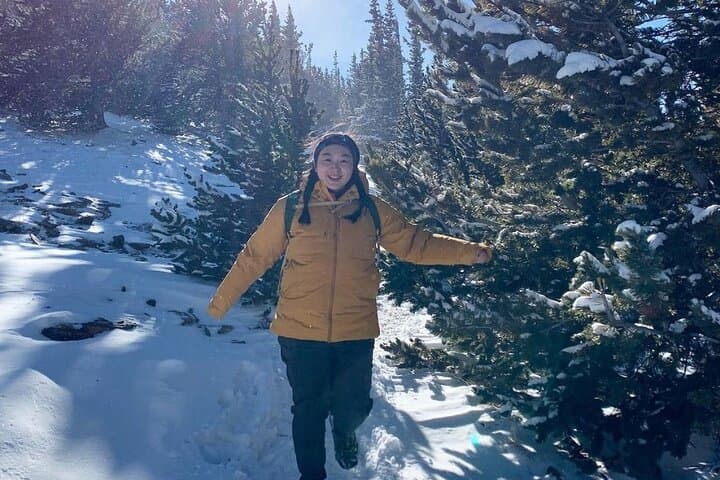
Practicalities matter here: the tour includes a 30-minute drive each way from the meeting spot at Origin Hotel Red Rocks, and groups are kept small. Expect uneven singletrack, rocky steps, and short, steep pitches. In winter the outfitter provides Yaktrax-style spikes; in any season carry water and a light layer for the post-sunset chill. If you’re unused to altitude, go easy—the route is classified easy-to-moderate for fit visitors but can be taxing for those who are completely sedentary.
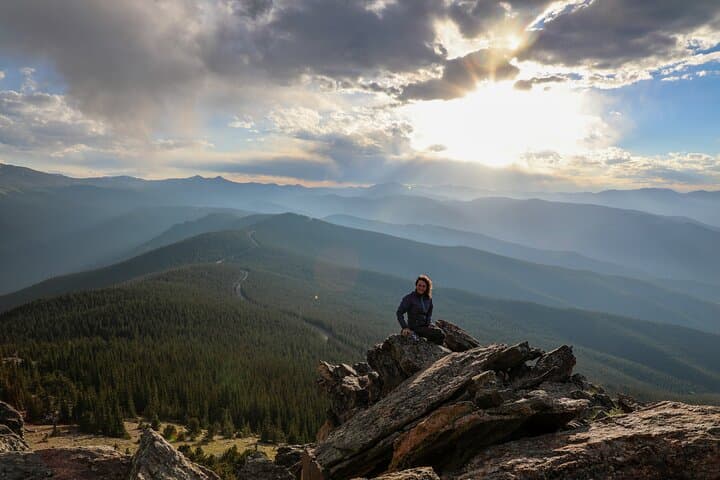
The payoff is immediate: a horizon of layered hills and the city’s lights beginning to blink on below. After the last color fades, headlamps wink to life and the group descends together, often spilling into Morrison for a beer or dinner. For travelers based in Denver, this is a fast, accessible way to touch the Rockies—an hour’s drive and a couple hours on trail that recalibrate your sense of scale and give you a clear night-sky memory to take home.
moderate.
3–4 hours (includes transport).
Suitable for people who exercise occasionally to regularly; expect steady uphill sections and the effects of altitude.
The trail is easy-to-moderate but sits between 6,000–8,000 ft; people unaccustomed to altitude may find it more strenuous—move at your own pace and use the guide.
You meet at Origin Hotel Red Rocks; carpooling is arranged and pickup from nearby hotels may be available if selected during booking.
The operator cancels for hazardous weather and offers full refunds if you cancel at least 24 hours before departure; check weather and plan layers accordingly.
Minimum group-size is two; age requirements aren’t strict but children should be fit for 1.5–2 hours of hiking and able to follow guide instructions.
You may spot mule deer, rabbits, or raptors—keep a respectful distance and don’t feed animals.
Tell the guide your fitness level ahead of time; they’ll adjust pace and offer extra breaks—consider shorter acclimation walks before this trip.
The stone ribs and foothills are part of ancient Fountain Formation and were traversed historically by Ute and Arapaho peoples; Red Rocks amphitheatre later anchored modern cultural use of the formations.
Stay on designated trails to protect fragile soils and wildflowers, pack out all trash, and avoid off-trail rock scrambling that accelerates erosion.
Hiking in the Rockies operates guided outdoor trips and adventures with an emphasis on safety, stewardship, and memorable experiences.
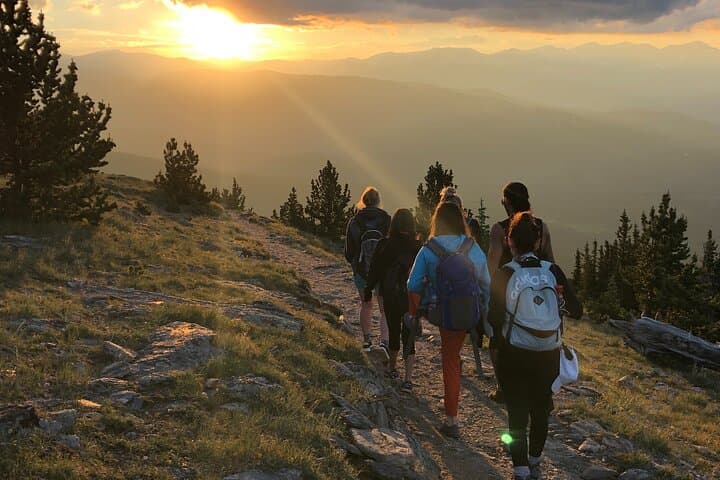
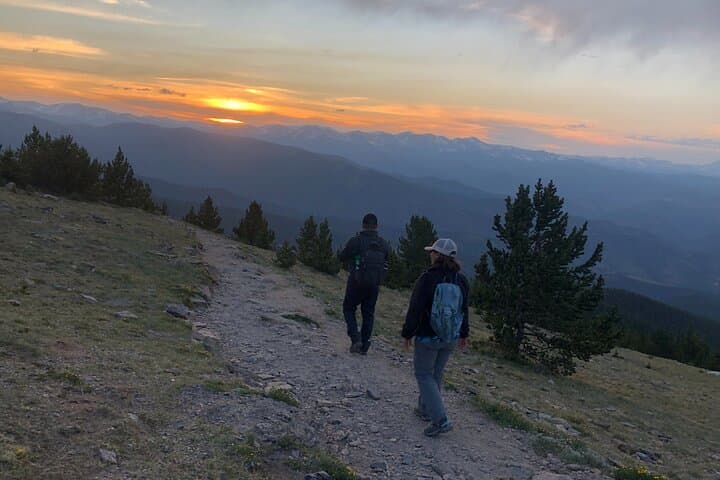
The late-afternoon light turns the foothills to coin-bright gold as the minivan drops the small group on a narrow dirt spur. You can feel the mountain air change—thinner, cooler, carrying pine resin and the distant hum of the city unwinding below. The guide checks everyone’s headlamps and water, points toward the faint ribbon of trail climbing the ridge, and you start uphill as the sun tilts toward the western horizon.
The late-afternoon light turns the foothills to coin-bright gold as the minivan drops the small group on a narrow dirt spur. You can feel the mountain air change—thinner, cooler, carrying pine resin and the distant hum of the city unwinding below. The guide checks everyone’s headlamps and water, points toward the faint ribbon of trail climbing the ridge, and you start uphill as the sun tilts toward the western horizon.
This is not Rocky Mountain National Park; it’s the western edge of Denver’s backyard—rocky foothills carved from ancient sediments and polished by millennia of wind and water. The formations you pass are part of the Fountain and Denver Basin exposures, layers of red sandstone and conglomerate that predate the Rockies’ uplift. People have moved through these hills for thousands of years—the Ute and Arapaho knew the passes and game routes; later settlers and miners blazed their own trails. Today, the amphitheatre at Red Rocks sits nearby, an engineered clearing in those same stone ribs, a reminder of how these geologies shape human gathering.
Wildflowers and scrub oak crowd the trail in warmer months; evening songbirds tuck into the wind-stiff pines and raptors wheel above looking for rodents. The hike itself is short—about 1.5–2 hours on the trail—but set at 6,000–8,000 feet, so the legs feel it and the breath comes shallower. Your guide points out lupine and columbine, explains the story of a fossil-bearing ridge you’ll pass, and keeps the pace social enough to take photos while pressing forward to a west-facing ledge for sunset.
Practicalities matter here: the tour includes a 30-minute drive each way from the meeting spot at Origin Hotel Red Rocks, and groups are kept small. Expect uneven singletrack, rocky steps, and short, steep pitches. In winter the outfitter provides Yaktrax-style spikes; in any season carry water and a light layer for the post-sunset chill. If you’re unused to altitude, go easy—the route is classified easy-to-moderate for fit visitors but can be taxing for those who are completely sedentary.
The payoff is immediate: a horizon of layered hills and the city’s lights beginning to blink on below. After the last color fades, headlamps wink to life and the group descends together, often spilling into Morrison for a beer or dinner. For travelers based in Denver, this is a fast, accessible way to touch the Rockies—an hour’s drive and a couple hours on trail that recalibrate your sense of scale and give you a clear night-sky memory to take home.