THE ADVENTURE COLLECTIVE® · Independent discovery and booking for outdoor travel

Lift off over Austin at golden hour and watch the skyline, Lake Travis, and the Texas Hill Country transform. This 60-minute sunset helicopter tour delivers clear aerial views, practical logistics, and tips for capturing the best light.
Lift off over Austin at golden hour and watch the skyline, Lake Travis, and the Texas Hill Country transform. This 60-minute sunset helicopter tour delivers clear aerial views, practical logistics, and tips for capturing the best light.
You lift off as the city exhales—traffic shrinks, buildings blur, and the sun begins to lean west. From the helicopter seat you watch Downtown Austin turn from concrete to color, Lady Bird Lake catching the last light, and the Hill Country’s ridges folding into long shadows. The pilot arcs toward Lake Travis and the 360 (Pennybacker) Bridge; below, the water dares the sky to match its blue.
Verified experiences and guided adventures in the surrounding area.
Operated by Austin Heli Tours · Austin, Texas
You lift off as the city exhales—traffic shrinks, buildings blur, and the sun begins to lean west. From the helicopter seat you watch Downtown Austin turn from concrete to color, Lady Bird Lake catching the last light, and the Hill Country’s ridges folding into long shadows. The pilot arcs toward Lake Travis and the 360 (Pennybacker) Bridge; below, the water dares the sky to match its blue.
This route stitches together Austin’s civic history and Texas geology. The Texas State Capitol and UT Stadium pass below, reminders of a city grown around politics and college sports. Geologically, you’re flying over the Balcones Fault zone—limestone ledges and rolling, scrub-covered hills created by ancient uplift and erosion.
Culturally, sunset flights intersect with the city’s evening rhythms: bats erupting from the Congress Avenue Bridge at dusk, boat traffic on Lake Travis, and neighborhoods warming for live music nights. Aviation operators follow FAA routes and local noise-abatement plans; pilots steer clear of sensitive wildlife corridors when possible.
Practical guidance: arrive 30–45 minutes early for check-in and weight confirmations. Dress in layers—the cabin can feel cool once you’re airborne but warm on approach. Secure small gear and use wrist straps for cameras; operators typically provide bottled water and basic ear protection. Flights run about 60 minutes and are weather-dependent—expect cancellations if ceilings are low or winds exceed safe limits.
For photographers, golden hour from 1,000–2,500 feet delivers the most dramatic light; for first-timers, the aerial perspective rewrites your sense of Austin’s scale and the Hill Country’s slow, patient slopes.
easy.
60 minutes.
No special fitness required; passengers should be able to sit unassisted for the duration
The advertised tour is 60 minutes from takeoff to landing, though total time at the heliport for check-in adds about 30–45 minutes.
Operators ask for passenger weights and may enforce limits for balance; infants are usually allowed but must be included during booking—specific limits vary by company.
Flights are canceled or rescheduled if wind, low ceilings, or storms make flying unsafe; most operators offer refunds or alternative dates if you cancel 24+ hours in advance.
Yes—small cameras and phones are allowed and encouraged, but use wrist straps and follow crew instructions about open doors or movement in the cabin.
The flight crosses landmarks tied to Austin’s civic growth—the Texas State Capitol and university grounds—while the Hill Country’s limestone formations reflect uplift along the Balcones Fault.
Helicopter operations are subject to noise-abatement and FAA routes to limit disturbance; choose operators that follow local guidelines and avoid low passes over sensitive habitats.
Austin Heli Tours operates guided outdoor trips and adventures with an emphasis on safety, stewardship, and memorable experiences.
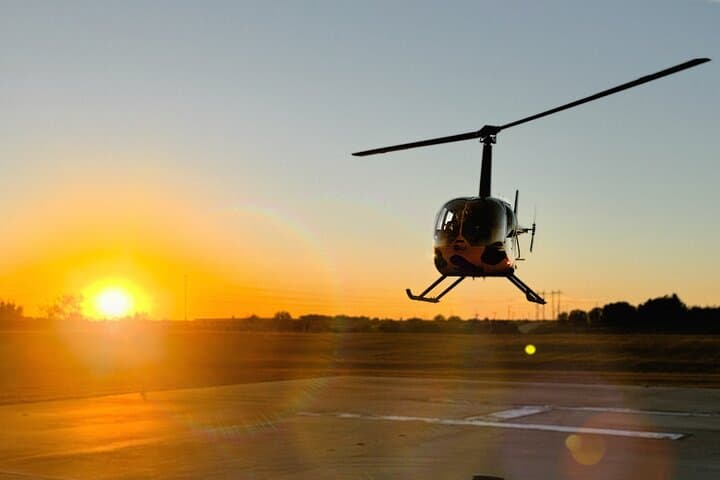

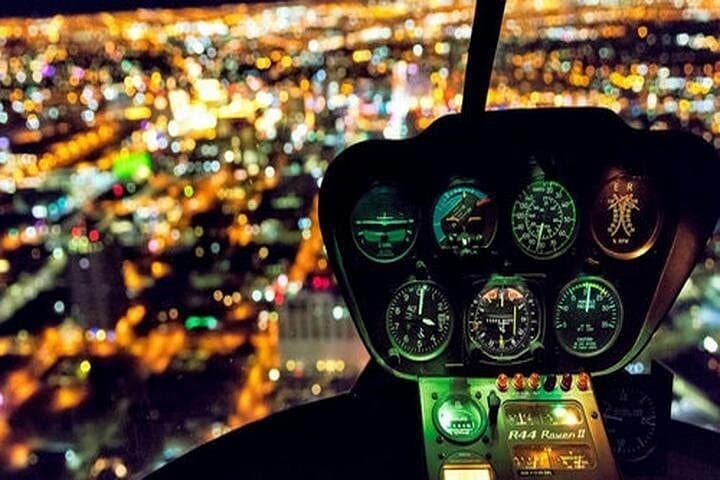

You lift off as the city exhales—traffic shrinks, buildings blur, and the sun begins to lean west. From the helicopter seat you watch Downtown Austin turn from concrete to color, Lady Bird Lake catching the last light, and the Hill Country’s ridges folding into long shadows. The pilot arcs toward Lake Travis and the 360 (Pennybacker) Bridge; below, the water dares the sky to match its blue.
You lift off as the city exhales—traffic shrinks, buildings blur, and the sun begins to lean west. From the helicopter seat you watch Downtown Austin turn from concrete to color, Lady Bird Lake catching the last light, and the Hill Country’s ridges folding into long shadows. The pilot arcs toward Lake Travis and the 360 (Pennybacker) Bridge; below, the water dares the sky to match its blue.
This route stitches together Austin’s civic history and Texas geology. The Texas State Capitol and UT Stadium pass below, reminders of a city grown around politics and college sports. Geologically, you’re flying over the Balcones Fault zone—limestone ledges and rolling, scrub-covered hills created by ancient uplift and erosion.
Culturally, sunset flights intersect with the city’s evening rhythms: bats erupting from the Congress Avenue Bridge at dusk, boat traffic on Lake Travis, and neighborhoods warming for live music nights. Aviation operators follow FAA routes and local noise-abatement plans; pilots steer clear of sensitive wildlife corridors when possible.
Practical guidance: arrive 30–45 minutes early for check-in and weight confirmations. Dress in layers—the cabin can feel cool once you’re airborne but warm on approach. Secure small gear and use wrist straps for cameras; operators typically provide bottled water and basic ear protection. Flights run about 60 minutes and are weather-dependent—expect cancellations if ceilings are low or winds exceed safe limits.
For photographers, golden hour from 1,000–2,500 feet delivers the most dramatic light; for first-timers, the aerial perspective rewrites your sense of Austin’s scale and the Hill Country’s slow, patient slopes.