THE ADVENTURE COLLECTIVE® · Independent discovery and booking for outdoor travel

Experience Neapolis at dusk on a two-hour guided walk through quarries, the Greek Theatre and the Ear of Dionysius. This tour pairs archaeological storytelling with golden-hour light and practical tips for exploring the park.
Experience Neapolis at dusk on a two-hour guided walk through quarries, the Greek Theatre and the Ear of Dionysius. This tour pairs archaeological storytelling with golden-hour light and practical tips for exploring the park.
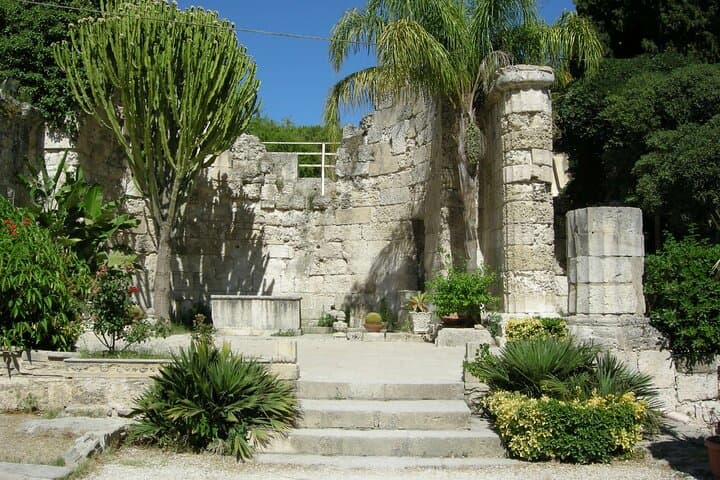
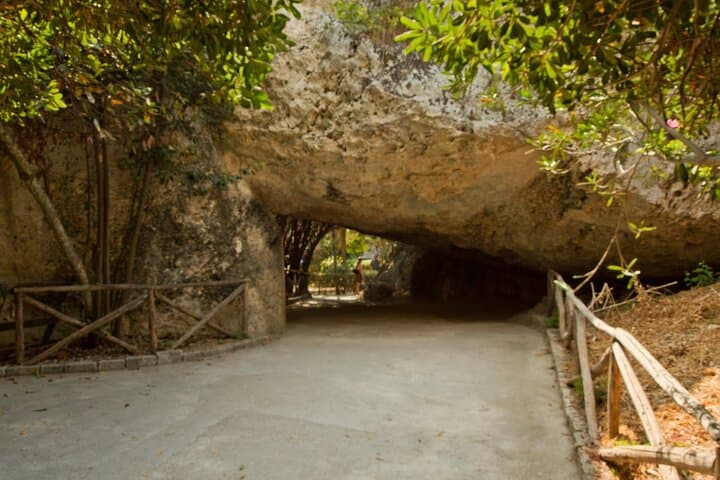
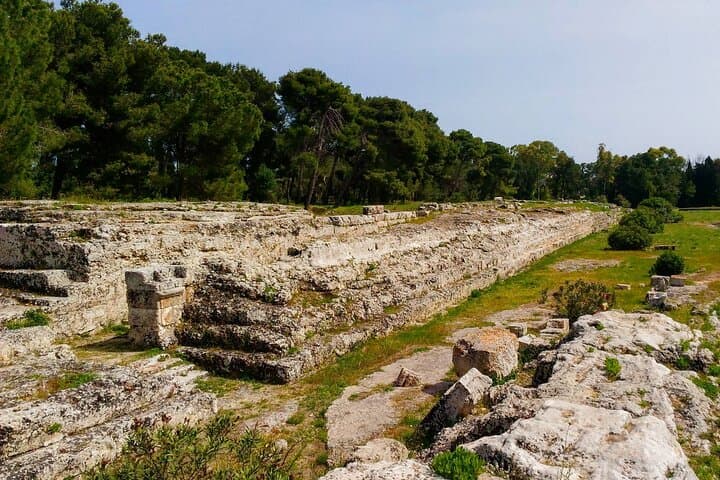
The sun slides low over weathered limestone and the Neapolis comes alive in ocher and shadow: the Greek Theatre steps cool beneath your palms, the Latomie quarry walls darken like pages in a story, and the Ear of Dionysius holds the day’s last echoes.
Verified experiences and guided adventures in the surrounding area.
Operated by Empeeria · Syracuse, Sicily
The sun slides low over weathered limestone and the Neapolis comes alive in ocher and shadow: the Greek Theatre steps cool beneath your palms, the Latomie quarry walls darken like pages in a story, and the Ear of Dionysius holds the day’s last echoes.
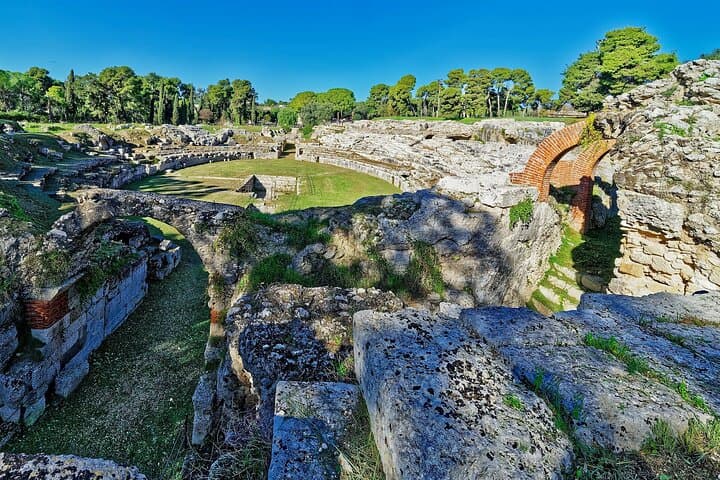
This guided sunset walk traces nearly three millennia of human ambition. Syracuse rose as a major Greek polis in the 8th century BCE; its quarries (latomie) fed the stone for theatres, temples and defensive walls. The Greek Theatre—one of the largest in the Mediterranean—opens onto the coastline, while the Roman Amphitheatre and the Altar of Hieron II show how the island shifted under Roman rule. Geologically, the park sits on shelly limestone and calcarenite that quarrying has exposed into cavernous cuts and terraces.
Culturally the route reads like a layered script: Hellenic drama and Roman spectacle, local legends about Dionysius’s prisons, and later reuse of stone in city fortifications. Guides often interpret acoustics at the Ear of Dionysius and the social life of the theatre under shifting rulers.
Practically: the tour runs about two hours at dusk and includes park admission provided by the guide. Paths are mostly compacted stone with some uneven steps and low lighting after sunset—bring sturdy shoes and a headlamp. Public transit reaches the park; arrive 20 minutes early to meet the guide. For photography, aim to shoot during the golden minutes before the sun drops; for comfort, pack a light jacket as coastal breezes cool quickly. Respect site rules: no climbing on fragile ruins and leave no trace.
easy.
2 hours.
Suitable for most fitness levels; participants should be comfortable walking 1–2 miles on uneven terrain and steps.
Yes—entrance to the Neapolis Archaeological Park is provided by the guide at the meeting point.
The tour lasts approximately two hours and begins in the hour before sunset to capture golden light across the ruins.
The site has uneven stone and steps; while small children in strollers may be accommodated on some paths, portions of the route are not wheelchair-friendly.
Tours may be conducted simultaneously in Italian and English; confirm language options when booking.
Founded in the 8th century BCE, Syracuse became a principal Greek polis; later Romanization left amphitheatres and civic structures that survive in the park.
The Neapolis Archaeological Park balances visitor access with preservation—stay on marked paths, avoid touching carved surfaces, and follow guide instructions to protect fragile stone and archaeological contexts.
Empeeria operates guided outdoor trips and adventures with an emphasis on safety, stewardship, and memorable experiences.
The sun slides low over weathered limestone and the Neapolis comes alive in ocher and shadow: the Greek Theatre steps cool beneath your palms, the Latomie quarry walls darken like pages in a story, and the Ear of Dionysius holds the day’s last echoes.
The sun slides low over weathered limestone and the Neapolis comes alive in ocher and shadow: the Greek Theatre steps cool beneath your palms, the Latomie quarry walls darken like pages in a story, and the Ear of Dionysius holds the day’s last echoes.
This guided sunset walk traces nearly three millennia of human ambition. Syracuse rose as a major Greek polis in the 8th century BCE; its quarries (latomie) fed the stone for theatres, temples and defensive walls. The Greek Theatre—one of the largest in the Mediterranean—opens onto the coastline, while the Roman Amphitheatre and the Altar of Hieron II show how the island shifted under Roman rule. Geologically, the park sits on shelly limestone and calcarenite that quarrying has exposed into cavernous cuts and terraces.
Culturally the route reads like a layered script: Hellenic drama and Roman spectacle, local legends about Dionysius’s prisons, and later reuse of stone in city fortifications. Guides often interpret acoustics at the Ear of Dionysius and the social life of the theatre under shifting rulers.
Practically: the tour runs about two hours at dusk and includes park admission provided by the guide. Paths are mostly compacted stone with some uneven steps and low lighting after sunset—bring sturdy shoes and a headlamp. Public transit reaches the park; arrive 20 minutes early to meet the guide. For photography, aim to shoot during the golden minutes before the sun drops; for comfort, pack a light jacket as coastal breezes cool quickly. Respect site rules: no climbing on fragile ruins and leave no trace.