THE ADVENTURE COLLECTIVE® · Independent discovery and booking for outdoor travel

Ride the Great Western Trail at dusk and watch the Rio Verde canyon walls glow as the sun slips behind the McDowell range. This 3–4 hour Jeep tour combines off-road access, geology-driven storytelling, and a plateau stop timed for an unforgettable Arizona sunset.
Ride the Great Western Trail at dusk and watch the Rio Verde canyon walls glow as the sun slips behind the McDowell range. This 3–4 hour Jeep tour combines off-road access, geology-driven storytelling, and a plateau stop timed for an unforgettable Arizona sunset.
The jeep rocks over desert pavement and a dry wash, tires kicking up a faint plume of dust as the sun drops toward the McDowell ridgeline. Guides—introduced as Cowboy and Cowgirl—thread the Great Western Trail’s high bench above the Rio Verde, pausing where the canyon narrows so the light can find every crevice in the rock. Conversation falls away; the sky takes over.
Verified experiences and guided adventures in the surrounding area.
Operated by Wild West Jeep Tours · Scottsdale, Arizona
The jeep rocks over desert pavement and a dry wash, tires kicking up a faint plume of dust as the sun drops toward the McDowell ridgeline. Guides—introduced as Cowboy and Cowgirl—thread the Great Western Trail’s high bench above the Rio Verde, pausing where the canyon narrows so the light can find every crevice in the rock. Conversation falls away; the sky takes over.
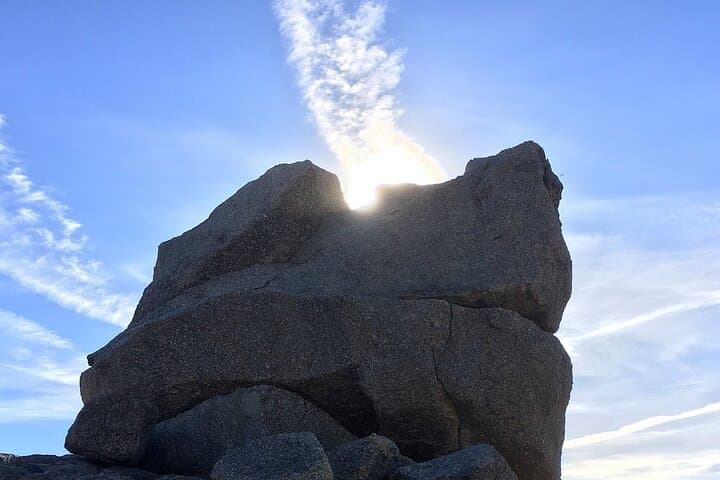
This stretch of Arizona sits on land shaped by intermittent rivers and ancient tectonics. Camp Creek Wash cuts steep-sided canyons through layered sedimentary beds, while basalt and granite outcrops speak to episodes of volcanism and uplift. Indigenous people, including Hohokam ancestors, moved seasonally through these valleys; later, ranching and trail-building left visible traces in fence lines and old corrals.
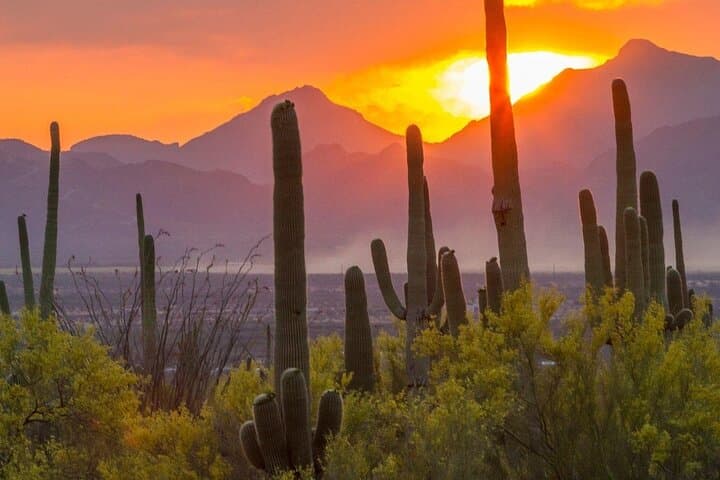
Culturally the tour blends storytelling with geology—expect practical explanations about erosion, water in the desert, and local ranching history rather than romantic clichés. Wildlife sightings commonly include coyotes slipping between creosote and the occasional roadrunner, with desert plants like saguaro and palo verde staging the foreground.
Practical guidance: the run is 3–4 hours with mostly gentle vehicle access; minimal walking is required but surfaces are uneven at overlooks. Bring layers—desert evenings cool quickly—plus sun protection and a camera with a fast lens for low-light shots. Hydrate before you board; vehicles supply bottled water but bring extra electrolytes in summer. Plan pickup from central or north Scottsdale; the timing is built around sunset so arrivals can be tight. Leave no trace: stay on vehicle lanes and pack out trash to protect fragile desert soils and vegetation.
easy.
3–4 hours.
Minimal fitness required; able to climb in/out of a 4x4 and stand briefly at overlooks
Yes—pick-up and drop-off are included within central and north Scottsdale and Paradise Valley; the start location is flexible by arrangement.
The tour is listed as suitable for all fitness levels; children and seniors should be able to safely step into the Jeep and tolerate a few bumpy sections.
Basic snacks are fine but alcohol is typically not permitted on shared tours—check with the operator if you booked a private vehicle.
Tours operate year-round; in the event of severe weather the operator will notify booked guests and offer rescheduling or cancellation per policy.
This corridor was used seasonally by Indigenous groups and later by ranchers; the modern trail follows historical routes and long-distance corridor planning.
Desert soils and cryptobiotic crusts are fragile—staying on vehicle routes and packing out waste helps prevent long-term damage to vegetation and habitat.
Wild West Jeep Tours operates guided outdoor trips and adventures with an emphasis on safety, stewardship, and memorable experiences.
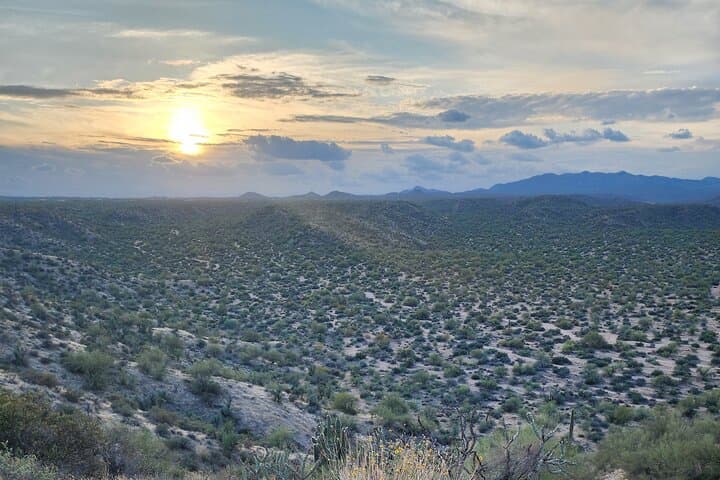
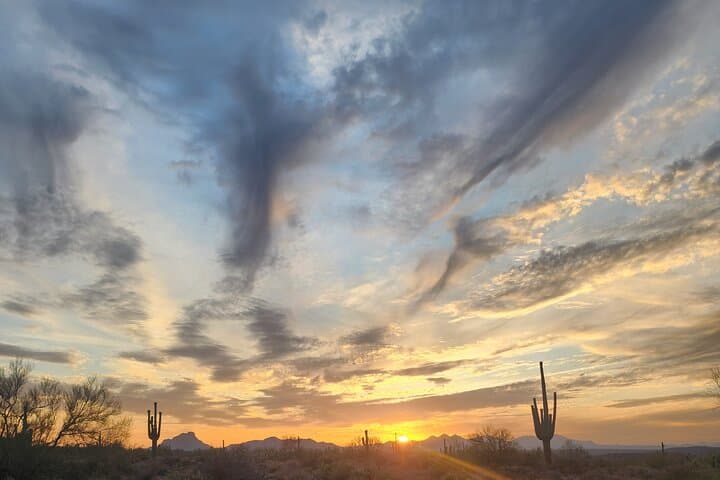
The jeep rocks over desert pavement and a dry wash, tires kicking up a faint plume of dust as the sun drops toward the McDowell ridgeline. Guides—introduced as Cowboy and Cowgirl—thread the Great Western Trail’s high bench above the Rio Verde, pausing where the canyon narrows so the light can find every crevice in the rock. Conversation falls away; the sky takes over.
The jeep rocks over desert pavement and a dry wash, tires kicking up a faint plume of dust as the sun drops toward the McDowell ridgeline. Guides—introduced as Cowboy and Cowgirl—thread the Great Western Trail’s high bench above the Rio Verde, pausing where the canyon narrows so the light can find every crevice in the rock. Conversation falls away; the sky takes over.
This stretch of Arizona sits on land shaped by intermittent rivers and ancient tectonics. Camp Creek Wash cuts steep-sided canyons through layered sedimentary beds, while basalt and granite outcrops speak to episodes of volcanism and uplift. Indigenous people, including Hohokam ancestors, moved seasonally through these valleys; later, ranching and trail-building left visible traces in fence lines and old corrals.
Culturally the tour blends storytelling with geology—expect practical explanations about erosion, water in the desert, and local ranching history rather than romantic clichés. Wildlife sightings commonly include coyotes slipping between creosote and the occasional roadrunner, with desert plants like saguaro and palo verde staging the foreground.
Practical guidance: the run is 3–4 hours with mostly gentle vehicle access; minimal walking is required but surfaces are uneven at overlooks. Bring layers—desert evenings cool quickly—plus sun protection and a camera with a fast lens for low-light shots. Hydrate before you board; vehicles supply bottled water but bring extra electrolytes in summer. Plan pickup from central or north Scottsdale; the timing is built around sunset so arrivals can be tight. Leave no trace: stay on vehicle lanes and pack out trash to protect fragile desert soils and vegetation.