THE ADVENTURE COLLECTIVE® · Independent discovery and booking for outdoor travel

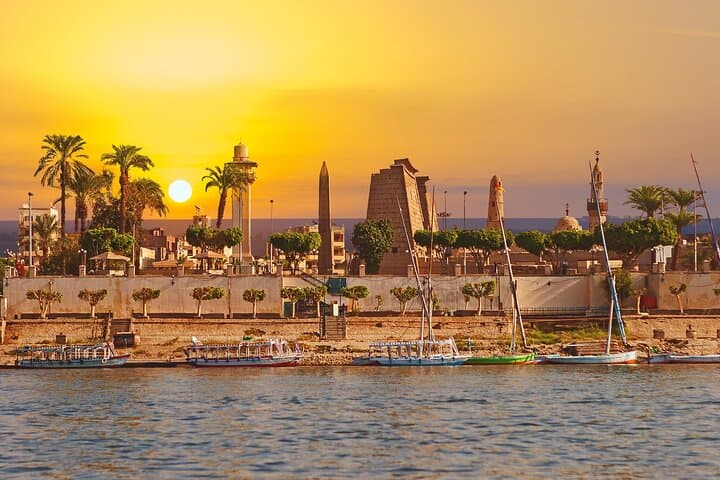
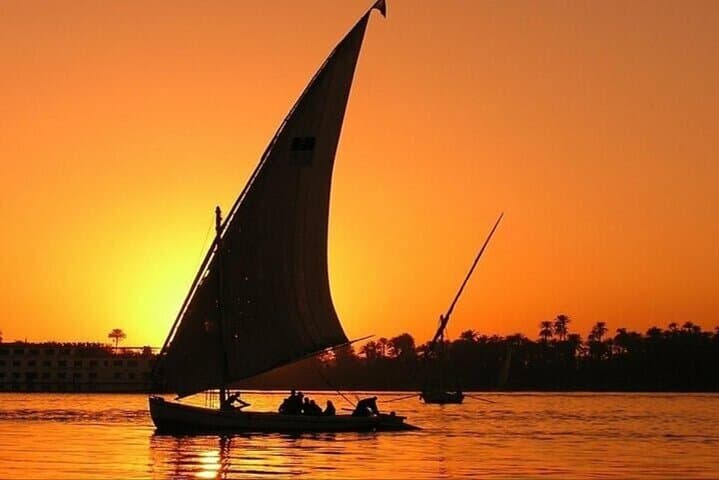
Explore Karnak’s columned halls and Luxor’s riverfront temple, then slide onto a traditional felucca as the Nile swallows the sun. This half‑day private tour pairs archaeological storytelling with a calm sunset sail.
Explore Karnak’s columned halls and Luxor’s riverfront temple, then slide onto a traditional felucca as the Nile swallows the sun. This half‑day private tour pairs archaeological storytelling with a calm sunset sail.
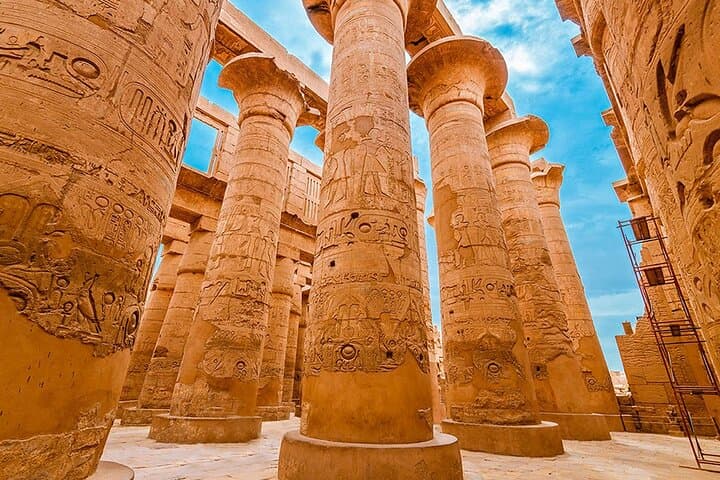
You step out of the air‑conditioned transfer into a wash of late afternoon light, the Nile pulling the sun toward the horizon. Columns at Karnak throw long shadows; the wind teases the felucca’s sail across the river before you board.
Verified experiences and guided adventures in the surrounding area.
Operated by Luxor Private Day Tours · Luxor, Luxor Governorate
You step out of the air‑conditioned transfer into a wash of late afternoon light, the Nile pulling the sun toward the horizon. Columns at Karnak throw long shadows; the wind teases the felucca’s sail across the river before you board.
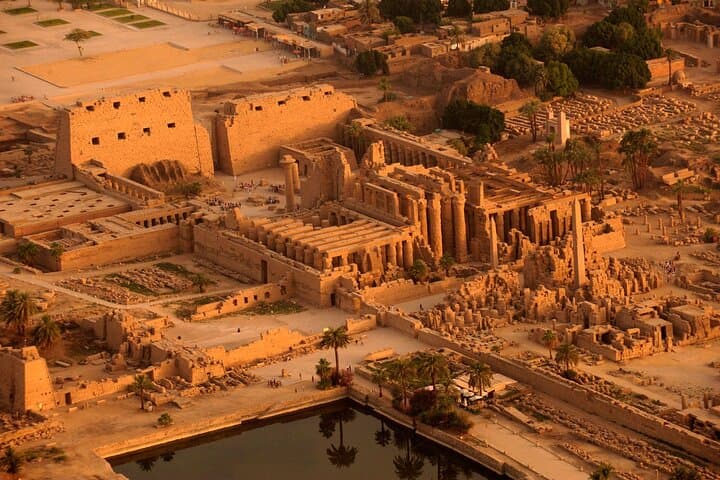
Karnak and Luxor are chapters of Thebes written in stone. Karnak’s forest of papyrus‑topped columns and the Sacred Lake speak to a cult of Amun that dominated Middle and New Kingdom religion, while Luxor Temple—closer to the river—served royal ritual and the annual Opet procession. The river plain here is young geologically, filled in by Nile alluvium that made agriculture and monumental stonework possible, flanked by the limestone ridges of the desert to the west.
Expect flat, mostly paved walking between sites—roughly 2–3 km total on foot with negligible elevation gain—plus standing and photography time inside halls and open courts. The felucca glide offers the best photographic angle on illuminated temple façades and the slow, tactile rhythm of the Nile; the boat becomes your vantage and lullaby.
Practical notes: temples typically require separate entrance tickets and modest dress (shoulders and knees covered). Bring a hat, sunscreen, and water even for an evening tour—the desert can still be hot and dry. Cameras are welcome but be mindful of restricted areas and museum signage. The timing here matters: arrive early enough at Karnak to see the columns in shifting sun, then move toward Luxor so the felucca launch meets sunset.
This itinerary pairs cultural depth with low‑effort outdoor time—ideal for travelers who want history framed by the river rather than a strenuous hike.
easy.
4–6 hours.
Minimal fitness required—comfortable walking and standing for up to a few hours; suitable for most travelers
No—standard tickets for the temple complexes are generally not included; your operator will advise and can often arrange tickets for an extra fee.
Yes—traditional feluccas are commonly used for evening rides; the operator monitors river and wind conditions and will substitute a motorboat if safety is a concern.
Temples require modest dress—cover shoulders and knees. Lightweight long sleeves or a scarf are practical and respectful.
Yes—the tour is rated easy with vehicle transfers and limited walking; inform the operator of any mobility needs so they can accommodate you.
Karnak grew over 1,500 years as successive pharaohs added pylons, columns and chapels; Luxor Temple was closely tied to royal ritual and the annual Opet festival linking pharaoh and god.
The sites face pressure from urban expansion and high visitor numbers; follow signage, avoid touching reliefs, and use licensed guides to support responsible tourism.
Luxor Private Day Tours operates guided outdoor trips and adventures with an emphasis on safety, stewardship, and memorable experiences.
You step out of the air‑conditioned transfer into a wash of late afternoon light, the Nile pulling the sun toward the horizon. Columns at Karnak throw long shadows; the wind teases the felucca’s sail across the river before you board.
You step out of the air‑conditioned transfer into a wash of late afternoon light, the Nile pulling the sun toward the horizon. Columns at Karnak throw long shadows; the wind teases the felucca’s sail across the river before you board.
Karnak and Luxor are chapters of Thebes written in stone. Karnak’s forest of papyrus‑topped columns and the Sacred Lake speak to a cult of Amun that dominated Middle and New Kingdom religion, while Luxor Temple—closer to the river—served royal ritual and the annual Opet procession. The river plain here is young geologically, filled in by Nile alluvium that made agriculture and monumental stonework possible, flanked by the limestone ridges of the desert to the west.
Expect flat, mostly paved walking between sites—roughly 2–3 km total on foot with negligible elevation gain—plus standing and photography time inside halls and open courts. The felucca glide offers the best photographic angle on illuminated temple façades and the slow, tactile rhythm of the Nile; the boat becomes your vantage and lullaby.
Practical notes: temples typically require separate entrance tickets and modest dress (shoulders and knees covered). Bring a hat, sunscreen, and water even for an evening tour—the desert can still be hot and dry. Cameras are welcome but be mindful of restricted areas and museum signage. The timing here matters: arrive early enough at Karnak to see the columns in shifting sun, then move toward Luxor so the felucca launch meets sunset.
This itinerary pairs cultural depth with low‑effort outdoor time—ideal for travelers who want history framed by the river rather than a strenuous hike.