THE ADVENTURE COLLECTIVE® · Independent discovery and booking for outdoor travel

Spend a private afternoon at Karnak, drift a felucca on the Nile at sunset and finish under the lamps of Luxor Temple. This four-hour trip pairs deep history with a calm river sail for memorable photos and a relaxed pace.
Spend a private afternoon at Karnak, drift a felucca on the Nile at sunset and finish under the lamps of Luxor Temple. This four-hour trip pairs deep history with a calm river sail for memorable photos and a relaxed pace.
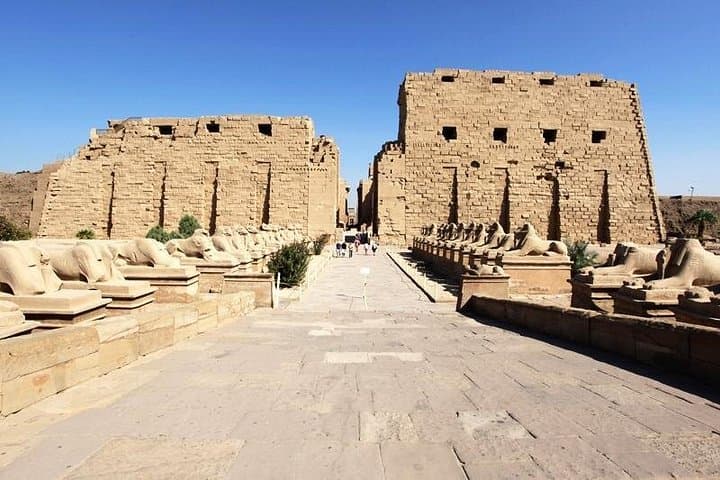
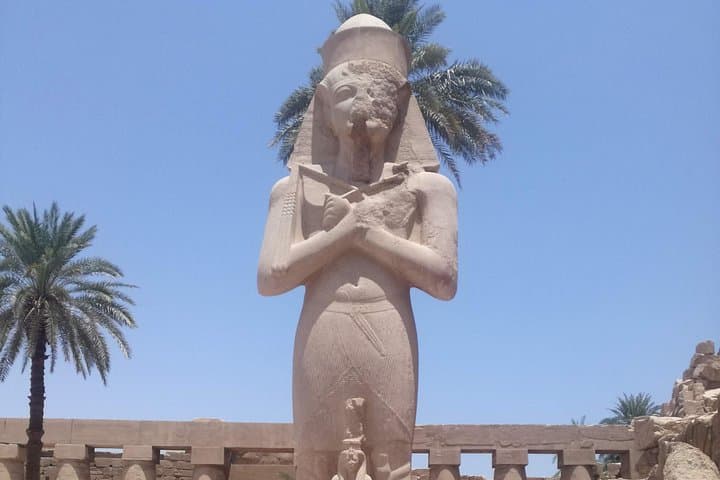
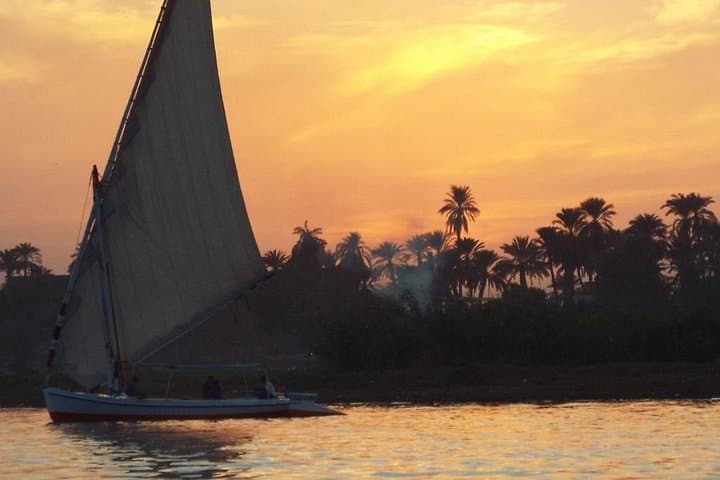
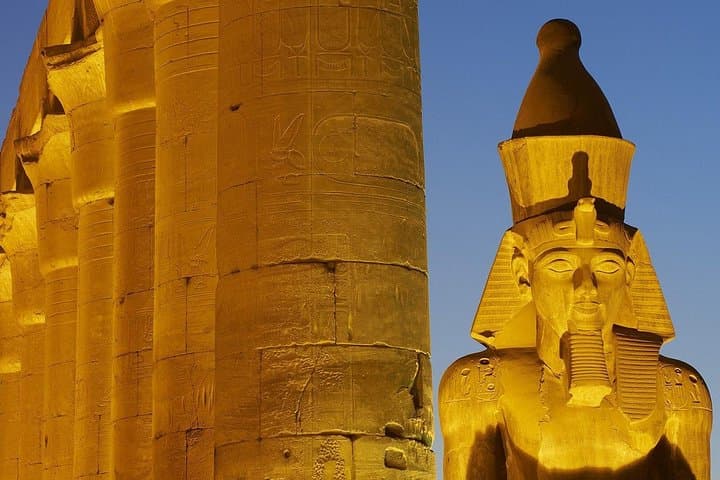
Evening light pools between ancient columns as the tour begins at Karnak, where stone giants crowd a wide open court and the air smells faintly of dust and hibiscus. Visitors move from shadowed Hypostyle Hall to sunlit obelisks while a guide traces the steps of pharaohs; later, a wooden felucca slips off the bank and the Nile dares the wind to change course as the sun falls behind palm-lined shores. Night brings Luxor Temple alive with warm illumination and carved faces that read differently under lamps.
Verified experiences and guided adventures in the surrounding area.
Operated by Egypt Customized Tours · Luxor, Luxor Governorate
Evening light pools between ancient columns as the tour begins at Karnak, where stone giants crowd a wide open court and the air smells faintly of dust and hibiscus. Visitors move from shadowed Hypostyle Hall to sunlit obelisks while a guide traces the steps of pharaohs; later, a wooden felucca slips off the bank and the Nile dares the wind to change course as the sun falls behind palm-lined shores. Night brings Luxor Temple alive with warm illumination and carved faces that read differently under lamps.
Karnak grew over 1,500 years as successive rulers added pylons, columns and chapels; its core worshipped Amun-Ra. Luxor Temple, built largely by Amenhotep III and Ramesses II, served ritual processions connecting both sites via the ancient Avenue of Sphinxes. The river here is both geological artery and cultural stage — alluvium from annual floods once nourished the fields that supported temple economies.
Practical guidance: the full private experience runs about four hours and includes private transport, an Egyptologist guide and a one-hour felucca sail. Expect uneven stone surfaces and some short walks; comfortable shoes and sun protection matter. Bring local currency for entrance fees and a small tip for your crew. Best photos come during the golden hour from the felucca and after dusk at Luxor Temple when lighting reveals relief details. Respect signage and barriers — the sites are fragile and active conservation projects. Hydrate, plan for heat in summer, and allow extra time for traffic along the Nile corniche.
easy.
4 hours.
Suitable for most fitness levels; requires short walks on uneven stone and boarding a low-sided sailboat.
According to the itinerary, the felucca sail is included but admissions to Karnak and Luxor Temple are typically paid on arrival; bring local currency for tickets.
The operator lists wheelchair-accessible transportation and surfaces, but some temple areas have steps and uneven ground—check specific accessibility needs when booking.
This is a private tour; the group is limited to your party for a personalized experience.
An Egyptologist guide is provided; confirm your preferred language at booking to ensure availability.
Karnak evolved as a religious compound over centuries as pharaohs from the Middle and New Kingdoms added pylons and statues; Luxor Temple was central to the Opet festival procession.
Both temple complexes are active conservation sites; visitors should follow marked paths, avoid touching reliefs and minimize plastic waste to reduce preservation impacts.
Egypt Customized Tours operates guided outdoor trips and adventures with an emphasis on safety, stewardship, and memorable experiences.
Evening light pools between ancient columns as the tour begins at Karnak, where stone giants crowd a wide open court and the air smells faintly of dust and hibiscus. Visitors move from shadowed Hypostyle Hall to sunlit obelisks while a guide traces the steps of pharaohs; later, a wooden felucca slips off the bank and the Nile dares the wind to change course as the sun falls behind palm-lined shores. Night brings Luxor Temple alive with warm illumination and carved faces that read differently under lamps.
Evening light pools between ancient columns as the tour begins at Karnak, where stone giants crowd a wide open court and the air smells faintly of dust and hibiscus. Visitors move from shadowed Hypostyle Hall to sunlit obelisks while a guide traces the steps of pharaohs; later, a wooden felucca slips off the bank and the Nile dares the wind to change course as the sun falls behind palm-lined shores. Night brings Luxor Temple alive with warm illumination and carved faces that read differently under lamps.
Karnak grew over 1,500 years as successive rulers added pylons, columns and chapels; its core worshipped Amun-Ra. Luxor Temple, built largely by Amenhotep III and Ramesses II, served ritual processions connecting both sites via the ancient Avenue of Sphinxes. The river here is both geological artery and cultural stage — alluvium from annual floods once nourished the fields that supported temple economies.
Practical guidance: the full private experience runs about four hours and includes private transport, an Egyptologist guide and a one-hour felucca sail. Expect uneven stone surfaces and some short walks; comfortable shoes and sun protection matter. Bring local currency for entrance fees and a small tip for your crew. Best photos come during the golden hour from the felucca and after dusk at Luxor Temple when lighting reveals relief details. Respect signage and barriers — the sites are fragile and active conservation projects. Hydrate, plan for heat in summer, and allow extra time for traffic along the Nile corniche.