THE ADVENTURE COLLECTIVE® · Independent discovery and booking for outdoor travel

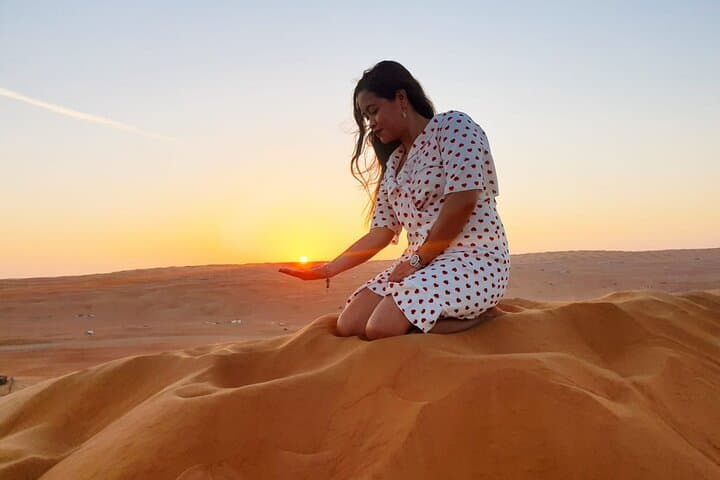
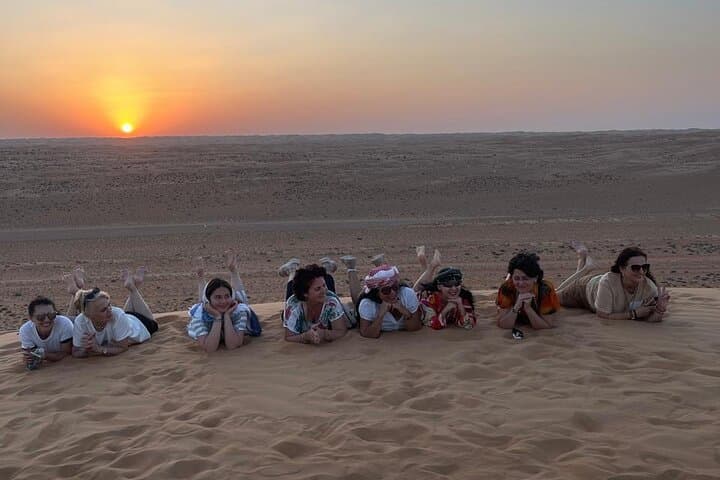
A private, full-day 4x4 across Oman’s most dramatic contrasts: swim in the cool pools of Wadi Bani Khalid, then ride camels and watch sunset from the razor edges of Wahiba (Sharqiya) Sands. Practical, cultural, and ideal for photographers.
A private, full-day 4x4 across Oman’s most dramatic contrasts: swim in the cool pools of Wadi Bani Khalid, then ride camels and watch sunset from the razor edges of Wahiba (Sharqiya) Sands. Practical, cultural, and ideal for photographers.
You leave Muscat while the morning light chisels the rocky shoulders of the Hajar Mountains, the road rolling toward a green ribbon—the pools of Wadi Bani Khalid. Stones press cool to the touch, water dares you into clear, spring-fed basins; palms lean in as if to listen. A short walk takes you into narrow canyon mouths and hidden swim pockets where the canyon walls hold heat and shadow in equal measure.
Verified experiences and guided adventures in the surrounding area.
Operated by Oman Wahiba Sands Desert Tours · Muscat, Muscat Governorate
You leave Muscat while the morning light chisels the rocky shoulders of the Hajar Mountains, the road rolling toward a green ribbon—the pools of Wadi Bani Khalid. Stones press cool to the touch, water dares you into clear, spring-fed basins; palms lean in as if to listen. A short walk takes you into narrow canyon mouths and hidden swim pockets where the canyon walls hold heat and shadow in equal measure.
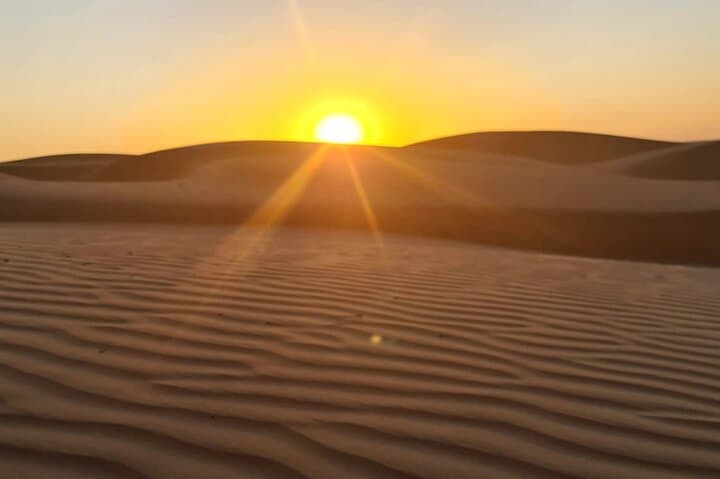
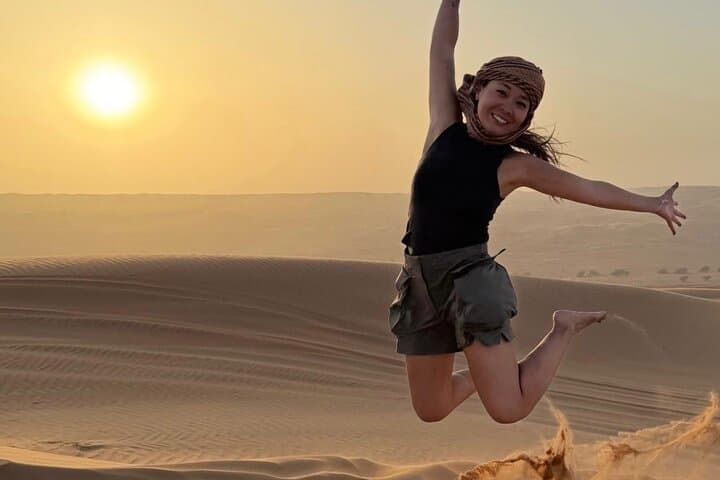
Wadi Bani Khalid is carved from soft limestone and supplied by perennial springs that have supported settlements and falaj irrigation for centuries. Later, the landscape opens into the Sharqiya (Wahiba) Sands: an ocean of wind-shaped dunes that shifts color with each hour. Bedouin families have traversed these dunes for generations; hospitality—coffee, dates, a chance to try traditional dress—remains central to the visit.
Practically: this private, full-day 4x4 itinerary runs about eight hours, combining a 90–120 minute drive to the wadi, time to swim or explore small caves, then a drive into the dunes for camel riding and sunset watching. Wear sturdy sandals or light hiking shoes for rocky approaches and closed shoes for dune driving. Bring swimwear, plenty of water, sun protection, and a towel. Temperatures can swing widely—plan for hot sun and cooler evenings after the sun sets. The route is family-friendly but not advised for travelers with serious back or heart conditions, and guides usually provide pick-up and drop-off in Muscat.
Expect vivid contrasts—the hush of freshwater pools, then wind working its slow magic across golden crests—and practical comforts supplied by an experienced local guide who reads both road and dune.
moderate.
8 hours.
Moderately fit: able to walk short uneven trails, climb small rocky sections, and tolerate a few hours of standing or light hiking.
Expect approximately 1.5–2 hours depending on traffic and exact pickup location in Muscat.
Yes, many families swim at the main pools, but supervise closely—rocky edges and varying depths require attention.
Camel rides are typically included as a short experience (10–20 minutes) to the dune edge for photos and sunset views.
Yes—guides and hosts are accustomed to requests; inform the operator at booking so they can prepare appropriate refreshments and private spaces if needed.
The wadi and surrounding plains supported settled agriculture with falaj (traditional irrigation channels), while the sands were traversed by Bedouin caravan routes—both shaped local hospitality and routes still used today.
Dune vegetation and spring-fed pools are fragile—stay on marked tracks, avoid disturbing wildlife, and take all litter with you to protect these scarce resources.
Oman Wahiba Sands Desert Tours operates guided outdoor trips and adventures with an emphasis on safety, stewardship, and memorable experiences.
You leave Muscat while the morning light chisels the rocky shoulders of the Hajar Mountains, the road rolling toward a green ribbon—the pools of Wadi Bani Khalid. Stones press cool to the touch, water dares you into clear, spring-fed basins; palms lean in as if to listen. A short walk takes you into narrow canyon mouths and hidden swim pockets where the canyon walls hold heat and shadow in equal measure.
You leave Muscat while the morning light chisels the rocky shoulders of the Hajar Mountains, the road rolling toward a green ribbon—the pools of Wadi Bani Khalid. Stones press cool to the touch, water dares you into clear, spring-fed basins; palms lean in as if to listen. A short walk takes you into narrow canyon mouths and hidden swim pockets where the canyon walls hold heat and shadow in equal measure.
Wadi Bani Khalid is carved from soft limestone and supplied by perennial springs that have supported settlements and falaj irrigation for centuries. Later, the landscape opens into the Sharqiya (Wahiba) Sands: an ocean of wind-shaped dunes that shifts color with each hour. Bedouin families have traversed these dunes for generations; hospitality—coffee, dates, a chance to try traditional dress—remains central to the visit.
Practically: this private, full-day 4x4 itinerary runs about eight hours, combining a 90–120 minute drive to the wadi, time to swim or explore small caves, then a drive into the dunes for camel riding and sunset watching. Wear sturdy sandals or light hiking shoes for rocky approaches and closed shoes for dune driving. Bring swimwear, plenty of water, sun protection, and a towel. Temperatures can swing widely—plan for hot sun and cooler evenings after the sun sets. The route is family-friendly but not advised for travelers with serious back or heart conditions, and guides usually provide pick-up and drop-off in Muscat.
Expect vivid contrasts—the hush of freshwater pools, then wind working its slow magic across golden crests—and practical comforts supplied by an experienced local guide who reads both road and dune.