THE ADVENTURE COLLECTIVE® · Independent discovery and booking for outdoor travel

Board a quiet, hybrid-powered boat for a 2.5-hour sunset cruise off Gran Canaria’s southern coast. Small groups, an onboard biologist, and sustainable practices make for intimate dolphin and pilot whale encounters.
Board a quiet, hybrid-powered boat for a 2.5-hour sunset cruise off Gran Canaria’s southern coast. Small groups, an onboard biologist, and sustainable practices make for intimate dolphin and pilot whale encounters.
The sun leans low over Gran Canaria’s southern rim, turning the Atlantic into a flat sheet of copper as a quiet Rodman 1100 slips from the marina. Onboard a small, hybrid-powered vessel, the world narrows to the hush of electric engines and the sudden spray as dolphins appear — arcs of motion that seem to study you as much as you study them.
Verified experiences and guided adventures in the surrounding area.
Operated by WeWhale · Puerto de Mogán, Las Palmas
The sun leans low over Gran Canaria’s southern rim, turning the Atlantic into a flat sheet of copper as a quiet Rodman 1100 slips from the marina. Onboard a small, hybrid-powered vessel, the world narrows to the hush of electric engines and the sudden spray as dolphins appear — arcs of motion that seem to study you as much as you study them.
Gran Canaria’s southern coast is volcanic rock smoothed by wind and wave; sand blown from ancient dunes now forms the long beaches of Maspalomas. The islands’ human story threads from the Guanche inhabitants to centuries of fishing and maritime trade, and today local crews blend that seafaring knowledge with modern conservation awareness.
Expect to search visually for bottlenose, common and spotted dolphins, and, occasionally, short-finned pilot whales. A resident biologist will explain behavior, population concerns and how quieter hybrid propulsion reduces disturbance — a practical application of conservation at sea.
Practically: tours run about 2.5 hours at sunset, limited to eight guests for easy viewing and low impact. Bring layered windproof clothing, a camera with a fast shutter, and seasickness remedies if you’re sensitive; the ocean can change mood with little warning. Drinks and light snacks are provided, but water and personal layers are yours to carry.
For photographers and quiet observers alike, this is a measured encounter — intimate, low-noise, and respectful of marine life. Time your visit for calmer evenings and allow the crew’s expertise to steer both the boat and the experience.
easy.
2–3 hours.
Suitable for most fitness levels; must be able to step on/off a small boat and stand for portions of the tour.
No—dolphins and whales are wild and sightings cannot be guaranteed; the small-group format and quiet hybrid propulsion improve likelihood, but weather and animal movements are factors.
Yes—small groups accommodate families; infant seats are available and strollers can be used for embarkation, but check with the operator for age-specific policies.
Tours may be canceled for safety; the operator typically offers a full refund if canceled at least 24 hours before departure or for poor conditions.
The boat has limited accessibility; some guests with reduced mobility may require assistance boarding—contact the operator in advance to confirm accommodations.
Gran Canaria formed from volcanic eruptions millions of years ago and was once inhabited by the Guanche people; fishing and maritime trades shaped coastal communities for centuries.
The operator uses hybrid electric propulsion and a resident biologist to minimize disturbance; guests are encouraged to avoid feeding or attempting to touch wildlife, and crew report pollution sightings to local authorities.
WeWhale operates guided outdoor trips and adventures with an emphasis on safety, stewardship, and memorable experiences.


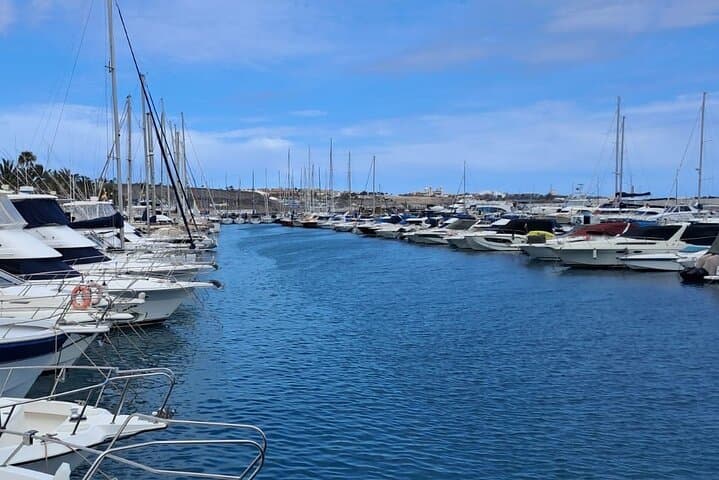
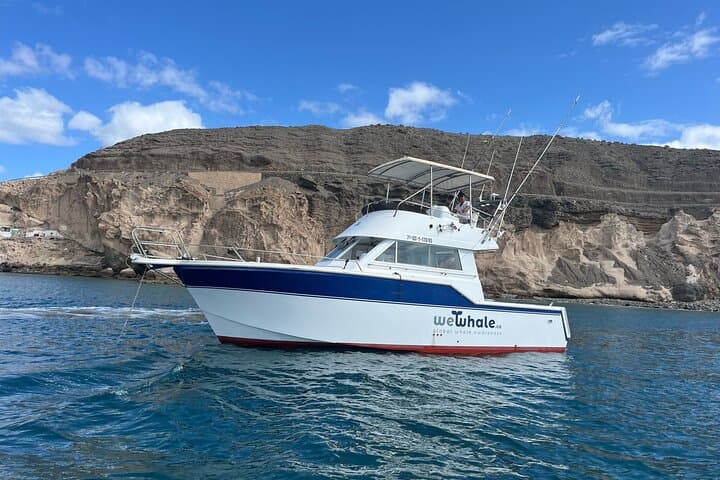
The sun leans low over Gran Canaria’s southern rim, turning the Atlantic into a flat sheet of copper as a quiet Rodman 1100 slips from the marina. Onboard a small, hybrid-powered vessel, the world narrows to the hush of electric engines and the sudden spray as dolphins appear — arcs of motion that seem to study you as much as you study them.
The sun leans low over Gran Canaria’s southern rim, turning the Atlantic into a flat sheet of copper as a quiet Rodman 1100 slips from the marina. Onboard a small, hybrid-powered vessel, the world narrows to the hush of electric engines and the sudden spray as dolphins appear — arcs of motion that seem to study you as much as you study them.
Gran Canaria’s southern coast is volcanic rock smoothed by wind and wave; sand blown from ancient dunes now forms the long beaches of Maspalomas. The islands’ human story threads from the Guanche inhabitants to centuries of fishing and maritime trade, and today local crews blend that seafaring knowledge with modern conservation awareness.
Expect to search visually for bottlenose, common and spotted dolphins, and, occasionally, short-finned pilot whales. A resident biologist will explain behavior, population concerns and how quieter hybrid propulsion reduces disturbance — a practical application of conservation at sea.
Practically: tours run about 2.5 hours at sunset, limited to eight guests for easy viewing and low impact. Bring layered windproof clothing, a camera with a fast shutter, and seasickness remedies if you’re sensitive; the ocean can change mood with little warning. Drinks and light snacks are provided, but water and personal layers are yours to carry.
For photographers and quiet observers alike, this is a measured encounter — intimate, low-noise, and respectful of marine life. Time your visit for calmer evenings and allow the crew’s expertise to steer both the boat and the experience.