THE ADVENTURE COLLECTIVE® · Independent discovery and booking for outdoor travel

Drive into the red dunes of Lehbab for an evening that pairs high-speed dune bashing with traditional Bedouin experiences—camel rides, falcon displays and a BBQ under the stars. Practical tips cover clothing, hydration, photo timing and motion-sickness prep.
Drive into the red dunes of Lehbab for an evening that pairs high-speed dune bashing with traditional Bedouin experiences—camel rides, falcon displays and a BBQ under the stars. Practical tips cover clothing, hydration, photo timing and motion-sickness prep.
Evening light slices the Lehbab dunes into sharp ridges as a 4x4 cuts a sinuous line across red sand.
The air tastes of dust and spice; wind pushes the cresting dunes like a slow, patient animal, and the horizon softens into a ribbon of orange.
Verified experiences and guided adventures in the surrounding area.
Operated by HFT Tourism LLC. ( High Fly Trip ) · Dubai, Dubai
Evening light slices the Lehbab dunes into sharp ridges as a 4x4 cuts a sinuous line across red sand.
The air tastes of dust and spice; wind pushes the cresting dunes like a slow, patient animal, and the horizon softens into a ribbon of orange.
These dunes are part of Dubai’s inland desert—young, wind‑shaped sand built from millennia of marine sediments and aeolian drift.
Bedouin routes crossed this landscape for generations; camels and falcons remain cultural touchstones, preserved in the falcon demonstrations offered at many camps.
Geologically, the red hue comes from iron oxide coatings on quartz grains, and the dunes shift daily, so tracks rarely look the same at dawn.
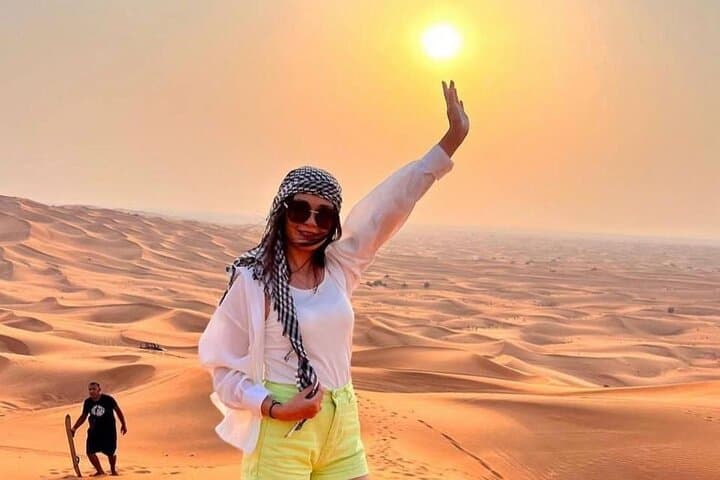
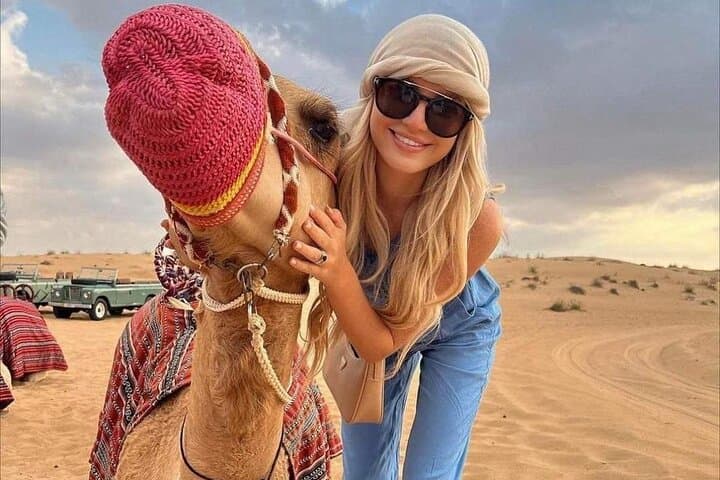
The experience mixes high-adrenaline dune bashing and quieter desert traditions: short camel rides, henna, and live entertainment after a barbecue dinner beneath a sky heavy with stars.
Drivers are trained in roll‑over recovery and sand driving; still, the desert demands respect—heat, soft sand, and sudden drops are part of the terrain.
Practical notes: tours run about six hours with hotel pickup; wear closed-toe shoes and light, breathable layers for the cool evening.
Bring sunscreen, sunglasses, and at least 1–2 liters of water per person.
If you suffer motion sickness, consider medication before dune bashing.
Photography is best during golden hour; keep cameras secured during 4x4 runs.
Book a small‑group departure to minimize noise and support operators that follow Leave No Trace measures to protect fragile dune habitats.
Arrive early at pickup to confirm details and any special requirements. Needed.
easy.
6 hours.
Suitable for most fitness levels; mostly vehicle-based activity with short walks and camel rides that require basic mobility.
Yes, hotel or selected location pickup and drop-off are included; confirm exact pickup time when you book.
Drivers are trained in sand driving and roll-over recovery; however, the activity involves rapid vehicle movement—follow guides’ instructions and wear provided seatbelts.
Children can join many safaris, but organizers may set age or height restrictions for dune bashing and require child seats if requested.
Light, breathable clothing during the day, closed-toe shoes, and a light layer for the cooler evening; avoid loose scarves during dune bashing.
The desert around Lehbab has long been traversed by Bedouin caravans; camels and falconry reflect centuries-old survival practices still showcased at camps.
Dune ecosystems are fragile—stay on designated tracks, avoid disturbing wildlife, and choose operators that manage waste and vehicle movement to limit erosion.
HFT Tourism LLC. ( High Fly Trip ) operates guided outdoor trips and adventures with an emphasis on safety, stewardship, and memorable experiences.
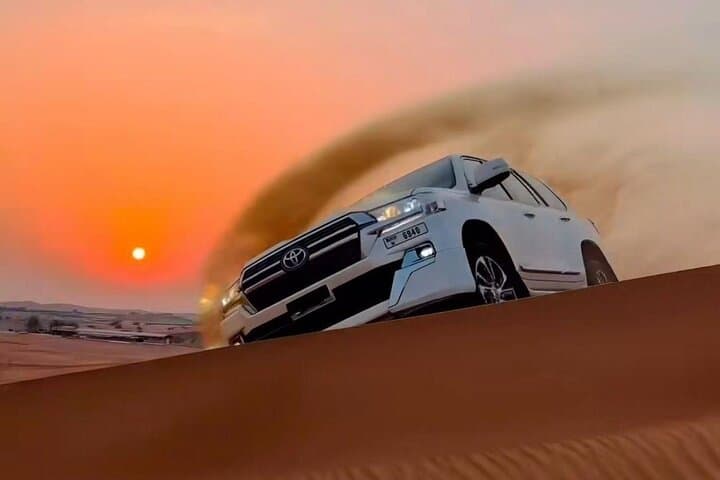

Evening light slices the Lehbab dunes into sharp ridges as a 4x4 cuts a sinuous line across red sand.
The air tastes of dust and spice; wind pushes the cresting dunes like a slow, patient animal, and the horizon softens into a ribbon of orange.
Evening light slices the Lehbab dunes into sharp ridges as a 4x4 cuts a sinuous line across red sand.
The air tastes of dust and spice; wind pushes the cresting dunes like a slow, patient animal, and the horizon softens into a ribbon of orange.
These dunes are part of Dubai’s inland desert—young, wind‑shaped sand built from millennia of marine sediments and aeolian drift.
Bedouin routes crossed this landscape for generations; camels and falcons remain cultural touchstones, preserved in the falcon demonstrations offered at many camps.
Geologically, the red hue comes from iron oxide coatings on quartz grains, and the dunes shift daily, so tracks rarely look the same at dawn.
The experience mixes high-adrenaline dune bashing and quieter desert traditions: short camel rides, henna, and live entertainment after a barbecue dinner beneath a sky heavy with stars.
Drivers are trained in roll‑over recovery and sand driving; still, the desert demands respect—heat, soft sand, and sudden drops are part of the terrain.
Practical notes: tours run about six hours with hotel pickup; wear closed-toe shoes and light, breathable layers for the cool evening.
Bring sunscreen, sunglasses, and at least 1–2 liters of water per person.
If you suffer motion sickness, consider medication before dune bashing.
Photography is best during golden hour; keep cameras secured during 4x4 runs.
Book a small‑group departure to minimize noise and support operators that follow Leave No Trace measures to protect fragile dune habitats.
Arrive early at pickup to confirm details and any special requirements. Needed.