THE ADVENTURE COLLECTIVE® · Independent discovery and booking for outdoor travel

Experience a late-afternoon drive from Jaisalmer to Kuldhara, a 13th-century abandoned village, then cross the nearby dunes to watch the desert sunset and enjoy a traditional Rajasthani camp program. This half-day tour blends easy walking, cultural performance, and panoramic photography opportunities.
Experience a late-afternoon drive from Jaisalmer to Kuldhara, a 13th-century abandoned village, then cross the nearby dunes to watch the desert sunset and enjoy a traditional Rajasthani camp program. This half-day tour blends easy walking, cultural performance, and panoramic photography opportunities.
You arrive in late afternoon light, the road from Jaisalmer thinning into a ribbon of sand and scrub. The vehicle eases toward Kuldhara, its silhouette of ruined walls and whispered stories appearing as the heat softens. From there the landscape opens—dunes rise and roll like an audience awaiting the sunset, the sand catching gold and then copper as the sun drops.
Verified experiences and guided adventures in the surrounding area.
Operated by Real Desert Man Camel Safari · Jaisalmer, Rajasthan
You arrive in late afternoon light, the road from Jaisalmer thinning into a ribbon of sand and scrub. The vehicle eases toward Kuldhara, its silhouette of ruined walls and whispered stories appearing as the heat softens. From there the landscape opens—dunes rise and roll like an audience awaiting the sunset, the sand catching gold and then copper as the sun drops.
Kuldhara itself is a 13th-century abandoned village with a reputation as much for its history as for its architecture: compact stone homes, narrow lanes and the story of communities that left overnight. Geologically, the Jaisalmer basin is part of the Thar Desert—wind-sculpted sands over older marine and aeolian sediments—so expect loose, shifting surfaces rather than packed trails.
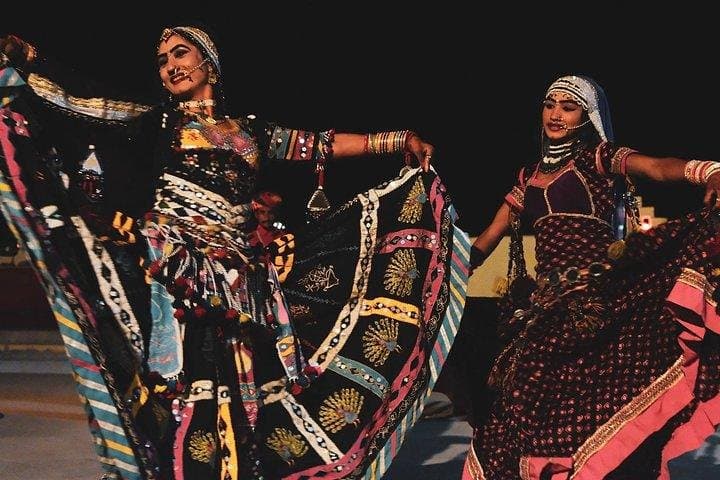
Culturally the evening shifts quickly; local hosts offer a traditional welcome—Tika and Aarti—then a camp program with Rajasthani music and dance framed by the desert horizon. The camp menu leans regional: chai, simple snacks and a buffet with dal, rotis and grilled vegetables and meats.
Practical guidance: plan for late-afternoon pickup and an 8-hour window including transport; wear sturdy closed shoes for walking on dunes, bring a wind layer for after sunset, and carry water and sunscreen. Photography is best during the golden hour and immediately after sunset. Respect the camp rules around fire and refuse; the desert is fragile and evening winds can carry litter for miles.
This tour is low-impact physically but high on sensory payoff—history, geology and live culture rolled into a single desert evening.
easy.
8 hours.
Suitable for most fitness levels; requires short walks on loose sand and the ability to ride in a vehicle for transfer
The listed duration is about 8 hours with pickup in the afternoon (typically around 2:00 PM) and return the same evening; exact pickup time will be confirmed when booking.
Yes—physically it's easy for most ages, but infants are required to sit on an adult’s lap and some activities like dune walking may be limited for very young children.
A buffet dinner, tea and snacks are included; inform the operator of dietary restrictions during booking so they can accommodate common needs.
The cancellation policy does not guarantee refunds for bad weather; operators typically monitor conditions and will advise if the tour must be rescheduled.
Kuldhara is known locally as an abandoned settlement dating back to the medieval period, associated with stories of mass departure by its original residents in the 13th century.
The Thar’s fragile dune ecology is sensitive to litter and off-track vehicles; choose operators who practice leave-no-trace and avoid excessive night lighting at camps.
Real Desert Man Camel Safari operates guided outdoor trips and adventures with an emphasis on safety, stewardship, and memorable experiences.
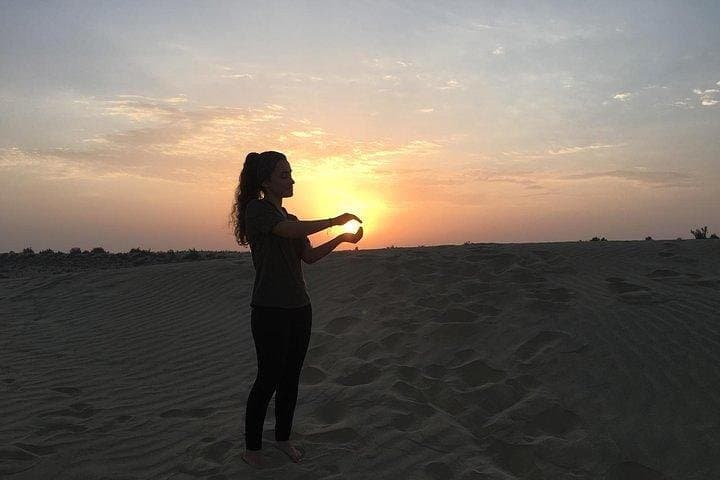
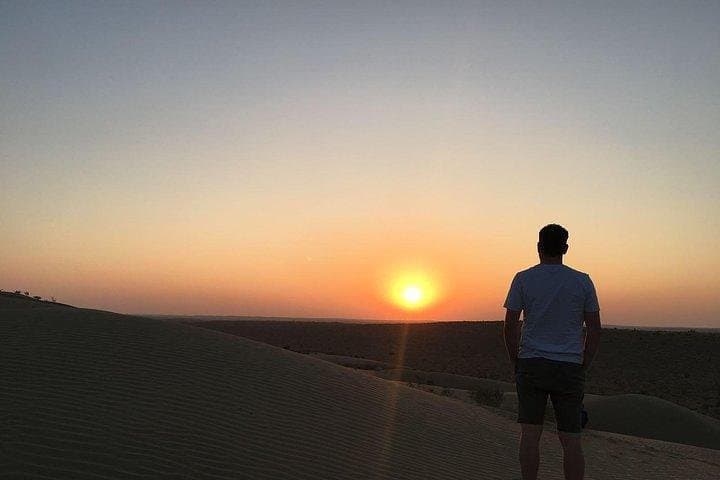
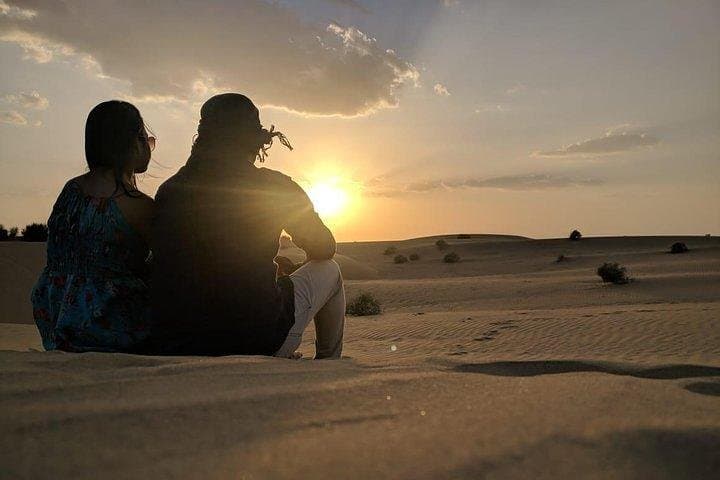
You arrive in late afternoon light, the road from Jaisalmer thinning into a ribbon of sand and scrub. The vehicle eases toward Kuldhara, its silhouette of ruined walls and whispered stories appearing as the heat softens. From there the landscape opens—dunes rise and roll like an audience awaiting the sunset, the sand catching gold and then copper as the sun drops.
You arrive in late afternoon light, the road from Jaisalmer thinning into a ribbon of sand and scrub. The vehicle eases toward Kuldhara, its silhouette of ruined walls and whispered stories appearing as the heat softens. From there the landscape opens—dunes rise and roll like an audience awaiting the sunset, the sand catching gold and then copper as the sun drops.
Kuldhara itself is a 13th-century abandoned village with a reputation as much for its history as for its architecture: compact stone homes, narrow lanes and the story of communities that left overnight. Geologically, the Jaisalmer basin is part of the Thar Desert—wind-sculpted sands over older marine and aeolian sediments—so expect loose, shifting surfaces rather than packed trails.
Culturally the evening shifts quickly; local hosts offer a traditional welcome—Tika and Aarti—then a camp program with Rajasthani music and dance framed by the desert horizon. The camp menu leans regional: chai, simple snacks and a buffet with dal, rotis and grilled vegetables and meats.
Practical guidance: plan for late-afternoon pickup and an 8-hour window including transport; wear sturdy closed shoes for walking on dunes, bring a wind layer for after sunset, and carry water and sunscreen. Photography is best during the golden hour and immediately after sunset. Respect the camp rules around fire and refuse; the desert is fragile and evening winds can carry litter for miles.
This tour is low-impact physically but high on sensory payoff—history, geology and live culture rolled into a single desert evening.