THE ADVENTURE COLLECTIVE® · Independent discovery and booking for outdoor travel

Float out from Siem Reap as the sun slides behind flooded forests and stilted houses. This short sunset cruise across Tonle Sap offers close-up wildlife, village life, and the slow drama of Cambodia’s great seasonal lake.
Float out from Siem Reap as the sun slides behind flooded forests and stilted houses. This short sunset cruise across Tonle Sap offers close-up wildlife, village life, and the slow drama of Cambodia’s great seasonal lake.
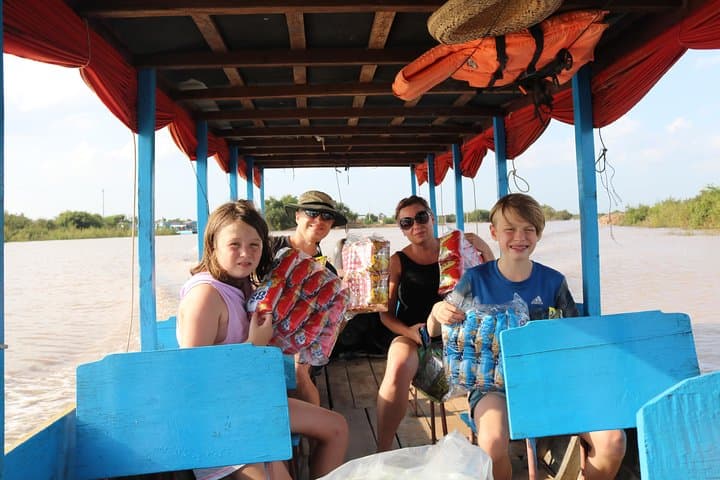
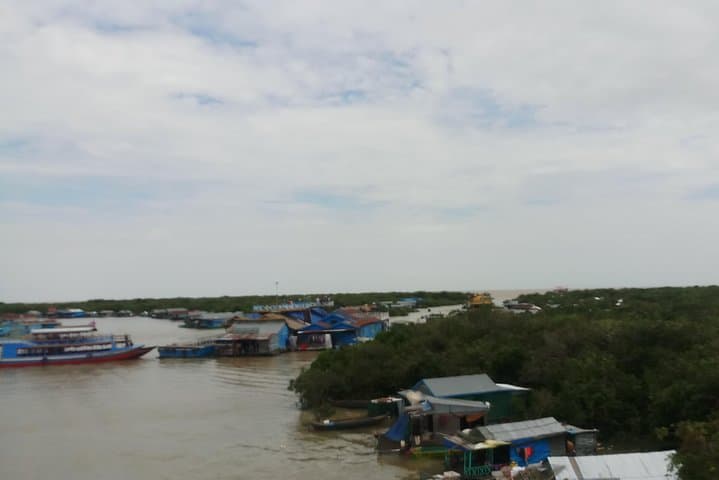
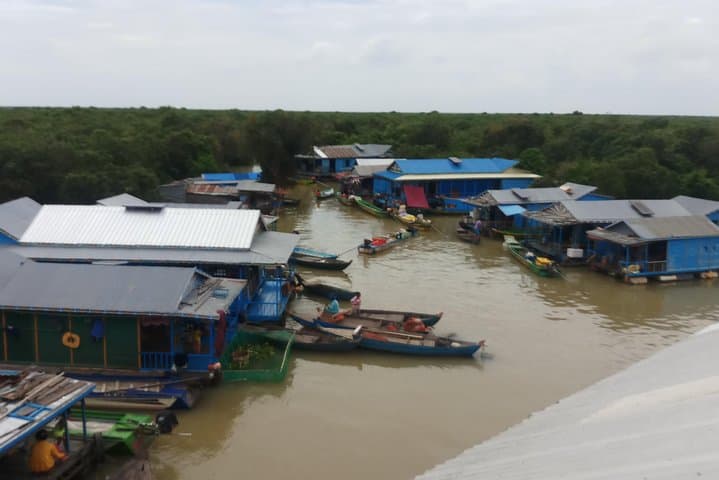
The boat slips away from Siem Reap as light thins and the lake begins to take on a slow, molten rhythm. Mangrove roots and bamboo stilt-houses pass by like chapters; fishermen skillfully tend nets while birds wheel low, daring you to follow.
Verified experiences and guided adventures in the surrounding area.
Operated by Siem Reap Angkor Travel and Tour · Siem Reap, Siem Reap Province
The boat slips away from Siem Reap as light thins and the lake begins to take on a slow, molten rhythm. Mangrove roots and bamboo stilt-houses pass by like chapters; fishermen skillfully tend nets while birds wheel low, daring you to follow.
Tonle Sap is a geological marvel — Southeast Asia’s largest freshwater lake that swells dramatically with the monsoon each year, reversing the Tonle Sap River and flooding a vast seasonally inundated plain. That annual pulse shaped Khmer settlement patterns and made the lake a lifeline for communities who live in floating villages and stilted houses, their days organized around tides and fish migrations.
Culture here reads plainly from the shoreline: children racing along boards, markets rearranging with the waterline, and homes that rise and fall with the season. Wildlife is intimate and visible — kingfishers launching like bright commas, herons stalking the shallows — and local knowledge is practical: where the best feeding flats are, and when the light will catch a fishing net just so.
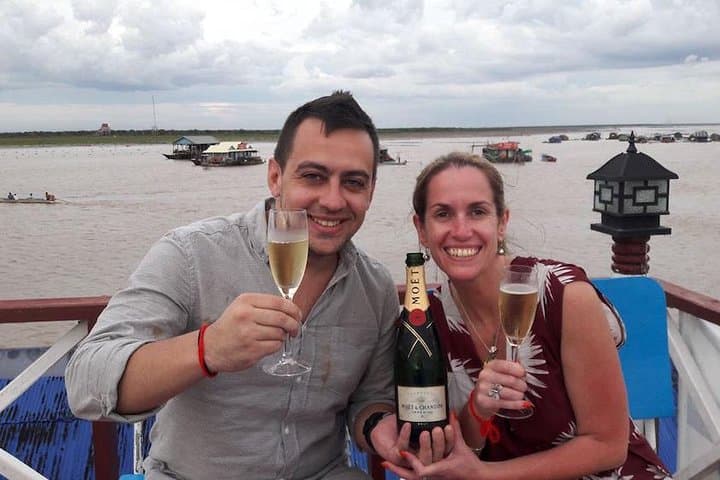
Practical guidance: tours typically run about 2–2.5 hours with hotel pickup by air-conditioned car; choose the champagne cruise add-on if you want a celebratory toast (one bottle of Moët & Chandon per two adults, drinking age 18+). Bring insect repellent, low-light camera gear, binoculars, and small bills for village purchases. Respect residents’ privacy, avoid pointing bright lights at homes, and plan around the dry season evenings (Nov–Feb) for clearer skies and calmer waters.
easy.
2–3 hours.
Minimal fitness required — accessible to most travelers who can board a small boat
Yes — this option is offered as a private tour with hotel pickup and drop-off by a conditioned private car.
The cruise add-on includes one bottle of Moët & Chandon per two adults (minimum drinking age 18) and a tropical fruit plate.
Yes; it’s rated easy and infants must sit on a lap—special infant seats are available on request.
Dry season evenings (roughly November through February) usually offer the clearest skies and calmer water for photography.
Tonle Sap’s seasonal expansion has supported human settlement and fisheries for millennia and was central to the food system of the Khmer empire.
The lake faces pressures from overfishing and development; responsible tours avoid disturbing fishing operations and encourage small purchases that support local families.
Siem Reap Angkor Travel and Tour operates guided outdoor trips and adventures with an emphasis on safety, stewardship, and memorable experiences.
The boat slips away from Siem Reap as light thins and the lake begins to take on a slow, molten rhythm. Mangrove roots and bamboo stilt-houses pass by like chapters; fishermen skillfully tend nets while birds wheel low, daring you to follow.
The boat slips away from Siem Reap as light thins and the lake begins to take on a slow, molten rhythm. Mangrove roots and bamboo stilt-houses pass by like chapters; fishermen skillfully tend nets while birds wheel low, daring you to follow.
Tonle Sap is a geological marvel — Southeast Asia’s largest freshwater lake that swells dramatically with the monsoon each year, reversing the Tonle Sap River and flooding a vast seasonally inundated plain. That annual pulse shaped Khmer settlement patterns and made the lake a lifeline for communities who live in floating villages and stilted houses, their days organized around tides and fish migrations.
Culture here reads plainly from the shoreline: children racing along boards, markets rearranging with the waterline, and homes that rise and fall with the season. Wildlife is intimate and visible — kingfishers launching like bright commas, herons stalking the shallows — and local knowledge is practical: where the best feeding flats are, and when the light will catch a fishing net just so.
Practical guidance: tours typically run about 2–2.5 hours with hotel pickup by air-conditioned car; choose the champagne cruise add-on if you want a celebratory toast (one bottle of Moët & Chandon per two adults, drinking age 18+). Bring insect repellent, low-light camera gear, binoculars, and small bills for village purchases. Respect residents’ privacy, avoid pointing bright lights at homes, and plan around the dry season evenings (Nov–Feb) for clearer skies and calmer waters.