THE ADVENTURE COLLECTIVE® · Independent discovery and booking for outdoor travel

Glide the Kwanza at dusk and watch riverside villages, hippos and exotic birds light up against a plunging sky. This eight‑hour sunset cruise from Luanda combines wildlife viewing with cultural stops and a gentle introduction to Angola’s largest river.
Glide the Kwanza at dusk and watch riverside villages, hippos and exotic birds light up against a plunging sky. This eight‑hour sunset cruise from Luanda combines wildlife viewing with cultural stops and a gentle introduction to Angola’s largest river.
The boat slips away from Luanda just as the city’s last light softens; the Kwanza opens before you, broad and slow, its banks a shifting theater of palms, grasses and riverside villages. Birds call from thickets, a hippo’s blow breaks the surface, and the sky begins its color show — orange folding into violet as the river dares the sun to keep up.
Verified experiences and guided adventures in the surrounding area.
Operated by Guilherme · Luanda, Luanda Province
The boat slips away from Luanda just as the city’s last light softens; the Kwanza opens before you, broad and slow, its banks a shifting theater of palms, grasses and riverside villages. Birds call from thickets, a hippo’s blow breaks the surface, and the sky begins its color show — orange folding into violet as the river dares the sun to keep up.
The Kwanza (Cuanza) is Angola’s largest river, carved through ancient geology that feeds coastal estuaries and supports long-standing riverside settlements. Centuries of history thread this waterway: colonial trading posts, mission chapels and the poignant National Museum of Slavery near Morro da Cruz remind visitors of the region’s complex past.
Geologically the estuary blends sandy spits and alluvial banks shaped by tidal pushes; culturally, communities still fish from wooden canoes and tend small riverside farms. Guides on evening cruises often point out traditional uses of the river and local birdlife while you watch villages slide by.
Practical side: a typical excursion runs about eight hours including transfers from Luanda, with bottled water, soft drinks and often alcoholic options on board. Expect calm waters, low light at dusk (bring a headlamp for return), and limited shore access — wildlife viewing happens from the boat. Dress in breathable layers for warm afternoons and cooler evenings, bring binoculars and insect repellent, and allow time afterward to reflect at the museum stop if included. The experience is low‑effort but rich in sensory detail — a slow, thoughtful way to meet Angola’s great river.
easy.
About 8 hours (including transfers).
Suitable for most fitness levels; minimal mobility required for boarding and short gangway steps
Most departures are arranged from Luanda with included transfers to the river boarding point; confirm pickup location when booking.
Yes — hippos and crocodiles are commonly observed along quieter sections of the Kwanza, typically from the safety of the boat at dusk.
Yes — the outing is low physical intensity; wheelchair-accessible transport is often available but check provider details beforehand.
A camera with a mid-range zoom, spare batteries and a microfiber cloth for mist and spray will cover most sunset photo needs.
The Kwanza estuary area is linked to Angola’s colonial and slave-trade history; sites near Luanda, including the National Museum of Slavery, document these events.
The estuary supports important bird and aquatic habitats; responsible tours limit disturbance, avoid feeding wildlife and follow local guidance to protect fragile shorelines.
Guilherme operates guided outdoor trips and adventures with an emphasis on safety, stewardship, and memorable experiences.
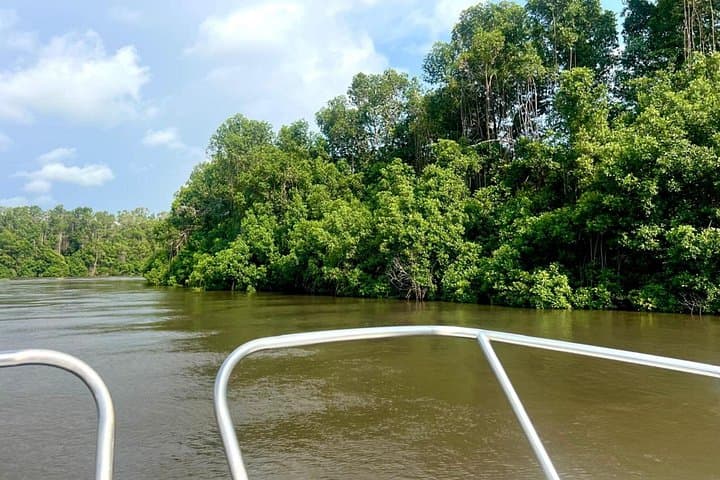
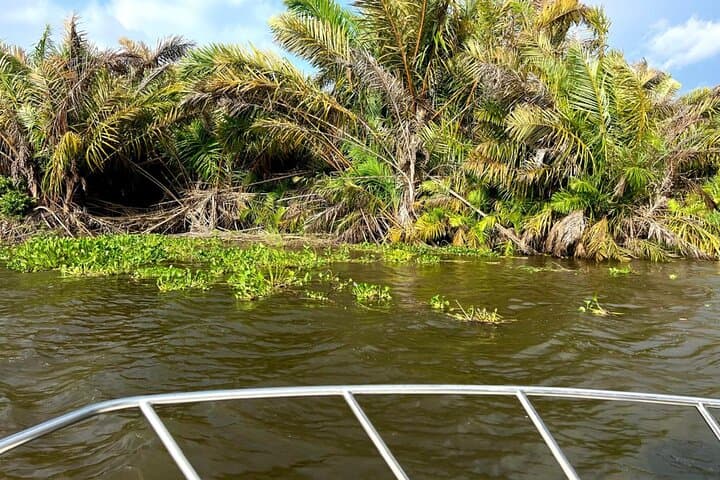
The boat slips away from Luanda just as the city’s last light softens; the Kwanza opens before you, broad and slow, its banks a shifting theater of palms, grasses and riverside villages. Birds call from thickets, a hippo’s blow breaks the surface, and the sky begins its color show — orange folding into violet as the river dares the sun to keep up.
The boat slips away from Luanda just as the city’s last light softens; the Kwanza opens before you, broad and slow, its banks a shifting theater of palms, grasses and riverside villages. Birds call from thickets, a hippo’s blow breaks the surface, and the sky begins its color show — orange folding into violet as the river dares the sun to keep up.
The Kwanza (Cuanza) is Angola’s largest river, carved through ancient geology that feeds coastal estuaries and supports long-standing riverside settlements. Centuries of history thread this waterway: colonial trading posts, mission chapels and the poignant National Museum of Slavery near Morro da Cruz remind visitors of the region’s complex past.
Geologically the estuary blends sandy spits and alluvial banks shaped by tidal pushes; culturally, communities still fish from wooden canoes and tend small riverside farms. Guides on evening cruises often point out traditional uses of the river and local birdlife while you watch villages slide by.
Practical side: a typical excursion runs about eight hours including transfers from Luanda, with bottled water, soft drinks and often alcoholic options on board. Expect calm waters, low light at dusk (bring a headlamp for return), and limited shore access — wildlife viewing happens from the boat. Dress in breathable layers for warm afternoons and cooler evenings, bring binoculars and insect repellent, and allow time afterward to reflect at the museum stop if included. The experience is low‑effort but rich in sensory detail — a slow, thoughtful way to meet Angola’s great river.